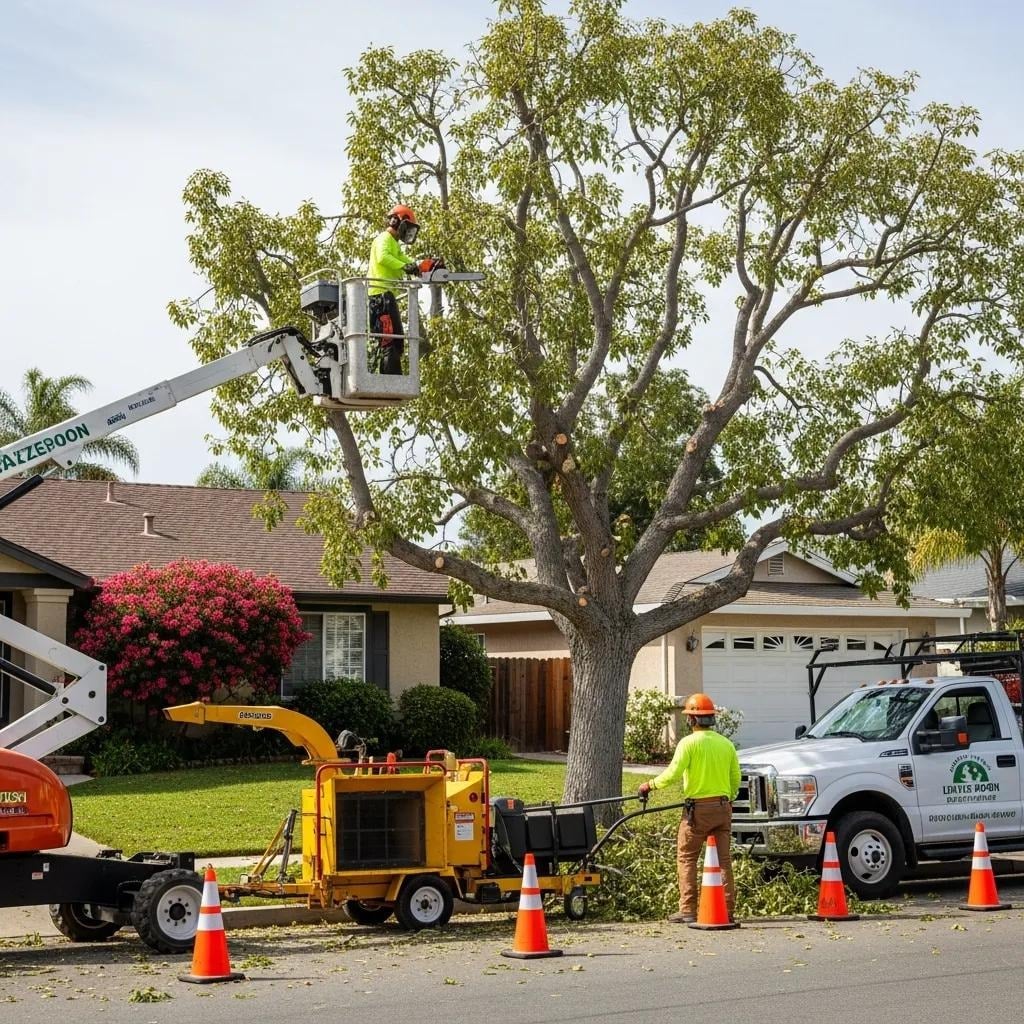
When Your Tree Needs a Pro: Spot Dying Tree Symptoms and Know When to Call an Arborist

Trees give us shade, curb appeal, and cleaner air — but like any living thing, they can show signs of stress or decline. This guide walks you through the common warning signs that a tree needs professional care, how to spot dying-tree symptoms, and when it’s time to call an arborist. Catching problems early can protect your trees, keep your property safe, and save you money on big fixes later. We’ll cover visual cues, structural issues, pests and diseases, and emergencies — plus how a free tree health assessment from Pedro’s Tree Service can help.

What Are the Most Common Signs of Unhealthy Trees?

Knowing what to look for makes it easier to protect your trees. Look for things like dead or dying limbs, leaves that are off-color or thin, and a general loss of vigor. Spotting these signs early gives you options beyond removal.

How to Recognize Dying Tree Symptoms Like Dead or Dying Branches

Dead or dying branches are often the easiest sign to notice. They can be brittle, leafless, or gray-looking compared with healthy branches. A few dead limbs may be manageable, but several can mean the tree is struggling and should be checked by a professional.

What Does Discolored or Sparse Foliage Indicate About Tree Health?

Leaves that are yellowing, browning at the edges, or thinning out can point to problems like nutrient shortages, drought stress, root damage, or disease. Regularly scanning your tree’s canopy for changes helps catch issues before they spread.

How to Identify Tree Structural Problems That Require Professional Attention

Structural faults put people and property at risk. Early recognition of trunk cracks, splits, and notable leaning can prevent dangerous failures and costly damage.

What Do Cracks and Splits in Tree Trunks Reveal About Tree Stability?

Cracks and splits often signal internal decay or weakened wood. Such defects reduce a tree’s ability to stand up to wind and storms. If you see major cracks, getting an arborist’s assessment is the safest next step.

When Is a Leaning Tree a Hazard Due to Root Damage or Soil Erosion?

A slight lean can be normal, but a new or growing lean — especially after heavy rain, nearby excavation, or visible root upheaval — can mean the roots aren’t holding. A professional can determine whether the lean is dangerous and recommend solutions.

How Can You Detect Tree Diseases and Pest Infestations Early?

Catching diseases and pests early is the best way to protect a tree. Watch for unusual growths, fungal patches, dieback, or visible insects — any of these can be a red flag.

What Are the Signs of Common Tree Diseases Affecting San Diego Trees?

Local trees can be affected by issues like root rot and powdery mildew. Symptoms include wilting, odd growths, or fungal patches on bark and leaves. Scheduling routine inspections helps identify and treat these problems before they worsen.

How to Spot Pest Infestations and Their Impact on Tree Health

Pests leave clear clues: chewed leaves, holes, webbing, sticky residue, or clusters of insects. Common offenders in our area include aphids, spider mites, and bark beetles. If you suspect an infestation, a professional diagnosis will point to the safest and most effective treatment.

Pest and pathogen outbreaks don’t just hurt single trees — they can affect neighborhood health, safety, and local budgets.

Impacts of Tree Pests & Pathogens on Urban Trees

We reviewed global studies to understand how insect pests and pathogens affect urban trees. After screening thousands of papers, 100 relevant studies from 28 countries (1979–2021) were organized into three main impact areas: (1) environmental — most studies reported tree damage, mortality, reduced growth, and altered tree function; (2) social — some studies described effects on aesthetics, human health, and safety concerns; and (3) economic — several studies discussed pest management costs and related economic losses.

Tree insect pests and pathogens: a global systematic review of their impacts in urban areas, S Raum, 2023

When Should You Call an Arborist for Professional Tree Maintenance?

Knowing when to reach out makes all the difference. Certain warning signs need a trained eye to evaluate risk and recommend safe, effective solutions. If in doubt, call a pro.

What Critical Tree Conditions Require Immediate Professional Assessment?

Call an arborist right away for major leaning, lots of dead limbs, large trunk damage, or quick-spreading disease. These issues can become emergencies and should be handled by someone with the right training and equipment.

These situations show why professional judgment and formal training matter when assessing tree risk.

Professional Expertise in Tree Risk Assessment

Professional judgment comes from experience, training, and careful observation. Research into tree risk assessment highlights how arboricultural training shapes decision-making and improves the accuracy of risk evaluations across related fields.

How Does a Certified Arborist Diagnose and Treat Tree Health Issues?

An arborist combines visual inspection with tools like soil tests and decay probes to find root causes. From targeted pruning and fertilization to pest control and soil work, they recommend treatments that restore health while protecting the rest of your landscape.

Arborists bring both broad experience and specific knowledge, which improves diagnosis and treatment outcomes.

Arborist’s Role in Diagnosing Tree Symptoms

A symptom signals a problem — but you need to know what “normal” looks like to recognize it. A municipal arborist who sees many trees in varied conditions can become an excellent diagnostician, though they must still understand tree diseases, injuries, and insect damage to make accurate judgments.

The diagnosis of urban tree disorders, 1980

What Emergency Tree Situations Demand Prompt Professional Services?

Some scenarios require fast action to protect people and property. Knowing what qualifies as an emergency helps you act quickly and safely.

How to Recognize Storm Damage and Hazardous Trees Needing Emergency Removal

After storms, look for broken limbs hanging in the canopy, split trunks, or trees that are partially uprooted. These are clear hazards — if you see them, don’t try to fix the situation yourself; call an emergency tree service.

What Are the Benefits of Quick Emergency Tree Services in El Cajon?

Fast, professional response can prevent further property damage and reduce safety risks. Skilled crews can stabilize, remove, or trim hazardous trees quickly and safely, often saving you time and money compared with delayed repairs.

How Can You Benefit from a Free Tree Health Assessment by Pedro’s Tree Service?

Our free tree health assessment gives you a clear picture of what’s going on — no pressure, just professional advice. We’ll point out risks, suggest practical fixes, and help you prioritize work based on safety and value.

What to Expect During a Professional Tree Inspection and Diagnosis

During an inspection, an arborist will examine the canopy, trunk, and root zone for disease, structural faults, pests, and soil issues. You’ll get straightforward recommendations and an explanation of next steps.

How Free Estimates Help You Make Informed Tree Maintenance Decisions

Free estimates show the likely costs and options so you can plan wisely. Knowing the scope and price of recommended work helps you decide what to do now and what can wait.

Frequently Asked Questions

What are the long-term benefits of regular tree maintenance?

Regular tree maintenance keeps trees healthier, safer, and more attractive. Well-cared-for trees live longer, provide better shade and air quality, and boost property value. Routine pruning and inspections also reduce the chance of big problems and unexpected costs.

How often should trees be inspected for health issues?

At minimum, inspect trees once a year. Some trees — especially older, fast-growing, or storm-exposed specimens — benefit from twice-yearly checks. An arborist can recommend a schedule based on species, age, and site conditions.

Can tree diseases spread to other plants in my garden?

Yes. Fungal, bacterial, and viral diseases can move between plants, and insects can carry pathogens too. Watch for symptoms across your landscape and consult an arborist if you see signs like wilting or unusual discoloration.

What should I do if I suspect my tree is infested with pests?

Inspect carefully for visible insects, webbing, chewed leaves, or bark damage. If you spot signs or the infestation seems advanced, call a certified arborist for ID and treatment options — from targeted sprays to biological controls.

Are there specific tree species that require more maintenance than others?

Certain species grow quickly or are more disease-prone and therefore need more attention. Trees like willows and poplars often require regular pruning, while some species are more vulnerable to specific pests. Knowing each tree’s needs helps you plan care.

What are the signs that a tree may need to be removed?

Signs that removal may be necessary include lots of dead branches, major trunk damage, severe leaning, large cavities, or untreatable pest/disease infestations. A certified arborist can assess whether removal is the safest and most practical option.

Conclusion

Spotting the signs early — from dead limbs and discolored foliage to structural defects and pests — gives you more choices and better outcomes for your trees. A certified arborist provides the expertise to diagnose issues and recommend the right treatments. Don’t wait for a problem to become an emergency — contact Pedro’s Tree Service today for a free tree health assessment and straightforward advice.

Common Tree Maintenance Mistakes to Avoid: Essential Guide for Healthy Trees in El Cajon

Healthy trees make your yard look great and help the local environment, but a few common mistakes can shorten their life. This guide will help you spot and avoid those mistakes so your trees stay strong. From poor pruning to watering errors, knowing the most common tree maintenance mistakes makes a big difference for homeowners in El Cajon. Read on for practical tips on pruning, watering, mulching, spotting sick trees, and when to call in the pros.

What Are the Most Harmful Tree Pruning Mistakes to Avoid?

Pruning keeps trees healthy, but the wrong cuts can cause lasting harm. Knowing the pruning errors that do the most damage helps you protect a tree’s structure and long-term health.

Why Is Tree Topping and Lion-Tailing Damaging to Tree Health?

Topping and lion-tailing are two pruning mistakes that often lead to weak regrowth and higher risk of disease. Topping removes large branch terminals, leaving stubs that spur fast, weak shoots. Those shoots break more easily in storms and invite pests and decay. This interrupts the tree’s natural form and strength.

Lion-tailing removes inner branches and leaves foliage only at the tips. That hollows the canopy and shifts weight to the outer branches, increasing wind damage and pest problems. Avoid these techniques and choose methods that support the tree’s natural shape and stability.

Research and field experience both show that topping and lion-tailing compromise a tree’s structure and make it less resilient.

Avoiding Harmful Pruning: Lion-Tailing & Topping

Lion-tailing removes inner branches and can have harmful effects on a tree; it is not an acceptable pruning practice. Topping or severe crown reduction often causes many weak sprouts at cut points — these sprouts can break during storms and lead to further problems.

When Is the Best Time and How to Use Proper Tools for Pruning?

Timing and tools matter. For most deciduous trees, late winter to early spring — when trees are dormant — is the best time to prune. That schedule reduces stress and helps wounds heal. Some species or flowering trees need different timing, so check species-specific advice when in doubt.

Use the right tools: sharp hand pruners for small stems, loppers for medium branches, and a pruning saw for larger limbs. Keep tools clean and sharp to make clean cuts that heal well. Correct technique and timing make pruning safer and more effective for your trees.

A planned, preventive pruning approach helps preserve the structure and health of mature trees over time.

Developing Preventive Pruning Plans for Mature Trees

A preventive pruning program outlines objectives and pruning types that meet site conditions and expectations. It describes how to set a pruning cycle and implement maintenance for mature trees, helping owners plan long-term care.

—Developing a Preventive Pruning Program in Your Community: Mature Trees: ENH 1063/EP316, 9/2007, 2007

How Can Overwatering and Underwatering Affect Your Trees?

Water is essential, but too much or too little can both be harmful. The right balance keeps roots healthy and the tree vigorous.

What Are the Key Symptoms of Overwatering and Root Rot?

Overwatering creates soggy soil where root-rotting fungi thrive. Roots that sit in water lose oxygen, weaken, and decay — that’s root rot.

Watch for wilting or yellowing leaves, slow decline in vigor, and soft or mushy roots when digging near the dripline. If you see these signs, let the soil dry and change watering practices so roots can recover.

Scientific sources confirm that excess moisture raises the risk of root rot and other diseases.

Overwatering Leads to Root Rot & Plant Diseases

Excessive watering makes plants more vulnerable to root rot diseases, and consistently wet foliage encourages foliar diseases. Nearby infected hosts can spread pathogens into a nursery or landscape.

How to Recognize Signs of Underwatering and Drought Stress?

Underwatering causes drought stress. Trees show dry, brittle leaves, slowed growth, and premature leaf drop. They may also fail to put on new growth in spring. Check soil moisture regularly and water deeply during dry spells to avoid these problems.

What Are Improper Mulching Techniques That Harm Trees?

Mulch helps roots and conserves moisture, but the wrong application can cause damage. Apply mulch thoughtfully and keep it away from the trunk.

Why Is the ‘Mulch Volcano’ a Common Mulching Mistake?

A “mulch volcano” piles mulch against the trunk. That keeps the trunk too wet, hides the root flare, and can suffocate roots or encourage rot. Instead, spread mulch in a flat layer and leave a few inches of trunk exposed.

How to Apply Mulch Correctly to Protect Tree Root Flare?

Use organic mulch like wood chips or bark. Lay 2–4 inches deep and keep it pulled back a few inches from the trunk so the root flare stays visible. This keeps moisture where roots need it, suppresses weeds, and stabilizes soil temperature.

How to Identify and Respond to Signs of Sick Trees at Home?

Spotting illness early gives you the best chance to save a tree. Regular checks help you catch problems before they spread.

What Are Early Indicators of Pest Infestation and Tree Diseases?

Early warning signs include leaf discoloration, stunted or unusual growth, visible insects, fungal growths, cankers, or oozing sap. Make a habit of inspecting trees seasonally so you can act quickly if you see any of these symptoms.

When Should You Seek Professional Tree Health Assessment?

If you notice major declines, structural failure, or signs you can’t identify, it’s time to  seek a professional tree health assessment  . Licensed arborists give accurate diagnoses and recommend treatments to restore health or reduce risk. Early professional help often saves trees and prevents hazards.

Why Is DIY Tree Care Risky and When Should You Hire Professionals?

DIY tree work can seem tempting, but it carries real risks if you don’t have training or the right gear. Know when to call a pro for safety and the best outcome.

What Are Common Safety Hazards and Property Damage Risks in DIY Tree Care?

DIY hazards include falling branches, improper tool use, and accidental property damage. Without experience or safety equipment, homeowners risk injury and costly mistakes.

How Do Licensed Arborists Provide Safer and More Effective Tree Maintenance?

Licensed arborists bring training, proper techniques, and special equipment to the job. For El Cajon homeowners, professional help prevents damage and keeps trees healthier long-term.  Pedro’s Tree Service  offers skilled tree care to protect your property and trees.

Pruning TechniqueImpact on Tree HealthRecommended Alternative
ToppingWeakens tree structure, increases disease susceptibilitySelective pruning to maintain natural shape
Lion-tailingCreates imbalance, increases vulnerability to windThinning cuts to promote healthy growth
Improper mulchingSuffocates roots, promotes rotEvenly spread mulch, keeping away from trunk

This quick reference shows why correct pruning and mulching matter. Avoid harmful methods and choose the recommended alternatives to help your trees thrive.

These best practices offer several key benefits for tree health, including:

  1. Enhanced Growth: Proper pruning supports strong structure and healthy new growth.
  2. Disease Prevention: Correct watering and drainage reduce the risk of root rot and drought stress.
  3. Root Protection: Proper mulching protects roots, retains moisture, and improves soil health.

When you avoid common maintenance mistakes, your trees will live longer and look better in your landscape.

Regular inspections and timely care keep trees resilient and reduce the chance of costly problems down the road.

Frequently Asked Questions

What are the benefits of hiring a professional arborist for tree maintenance?

A professional arborist brings trained expertise in assessing tree health, proper pruning, and pest management. They spot issues early, use safe techniques, and have the right equipment to do the job safely and efficiently. Hiring a licensed arborist means your trees get proper care that protects both the tree and your property.

How can I tell if my tree is suffering from a disease? 4

Signs vary, but common clues are yellowing or wilting leaves, odd growth patterns, visible fungal growth or cankers on the bark, oozing sap, or sudden leaf drop. If you notice these signs, have a professional evaluate the tree so you can get the right treatment.

What is the importance of seasonal tree care?

Seasonal care keeps trees healthy year-round. Pruning in late winter or early spring reduces stress and helps healing. Seasonal checks also let you spot pests, adjust watering, and refresh mulch as needed. Aligning care with the seasons improves growth and resilience.

What are the risks of improper mulching techniques?

Wrong mulching — like piling mulch against the trunk — can suffocate roots, hold excess moisture, and invite rot or pests. Use organic mulch, keep it a few inches from the trunk, and keep the layer 2–4 inches deep to avoid problems.

How often should I water my trees?

Watering frequency depends on species, soil type, and weather. Young trees need more regular watering; established trees need less. A common guideline is a deep watering once a week during dry spells, letting the top few inches of soil dry between waterings. Check soil moisture and adjust for rain and season.

What should I do if I suspect my tree is infested with pests?

Inspect the tree for discoloration, webbing, visible insects, or other signs. For minor issues, you may remove pests manually or use targeted treatments. For larger or unclear infestations, call a professional arborist who can identify the pest and recommend a safe, effective treatment plan.

Conclusion

Avoiding common tree maintenance mistakes helps your trees stay healthy, safe, and attractive. Learn the right pruning, watering, and mulching practices, and bring in a licensed arborist when a job is risky or unclear. If you’d like expert help, explore our services and let Pedro’s Tree Service care for your trees.

When Is the Best Time to Schedule Tree Maintenance? A Seasonal Guide to Keep Your Trees Healthy

When Is the Best Time to Schedule Tree Maintenance

Timing matters for tree maintenance. The right schedule helps your trees live longer, stay safer, and look better. This guide walks you through when to plan common tree care tasks, with seasonal tips that reduce disease risk, encourage strong growth, and protect your property. Many homeowners aren’t sure when to trim or fertilize, which can lead to unnecessary damage and expense — we’ll clear up the confusion and explain how tree species and the season affect timing. You’ll also find practical, season-by-season advice and how professional help from Pedro’s Tree Service can keep your schedule on track.

What Are the Key Benefits of Scheduling Tree Maintenance at the Right Time?

Scheduling tree maintenance at the right moment protects tree health, improves safety around your property, and keeps your landscape looking its best. Doing the right work at the right time reduces stress on the tree and prevents small problems from becoming big ones.

How Does Proper Timing Improve Tree Health and Safety?

When maintenance is timed well, trees are less likely to pick up pests and diseases and more likely to respond well to pruning. For example, pruning during dormancy lets cuts heal with less stress and lowers the chance of disease spread. Timely care also prevents weak or overgrown branches from becoming hazards in storms.

What Risks Arise from Improper Tree Maintenance Timing?

Doing the wrong work at the wrong time can invite pests, spread disease, or cause poor regrowth. Pruning at an inappropriate season can leave trees vulnerable or produce ugly growth patterns that reduce curb appeal — and lead to higher costs down the road.

When Should You Schedule Tree Maintenance by Season in El Cajon and San Diego?

Local climate matters. In El Cajon and greater San Diego, mild winters and hot, dry summers shape the best times for different jobs. Each season offers opportunities to protect and strengthen your trees if you know what to look for.

What Are the Best Tree Care Activities for Winter and Their Benefits?

Winter is prime time for dormant pruning. Removing dead, damaged, or crossing branches now helps trees focus energy on healthy spring growth and reduces disease risk during the growing season. Winter is also a good time for a close inspection to spot structural issues before new leaves hide them.

How to Optimize Tree Maintenance During Spring Growth Period?

Spring is growth season. Fertilize as new shoots appear and keep an eye out for insects or diseases that can spread quickly. A balanced fertilizer and early pest monitoring give trees the boost they need to set a strong foundation for the year.

How Does Tree Type Influence the Optimal Time for Pruning and Trimming?

Species-specific care matters. Different trees follow different growth cycles, so pruning and trimming windows shift by type. Knowing the basics for deciduous, evergreen, fruit, and palm trees helps you avoid common mistakes.

When Is the Best Time to Prune Deciduous and Evergreen Trees?

Deciduous trees usually do best with pruning in late winter or very early spring, before buds break. Evergreens often respond well to pruning in late winter to early spring too, though light touch-ups can happen in late spring or early summer — done carefully to avoid stressing the tree or attracting pests.

What Are the Seasonal Maintenance Needs for Fruit and Palm Trees?

Fruit trees are typically pruned in late winter to early spring so they can direct energy to fruiting in the coming season; fertilize as growth resumes. Palms need regular removal of dead fronds and flower stalks year-round, with more major trimming scheduled for late winter or early spring to avoid heat stress.

What Are Essential Tree Maintenance Tips for Each Season?

Follow these simple seasonal tasks to keep trees strong year-round:

  • Winter: Dormant pruning to remove dead or diseased limbs and to check structure.
  • Spring: Fertilize and monitor for pests as trees leaf out.
  • Summer: Deep-water to reduce heat stress and address pest outbreaks promptly.
  • Fall: Mulch and hydrate to prepare roots for cooler months and conserve moisture.

Which Winter Tree Maintenance Practices Prevent Disease and Promote Dormancy?

Mulch around the base to keep soil moisture steady and temperature stable, and inspect trunks and branches for disease signs. Early detection and cleanup during dormancy prevent problems from flaring when the growing season starts.

How to Manage Summer Tree Stress and Pest Control Effectively?

Summer demands attention to watering and pests. Use slow, deep watering to encourage deep roots and reduce surface evaporation. Pair that with integrated pest management (IPM) — monitor regularly and use targeted, low-impact controls that protect beneficial insects and the surrounding landscape.

How Can Professional Tree Services Enhance Your Seasonal Tree Care Schedule?

A local pro can tune your schedule to tree species, site conditions, and weather patterns. Hiring trained arborists means safer work, better pruning cuts, and a care plan tailored to your trees’ life stages.

What Expertise Do Certified Arborists Bring to Seasonal Tree Maintenance?

Certified arborists understand tree biology, disease signs, and proper pruning techniques. They spot structural risks early and recommend treatments that preserve the tree’s health and your property’s safety.

How Do Free Estimates and Local Knowledge Benefit Your Tree Care Planning?

Working with a local company like Pedro’s Tree Service gives you insight into what grows well in our area and when to act. Free estimates make it easy to plan work and budget for seasonal needs without surprises.

SeasonRecommended ActivitiesBenefits
WinterDormant pruning, inspectionReduces disease risk, improves spring growth
SpringFertilization, pest monitoringSupports new growth, prevents infestations
SummerAdequate watering, pest controlAlleviates heat stress, protects tree health
FallMulching, hydrationPrepares trees for winter dormancy

This quick reference highlights the most important seasonal actions to help your trees thrive and avoid common problems.

In short, timing your tree care matters. Follow seasonal guidelines, consider each tree’s needs, and bring in professionals when the job is complex or risky. Pedro’s Tree Service can help you build a seasonal plan that keeps trees healthy, safe, and beautiful year after year.

Frequently Asked Questions

What are the signs that my tree needs maintenance?

Look for yellowing or dropping leaves, dead or hanging branches, visible fungal growth, cracks in the trunk, or an uptick in pests. Regular checks make it easier to catch problems early — if you’re unsure, a certified arborist can give a clear assessment and recommend next steps.

How can I prepare my trees for extreme weather conditions?

Keep trees well-maintained all year: proper watering, timely pruning, and good mulching. Before storms, remove dead wood and secure or remove weak limbs. A pro can suggest species-specific and site-specific measures to reduce wind or drought damage.

What is the best way to water trees during the summer?

Deep, infrequent watering encourages strong root systems. Aim for slow application directly to the root zone — roughly 10–15 gallons per inch of trunk diameter once a week, adjusted for rainfall. Soaker hoses or drip irrigation work best to limit evaporation.

How often should I fertilize my trees?

Most trees benefit from an annual fertilizer application in early spring, but needs vary by species and soil condition. A soil test or arborist recommendation can guide timing and amounts to avoid over-fertilizing.

Can I perform tree maintenance myself, or should I hire a professional?

Simple tasks like watering and mulching are homeowner-friendly. For pruning larger branches, disease treatment, or removals, hire a professional. Certified arborists have the training and equipment to do the job safely and correctly.

What tools do I need for basic tree maintenance?

For light work, pruning shears, loppers, and a handsaw are essential. A rake and shovel help with cleanup and mulching. Keep tools clean and sharp to make clean cuts that heal well — and always prioritize safety when tackling tree work.

Conclusion

Knowing when to schedule tree maintenance makes a big difference in tree health, safety, and curb appeal. Use seasonal guidelines, respect each species’ needs, and call in professionals for complex or risky jobs. If you want a personalized plan for your trees, Pedro’s Tree Service is here to help — reach out to explore our tree maintenance options and keep your landscape thriving.

What’s Included in Professional Tree Maintenance? A clear guide to tree care and health

What’s Included in Professional Tree Maintenance? A clear guide to tree care and health

Healthy trees don’t happen by accident — they need regular care. This guide walks you through the main services professional crews provide: trimming and pruning, health inspections, pest and disease control, stump work, and emergency response. Read on to understand what each service does and how it keeps your trees safe, attractive, and long-lived.

Homeowners and property managers often struggle with overgrown or unhealthy trees, which can create safety risks and hurt curb appeal. Hiring experienced tree care pros solves those problems and protects your landscape investment. Below we explain the key parts of tree maintenance and why many San Diegans trust Pedro’s Tree Service for local tree care.

Core components of professional tree maintenance

Professional tree maintenance includes several focused tasks that keep trees healthy and safe. Typical services are trimming and pruning, routine health checks, pest control, fertilization, stump grinding, and emergency work. Each task supports long-term tree health and reduces hazards around your property.

How trimming and pruning help tree health and safety

Trimming removes dead, broken, or crowded branches to reduce fall risk and improve the tree’s shape. Pruning targets diseased or damaged limbs and helps direct growth. Both practices open the canopy to light and air, which lowers disease pressure and encourages stronger, healthier growth.

What a tree health assessment covers

A tree health assessment is a step-by-step check of a tree’s leaves, crown, trunk, roots, and nearby soil. Arborists look for signs of stress, pests, disease, structural problems, and root issues. When needed, they use tools to test soil and inspect roots. Regular assessments catch problems early so treatments are more effective and less costly.

Studies and monitoring protocols provide practical methods for assessing tree condition in urban settings.

Roadside Tree Health Assessment & Monitoring

A methodology combining GIS mapping, rights-of-way definitions, and forest health monitoring components was used to assess roadside trees across several urban Maryland jurisdictions. The study found that about 14% of roadsides were lined with trees and that those trees generally scored well on crown health and damage indicators.

Forest health monitoring protocol applied to roadside trees in Maryland, MF Galvin, 1986

How pest and disease management fits into tree care

Pest and disease control is part of a proactive maintenance plan. It starts with identifying common pests and illnesses, then using targeted treatments and preventive practices to protect trees. Early detection and tailored responses limit damage and preserve tree vigor.

Research underscores the value of coordinated strategies for managing pests and diseases in urban trees.

Urban Forest Pest & Disease Management Strategies

Long-term studies comparing management approaches for Dutch elm disease showed varying ecological and economic outcomes across control scenarios. These findings help guide management for other serious pests, like emerald ash borer, and inform practical strategies for urban forest protection.

… management of future invasive pests affecting urban forests: The ecological and economic effects of varying Dutch elm disease management practices for street trees …, RJ Hauer, 2020

Common pests and diseases that affect San Diego trees

San Diego trees face pests such as aphids, spider mites, and bark beetles, which weaken trees by feeding on leaves or boring into bark. Diseases like oak root fungus (Armillaria) and sudden oak death can also be serious. Knowing symptoms early — wilting, dieback, unusual bark or leaf spots — helps prompt effective treatment.

Treatment and prevention methods that work

Treatments range from targeted insecticides and fungicides to organic and biological options chosen for the pest and tree species. Preventive care — correct watering, mulching, pruning, and soil care — keeps trees resilient. Regular monitoring and quick action make the biggest difference.

How fertilization supports long-term tree vitality

Fertilization supplies trees with nutrients they need when soil tests show deficiencies. A balanced application of nitrogen, phosphorus, and potassium (plus micronutrients when required) improves growth, root strength, and stress resistance. Tailoring fertilizer to the species and soil condition avoids overfeeding and keeps trees healthy.

Stump grinding and removal: what’s included

After a tree is removed, stump grinding or removal finishes the job. Services usually include grinding the stump below grade, removing the wood chips, and prepping the area for replanting or landscaping. Full stump removal is also available when root or site conditions call for it.

Why stump grinding matters

Grinding a stump eliminates trip hazards, prevents suckering or regrowth, and removes a pest attractant. It also frees the area for new plants or hardscaping and improves the overall look of your yard.

Typical costs and considerations for stump grinding

Stump grinding prices vary by stump diameter, location, and accessibility. Expect a typical range of $100 to $400 for most jobs; large or hard-to-reach stumps can cost more. Consider the long-term benefits — safety, aesthetics, and reduced pest risk — when weighing the cost.

When emergency tree services are necessary

Emergency tree service is needed when trees or large limbs pose immediate risk to people, structures, or utilities — often after storms, high winds, or sudden failure. Quick, safe response limits damage and restores safety.

How emergency crews handle storm damage

Emergency teams quickly assess the scene, secure the area, and remove dangerous limbs or fallen trees using trained rigging and removal techniques. Safety and speed are the priorities, followed by debris cleanup and a recommended plan to stabilize remaining trees.

What to expect during emergency tree removal

Expect a professional assessment, a clear safety plan, and efficient removal and cleanup. Crews will secure the site, remove hazardous material, and advise on follow-up care or repairs. If power lines are involved, we coordinate with the utility company before work begins.

Why choose Pedro’s Tree Service for your tree maintenance

Pedro’s Tree Service is a family-owned San Diego crew focused on dependable, careful tree care. We combine local knowledge, licensed professionals, and hands-on experience to keep your trees healthy and your property safe.

Benefits of hiring a licensed and insured local provider

Hiring a licensed, insured company means trained crews, industry-standard safety practices, and financial protection if accidents occur. Local providers also understand regional species, pests, and climate — which leads to better recommendations and results.

How Pedro’s Tree Service delivers 100% customer satisfaction

We aim for clear communication, timely service, and quality workmanship on every job. From the initial estimate through cleanup, we keep you informed and make sure you’re happy with the outcome. Learn more or get in touch through our contact page.

ServiceDescriptionBenefits
Tree TrimmingRemove dead or overgrown branches to shape and strengthen treesReduces hazards and improves tree health
Tree Health AssessmentDetailed inspection of canopy, trunk, roots, and soilEarly detection and targeted care
Pest ManagementIdentify and treat insects and diseases with safe optionsProtects long-term tree vitality

Frequently Asked Questions

What qualifications should I look for in a tree maintenance service provider?

Look for certified arborists, proper licensing, and liability insurance. Certifications mean the crew understands tree biology and safe practices. Also read reviews, ask for references, and request a written estimate that outlines services and pricing.

How often should I schedule tree maintenance services?

It depends on species, age, and site conditions. A yearly health check is a good baseline. Light pruning every 1–3 years keeps most trees in shape; pest treatments are scheduled as needed. We’ll recommend a maintenance plan tailored to your trees.

What are the signs that my tree needs immediate attention?

Immediate concerns include large dead limbs, sudden leaning, deep trunk cracks, root heave, or fungal growth at the base. If a tree shows these signs, contact a professional promptly to assess safety and next steps.

Can tree maintenance services help improve my property value?

Yes. Well-maintained trees boost curb appeal, provide shade, and signal good upkeep to buyers. Healthy trees add aesthetic and environmental value, which can make your property more attractive on the market.

What should I do if a tree falls on my property?

First, ensure everyone is safe. Avoid the area if power lines are involved and call emergency services for injuries. Then contact an emergency tree service to safely remove the tree. Document damage for your insurance company.

Are there eco-friendly options for tree care and pest management?

Absolutely. We use organic fertilizers, targeted biological controls, and cultural practices like mulching and proper watering to support tree health while minimizing chemical use. Ask about eco-friendly options when you schedule services.

Conclusion

Regular, professional tree maintenance keeps your landscape safe, healthy, and attractive. Knowing what’s included — from trimming and inspections to pest control and stump work — helps you choose the right service. Pedro’s Tree Service brings local expertise, licensed crews, and a customer-first approach to every job. Contact us to schedule an assessment and protect the long-term health of your trees.

15 Essential Tree Care Tips For Homeowners

Tree Care

Good tree care is a mix of routine checks, seasonal tasks, and quick fixes when problems appear. This guide gives you 15 practical tips to keep your trees safe, attractive, and long‑lived. You’ll find clear steps on pruning, watering (with San Diego schedules), spotting pests and diseases, and a seasonal calendar tailored to El Cajon and nearby neighborhoods. For complicated or risky jobs, Pedro’s Tree Service provides licensed, insured on‑site inspections and free estimates — call 619-257-2458 or contact us to schedule a visit. Read on for simple, actionable advice — from basic DIY checks to when to call an arborist.

Why Proper Tree Care Matters For Homeowners

Caring for trees keeps them strong, lowers safety risks, and preserves the benefits they provide — shade, beauty, and property value. Regular maintenance stops small problems from growing into big, expensive ones. Healthy roots and balanced branches mean better shade, lower cooling bills, and fewer surprises after storms. Below we explain the top benefits and the dangers of ignoring tree care so you can prioritize the right tasks.

How Tree Care Boosts Safety And Property Value

Well‑kept trees look better, live longer, and are less likely to damage your home or yard. Pruned, balanced canopies reduce the chance of falling limbs in storms and keep branches away from roofs and power lines. Healthy trees add curb appeal and can raise your property’s value. If you spot cracks, large wounds, or fast‑growing gaps near your house, get a professional inspection — Pedro’s Tree Service can recommend corrective pruning or removal when needed. See our tree services for details.

Risks Of Skipping Routine Tree Maintenance

Putting off maintenance lets small issues—deadwood, minor wounds, early pest problems—turn into major failures like canopy dieback or root decline. Pests and diseases often start in neglected branches and can move into the trunk or roots, reducing the chance of saving the tree. Structural problems left alone can cause sudden limb failures during wind or rain, creating safety and liability risks. Spotting warning signs early and scheduling routine care lowers costs and helps trees live longer.

How To Prune Trees Correctly For Better Health

Pruning fixes structural problems, removes dead or diseased wood, and opens the canopy so light and air circulate. Make cuts at the branch collar and use the three‑cut method to avoid tearing bark and to help wounds close cleanly. Timing matters — many deciduous trees respond best to late‑winter pruning, while some ornamentals need species‑specific timing. Below are practical techniques, tool suggestions, and clear signs that a professional should handle the job.

Best Pruning Techniques And Tools

Prune to remove deadwood, thin the canopy, and correct weak branch unions — never “top” a tree. The three‑cut method prevents bark ripping: a small undercut, a relief cut farther out, then the final cut just outside the collar. Choose the right tool: hand pruners for small shoots, loppers for medium branches, saws for larger limbs, and pole pruners for higher small branches. Keep blades sharp and clean to reduce disease spread. If you’re unsure or the work is high or heavy, call a pro.

Quick tool guide and timing tips.

Cut or Tool Best Use Technique / Timing
Hand pruners Small live shoots and light deadwood Use bypass pruners for clean cuts; many species are best pruned in dormancy
Loppers Branches up to 1–2" diameter Make a single clean cut; good for shaping and thinning in late winter or early spring
Pruning saw Large limbs and deadwood over 2" Use the three-cut method; avoid cutting into the branch collar
Pole pruner Higher small branches without climbing Stabilize the saw; do not tackle heavy limbs—hire pros for big cuts

This table helps match tools to common pruning jobs and shows the right technique for each.

  • Best practices for small, safe DIY jobs
  • When to avoid DIY and call an arborist
  • How tool care improves cut quality and tree recovery

When To Call a Professional For Pruning

Call a pro if branches are out of reach, if the tree has major structural defects, or when work is close to power lines, roofs, or public areas. Complex structural pruning, risk assessments, and jobs requiring climbing or rigging are best left to trained, insured crews. If you see deep trunk cracks, included bark, or recurring limb failures, a certified evaluation can recommend mitigation or removal to protect property. For licensed, insured pruning and emergency services in El Cajon and San Diego, contact Pedro’s Tree Service at 619-257-2458 for a free estimate and expert advice.

Ideal Watering Schedule For San Diego Trees

San Diego’s Mediterranean climate means watering depends on tree age, species, and seasonal rainfall. Young trees need regular deep soaks to establish roots; mature trees do better with infrequent, deep watering that encourages roots to grow downward. Apply water slowly to the drip line and root zone rather than frequent surface wetting. Mulch and good soil structure help retain moisture and cut down on watering needs. Use these principles to build a water‑wise routine for long‑term tree health.

How To Water Trees Through The Seasons

Adjust watering by season: winter rains usually reduce irrigation, spring supports leaf‑out and root growth with moderate soaks, summer needs longer soaks during heat or drought, and fall watering helps trees enter dormancy healthy. Use soaker hoses, slow drip, or deep‑watering bags to reach the root zone without runoff. Avoid frequent shallow sprinkling that encourages surface roots. Mulch 2–4 inches around the root zone to conserve moisture and moderate soil temperature. Check soil moisture with a probe to confirm depth.

Research shows homeowner watering strategies are critical for young trees’ successful establishment and long‑term health in urban areas.

Homeowner Watering Strategies for Young Trees

Many community programs give young trees to neighborhoods and rely on residents to plant and water them during the crucial first years. The effectiveness of these programs varies with how homeowners maintain and water the trees — which can affect tree survival and neighborhood outcomes.

Watering strategy, collective action, and neighborhood-planted trees: a case study of Indianapolis, Indiana, US, JM Vogt, 2014

Watering guide by tree age and type.

Tree Age / Type Frequency Recommended Depth / Notes
Newly planted trees (first 2 years) Every 3–7 days during warm months Deep soak to 6–12" each session to encourage root establishment
Young established (2–5 years) Every 7–14 days in summer Deep soak to 12–18"; reduce frequency in winter
Mature / established trees Every 2–6 weeks depending on drought Deep soak to refill root zone to 12–24"; rely on rainfall when available
Drought-tolerant species Less frequent Monitor soil and adjust; many natives need minimal supplemental water


Signs Of Overwatering And Underwatering

Watch leaves, roots, and soil to spot watering issues. Overwatered trees often have yellowing leaves, soggy soil, root rot, and declining canopy vigor. Underwatered trees show dry, brittle leaves, early leaf drop, and twig dieback with dry soil below the surface. Use a soil probe near the drip line — if the surface is wet but lower soil is dry, switch to deeper, less frequent waterings. Fix problems by improving drainage, shortening irrigation run times, or aerating compacted areas. If problems persist, consider a professional root health assessment.

Identify And Manage Common Tree Diseases In El Cajon

Managing tree diseases starts with spotting symptoms and cleaning up infected material to stop spread. Common local issues include leaf fungal diseases, cankers, and root decline linked to water problems. Start with cultural fixes — sanitation, pruning infected parts, and improving drainage — then use targeted chemicals or professionals when needed. The guidance below helps you decide when to try a DIY remedy and when to call a certified arborist for diagnosis and treatment.


Common Disease Symptoms To Watch For

Look for leaf spots or blotches, premature leaf drop, sunken cankers on branches or trunks, and gradual canopy thinning that signals root or vascular issues. Some diseases mimic non‑disease stresses, so compare symptoms with recent watering, physical damage, or compacted soil. Symptoms confined to a few branches suggest localized infection; uniform decline suggests root or systemic problems. If basic sanitation doesn’t stop the issue, get a professional diagnosis to identify the pathogen and treatment plan.


Effective Treatments And Preventive Steps

Follow a simple hierarchy: remove infected material, sanitize tools between cuts, adjust irrigation to prevent saturated soils, and improve soil with mulch and targeted fertilization. For many fungal problems, pruning and removing debris reduces spores; professional fungicide work may be needed for high‑value trees or severe outbreaks. Some soil or trunk injections require professional equipment and diagnosis. For disease diagnosis and treatment plans in El Cajon and San Diego, Pedro’s Tree Service can inspect and recommend options.

Because many tree diseases are hard to cure once established, prevention through good cultural care is the most reliable strategy for urban trees.

Preventing Phytoplasma Diseases in Urban Trees

Phytoplasma diseases are hard to control in trees because there are no reliable cures and management options are limited in urban settings. Prevention — avoiding infection in the first place — is the best strategy, since few treatment options exist once trees become infected.

Recognize And Control Common Tree Pests

Good pest control combines regular checks, cultural care, and targeted treatments. Watch for signs of aphids, borers, scale, and other common insects. Early action — mechanical removal, pruning, or low‑toxicity sprays — can stop infestations before they spread. Biological controls, horticultural oils, and systemic options work when timed correctly. Maintaining tree vigor and removing infested material lowers long‑term pest pressure. The sections below help you spot infestations and choose safe control methods.

Signs Of Pest Infestation

Common signs include small exit holes or tunneling for borers, frass (sawdust‑like debris), sticky honeydew and sooty mold from sap‑suckers, and distorted or stunted foliage from feeding. Rapid branch dieback or clusters of weakened shoots indicate active infestation and need prompt action. Inspect trees regularly during vulnerable seasons and photograph symptoms to help pros diagnose remotely.

Safe pest control approaches and timing.

  • Prune and remove infested branches to limit spread.
  • Introduce or encourage beneficial insects where appropriate.
  • Use horticultural oils or targeted systemic treatments for persistent or widespread problems.


Safe, Effective Pest Control Methods

Start with cultural controls — water and mulch correctly to keep trees vigorous — then use mechanical removal for local infestations and biological agents when they’re available. Horticultural oils and insecticidal soaps are low‑toxicity options for soft‑bodied pests; systemic products offer longer protection but usually need a professional for safe application. Timing is important — treat during vulnerable life stages (for example, before eggs hatch) for best results. For large or persistent infestations that threaten tree health, contact a licensed, insured arborist like Pedro’s Tree Service for safe treatment and follow‑up.

Seasonal Tree Care Tasks Every Homeowner Should Know

A seasonal checklist helps you stay on top of inspections, pruning, fertilizing, water adjustments, and pest checks so care follows the tree’s natural cycle. In San Diego and El Cajon, mild winters and dry summers mean you’ll focus more on summer drought management and do structural pruning in winter. Use the seasonal table below to decide what you can do yourself and when to call professionals for risky work.


Key Tasks By Season

Spring: inspect buds, do light pruning, and scout for pests. Summer: prioritize deep watering, refresh mulch, and prepare for storms or heat. Fall: clean up debris, water roots, and add mulch to prepare for dormancy. Winter: do structural pruning and risk assessments while trees are mostly dormant. Each season’s work prepares trees for the next — for example, fall root watering helps trees handle summer heat. If you find major defects or storm damage, hire a professional crew for safe repairs.

Seasonal checklist to help you plan.

Season Tasks Priority / Tools / When to Call Pros
Spring Inspect buds and branches; light pruning; pest scouting Use hand tools for light pruning; call pros for structural corrections
Summer Deep watering; refresh mulch; storm readiness High priority for irrigation; call pros for storm-damaged limbs
Fall Clean up debris; root-zone watering; fertilize if needed Use rakes and mulchers; consult pros for soil work on large trees
Winter Structural pruning; risk assessment; remove hazardous limbs Best time for major pruning; hire licensed crews for large or tall trees


Adjusting Care For San Diego’s Climate

For heat and drought, add mulch around transplant root zones, favor deep infrequent watering over surface spraying, and choose drought‑tolerant species when replacing trees. Watch local drought alerts and adjust irrigation accordingly. Micro‑irrigation that targets root zones can save water and help trees. During heat waves, check trees more often for stress and avoid heavy pruning that removes needed leaf area. Local pros can tailor plans to different species and microclimates around El Cajon and San Diego.

For seasonal maintenance, emergency storm response, or full care plans, Pedro’s Tree Service provides licensed, insured crews serving El Cajon and San Diego; call 619-257-2458 or contact us to request a free estimate and seasonal planning visit.

  1. Inspect regularly: Spotting problems early cuts repair costs and protects safety.
  2. Prioritize safety: When work is high, heavy, or near power lines, hire licensed professionals.
  3. Plan seasonally: Time pruning, fertilizing, and watering to match local climate cycles and tree biology.

These final steps help you move from routine care to professional support when needed.

Frequently Asked Questions


What are the benefits of mulching around trees?

Mulch holds moisture, evens soil temperature, and keeps weeds down. A 2–4″ layer of organic mulch (wood chips or bark) cuts evaporation, protects roots from heat, and breaks down over time to feed the soil. Keep mulch a few inches from the trunk to avoid rot. Done right, mulching makes watering more efficient and supports healthier trees.

How can I tell if my tree is stressed?

Stress shows up as wilting, early leaf drop, stunted growth, or discolored foliage (yellowing or browning). Dead branches and slow new growth are also signs. Check soil moisture, look for pests or wounds, and assess overall vigor. Finding stress early lets you adjust watering, mulch, or pest control before problems get worse.

What should I do if I notice a tree leaning?

A lean can mean root or structural trouble. Check for exposed or broken roots and how much the tree has shifted. If the lean is large, the tree is near structures, or it’s newly leaning after a storm, call an arborist for an evaluation. Regular monitoring is important — a dangerously leaning tree is a safety risk in strong winds.

How can I improve soil health for my trees?

Build soil with organic matter like compost and keep a mulch layer to add nutrients over time. Aerate compacted soil around the root zone if needed and consider a soil test to guide targeted amendments. Healthy soil improves root growth, resilience to pests and disease, and overall tree vigor.

What are the signs that a tree needs to be removed?

Signs include extensive decay, large trunk cracks, serious root rot, or a canopy that’s more than half dead. Trees that threaten structures, power lines, or people should be evaluated quickly. When in doubt, have a professional arborist inspect the tree — they’ll help you weigh the risks and options.

How can I attract beneficial insects to my trees?

Plant a mix of flowering plants that bloom at different times to feed beneficials like ladybugs and lacewings. Avoid broad‑spectrum pesticides that kill helpful insects. Provide habitat by leaving some undisturbed areas and a small water source. Encouraging beneficials helps keep pest populations in check naturally.

What is the best time to fertilize trees?

For most trees, early spring just before new growth is a good time to fertilize. Some trees benefit from a follow‑up application in late summer to support roots before dormancy. Always match fertilizer type and timing to the species and consider a soil test to target nutrient needs accurately.

Conclusion

Consistent, sensible tree care keeps trees healthy, safe, and attractive — and it protects your property value. Learn the basics of pruning, watering, and disease prevention, and bring in professionals for risky or complex work. If you’d like a personalized plan or an on‑site evaluation, reach out to Pedro’s Tree Service. We’ll help you keep your trees strong for years to come.

How Much Does Professioanl Tree Service Cost In EL Cajon?

Professional Tree Service

Expect professional tree work in El Cajon to run from a few hundred to several thousand dollars, depending on the job, tree size, site access, and how quickly you need it done. This guide lays out local price ranges for removal, trimming, stump grinding, and emergency response, and explains the main reasons prices vary so you can compare quotes with confidence. Pedro’s Tree Service is licensed, insured, family-owned, and focused on fast, careful work — we offer free estimates in El Cajon and can walk you through a line-item quote when you want a precise price. Many homeowners feel unsure when a tree is old or storm-damaged; knowing typical local rates, permit issues, and common surcharges helps avoid surprises. Read on for clear average-cost ranges, how size, species, and access affect price, emergency pricing notes, and easy steps to request a free estimate in El Cajon.

What Are the Average Costs for Tree Removal, Trimming, and Stump Grinding in El Cajon?

Tree care in El Cajon covers simple pruning to complicated removals. Local prices reflect crew time, equipment, disposal, and any permits needed. Typical 2024 averages: full tree removal centers around $1,200, trimming usually falls in the mid-hundreds, and stump grinding ranges from under $100 to a few hundred dollars depending on diameter.

Below is a quick comparison to help you scan common El Cajon ranges and the main cost drivers for each core service. After you review these averages, get a site-specific estimate — local factors like access and proximity to buildings can change a quote a lot. Pedro’s Tree Service offers free on-site assessments to provide accurate, written quotes.

This table summarizes common service types, 2024 El Cajon average ranges, and the typical drivers that push prices higher or lower.

Service Type Average Cost Range (El Cajon) Typical Cost Drivers
Tree removal $400 – $3,500 (avg ~ $1,200) Tree height/diameter, proximity to structures, equipment needs
Tree trimming / pruning $150 – $900 (avg ~ $525) Job scope, tree species, labor vs hourly pricing
Stump grinding $75 – $300 Stump diameter, depth, accessibility, debris disposal

These numbers are typical local patterns and useful for budgeting, but individual estimates can vary by site. For an accurate price on your tree or property, schedule a free visit so the crew can inspect hazards, access, and disposal needs and give you a detailed, line-item quote.


What Is the Typical Price Range for Tree Removal Services?

Removal costs depend mostly on size, complexity, and risk. Small ornamental trees usually sit at the low end ($400–$800). Medium trees (about 30–60 feet) typically fall between $800 and $1,800 depending on difficulty. Very large or hazardous trees — especially those over 60 feet or close to structures — can top $2,000–$3,500. Needs like cranes, specialized rigging, traffic control, permit fees, and disposal all add to the final bill, so look closely at estimate line items. A handy rule: every extra 20–30 feet of height usually raises the labor and equipment needs enough to push the job into a higher price bracket.


How Much Does Tree Trimming Usually Cost in El Cajon?

Trimming and pruning are often quoted as a flat rate or by crew-hour. Most residential jobs cluster in the mid-hundreds. Routine trimming for a small-to-medium tree usually runs $150–$500; larger pruning that needs aerial work or major crown reduction commonly lands between $500 and $900. Costs rise when trees are diseased, require sectional rigging, or work is near power lines and utilities. If pruning reveals serious decay or structural issues, removal may be the safer recommendation — which is why a thorough on-site inspection matters before you decide.

Which Factors Influence Professional Tree Service Pricing in El Cajon?

Several predictable factors drive treeservice prices in El Cajon; knowing them makes estimates easier to read and helps you avoid surprise charges. Key influences include tree size and species, site access, proximity to buildings or utilities, permit needs, disposal and stump work, and whether the job is an emergency. The table below maps each major pricing factor to its effect and gives an example to clarify the impact on a typical El Cajon property. After this overview, we’ll dig deeper into how size, species, and access translate into real quotes.

Pricing Factor How It Affects Price Example / Impact
Tree size/type Larger trees require more crew time and heavier equipment A 70-ft oak needs more rigging than a 20-ft citrus
Accessibility Tight yards or no street access increase labor and time Backyard access through a gate may require hand-rigging
Proximity to structures Higher risk forces slower, sectional removal Trees near a house or power lines raise labor costs
Disposal & stump work Grinding and hauling add flat fees or per-inch costs Large stump grinding may add $150–$300 to a job
Permits & utility coordination Permits or utility shutdowns add fees and time Street trees or protected species may need permits

These factors often stack up — for example, a tall tree in a cramped backyard next to overhead lines will push a quote toward the top end. Reading the line items on a written estimate shows exactly where the costs come from. The next sections explain size/species and accessibility in more detail so you can better predict how quotes will change.


How Do Tree Size and Type Affect Service Costs?

Size and species determine the gear and crew needed, which affects labor hours, removal technique, and disposal volume. Tall hardwoods with big trunks usually require sectional dismantling, rigging, and larger crews; palms or small ornamentals often need simpler cuts and less cleanup. Some species chip or dispose differently, and diseased or decayed trees require extra safety steps that raise labor costs. For a quick comparison: a healthy 25–30 foot ornamental can often be handled by a standard crew, while a 60–80 foot oak typically needs specialized rigging and more time — which can double or triple labor costs on that job.


What Role Does Accessibility and Location Play in Pricing?

Accessibility and site conditions directly affect how fast crews can work and what equipment they can use. Easy street access and plenty of space let crews use lifts and mechanized tools, which keeps costs lower. Tight alleys, gated yards, steep slopes, or limited parking force hand‑rigging and longer hours, increasing labor charges. Urban spots near busy sidewalks or roads may need traffic control or permits, adding fixed fees and scheduling limits. Send site notes and photos with your estimate request so providers can factor access into the quote and point out any likely surcharges.

How Are Emergency Tree Service Costs Different in El Cajon?

Emergency work usually costs more than scheduled jobs because it requires quick mobilization, after‑hours crews, and higher risk precautions; companies add surcharges to cover those extras. Emergency premiums commonly show up as after‑hours fees, expedited hauling, hazard mitigation labor, and sometimes traffic control or ladder‑truck dispatch — all of which raise the effective hourly rate or add flat emergency charges. The table below lists common emergency scenarios, the types of extra charges you might see, and how response urgency affects cost. After that we list typical extra charges in detail and a short checklist to decide when to call an emergency crew.

Emergency Scenario Typical Additional Charges Response Time / Cost Implication
Fallen tree blocking driveway After-hours fee + expedited haul Immediate response often +25–75%
Tree leaning on a structure Hazard mitigation premium + rigging Specialized crew increases hourly cost
Storm-damaged large limb over road Traffic control + emergency crew Requires permit/coordination; higher fees

Understanding these emergency drivers helps you choose between immediate action and scheduled work when a situation allows. The next sections list common extra charges and give guidance on when emergency service is appropriate.


What Additional Charges Apply for Emergency Tree Services?

Emergency calls often include clear surcharges for rapid crew mobilization, night or weekend work, and heightened safety steps; these either appear as separate line items or as higher hourly rates. Typical extras include after‑hours and weekend fees, hazardous‑removal premiums when structures or utilities are involved, costs for traffic control or road closures, and expedited disposal charges to clear debris quickly. Companies may also add equipment mobilization fees when specialized machinery is needed. Take photos and notes for insurance, and ask for an itemized emergency rate so you can weigh whether immediate removal or temporary stabilization followed by scheduled work is the better value.


When Should You Consider Emergency Tree Service?

Call for emergency tree service when a tree poses immediate danger to people, property, access, or critical infrastructure like power lines. Examples: a fallen tree blocking a driveway, a tree leaning on a house, or branches touching live wires — in those cases get professional help right away. If the tree shows worrying signs (rot, leaning) but isn’t an immediate threat, a prompt non‑emergency visit can often fix the problem at lower cost. When in doubt, put safety first: if lives or utilities are at risk, request emergency response; otherwise, schedule a prioritized estimate and plan the mitigation.

How Does Pedro’s Tree Service Provide Value for Tree Care Costs in El Cajon?

Pedro’s Tree Service brings value by pairing licensed, insured work with clear, line‑item estimates, safety‑first procedures, and customer care that reduces long‑term risk and surprise costs. As a family‑owned local company serving El Cajon and greater San Diego, we emphasize quick, efficient service and full customer satisfaction while offering free estimates to clarify pricing before any work begins. Our estimates typically break out labor, equipment, disposal, and permit fees so you can see where dollars go and compare bids fairly. Choosing a provider that documents safety steps and delivers a clear scope of work lowers the chance of damage claims and follow‑up costs — which often offsets modestly higher up‑front pricing.

  1. Transparent estimates: itemized breakdowns that explain labor, equipment, and disposal.
  2. Safety and compliance: licensed, insured crews that follow industry standards to minimize liability.
  3. Customer care: responsive communication and follow‑up to address concerns after the job.

These points show why a professional team can save you money over time compared with informal or uninsured options. The sections below explain licensure, insurance benefits, and our satisfaction approach so you can weigh the protections that affect pricing.


Why Choose a Licensed and Insured Provider Like Pedro’s?

Hiring licensed and insured pros reduces legal and financial risk: insurance covers accidental damage and worker injuries, while licensure means the company follows local rules and safety standards. Licensed crews usually have formal training, standard procedures, and documented safety practices that speed work and cut mistakes. Insurance protects homeowners if a worker is hurt on site or property is damaged, making insured bids worth considering even if they cost a bit more. When you get estimates, ask to see proof of licensure and insurance so you understand the protections behind the price.


What Customer Satisfaction Guarantees Affect Pricing?

Satisfaction guarantees can affect price because they include post‑job follow‑up, corrective work if needed, and warranty terms that may require providers to reserve time or resources. Guarantees that cover rework or additional cleanup for a set period add value by lowering the chance you’ll pay twice for the same issue and encourage thorough work from the start. Pedro’s Tree Service stands behind its work and typically outlines what follow‑up services are covered in the estimate, helping you compare bids on total cost — not just the initial invoice.

Where Can You Find Detailed Cost Estimates and Get a Free Quote in El Cajon?

Getting a detailed, accurate estimate is simple if you prepare a few key items so providers can judge size, access, and risk without guessing. Follow this three‑step process to get a reliable free quote: take photos and rough tree measurements, note property access and nearby structures or utilities, and schedule an on‑site visit for a written, itemized estimate. Pedro’s Tree Service offers free estimates for El Cajon homeowners and will usually deliver a written quote that explains labor, equipment, disposal, and any permit or hazard fees so you can compare options side‑by‑side. Below are the steps and the info that produces the most accurate quotes.

  1. Prepare clear photos and mark tree locations on the property for the estimator.
  2. Share access details (gates, parking, slopes) and note nearby structures or power lines.
  3. Schedule an on‑site inspection to receive a written, itemized estimate.


How to Request a Free Tree Service Estimate from Pedro’s?

To request a free estimate from Pedro’s Tree Service, take photos of the tree(s) from a few angles, note your address and any access constraints, then contact us to schedule a site visit or a phone pre‑screen. The estimator will ask about tree height estimates, trunk diameter, proximity to structures, and whether limbs touch buildings or lines — that helps us plan equipment and safety needs. We typically do an on‑site inspection to confirm conditions and then provide a written estimate breaking out labor, equipment, disposal, and permit needs so you can compare apples‑to‑apples with other bids. Sending clear photos and access notes in advance speeds scheduling and reduces surprise fees once the work starts.


What Information Is Needed for an Accurate Cost Quote?

An accurate quote comes from a short list of property and tree details that let the estimator predict labor, equipment, and permit needs. Prepare the checklist below before the visit: clear photos showing the whole tree and its base, an estimate of tree height and trunk diameter, notes about access (gates, stairs, parking), descriptions of nearby structures or utilities, and any HOA or permit constraints. That lets the estimator provide a line‑item price separating labor, equipment, disposal, and stump grinding so you know what each part costs and why. Having this ready speeds the free estimate and lowers the chance of mid‑job change orders that raise the final bill.

  • Photos: Multiple angles, including base, trunk, and canopy.
  • Measurements: Approximate height and trunk diameter.
  • Access notes: Gates, slopes, parking, or narrow passages.
  • Proximity details: Distance to house, shed, pool, or power lines.

Preparing this checklist before you call produces clearer estimates and helps you compare bids based on the same scope of work instead of different assumptions.


Frequently Asked Questions


What should I consider before hiring a tree service in El Cajon?

Look at the specific needs of your trees — size, species, and health — and check how easy crews can access the site. Confirm the company’s credentials (license and insurance), read reviews, and ask for a detailed, written estimate. That combination helps you avoid surprises and choose a reliable crew.

How can I prepare for a tree service estimate?

Gather clear photos from several angles, note approximate height and trunk diameter, and point out access issues like gates or steep slopes. Identify nearby structures or utilities that could affect the job. The more accurate the info you share, the more accurate the quote will be.

Are there any seasonal considerations for tree services?

Yes. Late winter to early spring is often best for pruning because trees are mostly dormant and recover faster. Emergency calls spike during storm season, which can raise response times and costs. Scheduling non‑urgent work during off‑peak times can sometimes save money.

What are the risks of not maintaining my trees?

Neglected trees can become safety hazards (falling branches or whole trees during storms), attract pests and disease, obstruct views, or damage property and power lines. Regular maintenance preserves tree health and protects your property and family.

How do I know if I need emergency tree services?

Call emergency service if a tree threatens immediate harm — fallen trees blocking access, trees leaning on structures, or branches touching live wires. For non‑immediate concerns like visible decay or leaning without immediate danger, schedule a prompt inspection instead of emergency response.

What should I expect during the tree service process?

Expect an initial assessment, a written estimate outlining scope and cost, and a scheduled work day when the crew arrives with gear, completes the job safely, and cleans up. Good communication throughout the process is important — ask questions if anything is unclear.

Can I perform tree maintenance myself, or should I hire a professional?

Light pruning can be done by homeowners, but anything that involves height, heavy limbs, or proximity to structures and utilities should be left to pros. Professionals have the training, equipment, and experience to work safely and spot hidden issues you might miss.

Conclusion

Knowing the typical costs for treeservices in El Cajon helps you compare quotes and plan a budget. Consider factors like tree size, access, and service type when reviewing estimates, and choose a licensed, insured provider who gives clear, itemized pricing. For a free, on‑site estimate tailored to your property, contact Pedro’s TreeService — we’ll help you keep your trees healthy and your property safe.

Benefits of Hiring a Professional Arborist for Tree Services

Benefits of Hiring a Professional Arborist for Tree Services

An arborist brings trained knowledge of tree biology, safe work practices, and practical risk management to help homeowners and property managers keep trees healthy and valuable. This guide explains what certified arborists do, how their skills protect and extend a tree’s life, and why choosing a trained tree care specialist matters in El Cajon’s local climate and urban setting. Property owners often struggle to diagnose decline, decide between treatment and removal, and plan long-term care—an experienced arborist provides accurate diagnosis, targeted treatment, and safe, efficient service. You’ll learn how certification and local knowledge reduce risk, how professional pruning and pest control improve longevity, and how arborists handle emergencies while protecting property value. The guide also compares DIY risks with professional cost-effectiveness and offers practical steps to prepare for an estimate. Throughout, we reference local context and trusted service features—like free estimates, licensed and insured crews, and a satisfaction-first approach—to help you make confident tree-care decisions in El Cajon.

Why Choose a Certified Arborist for Your Tree Care Needs?

Certified arborists combine formal training in tree science with hands-on experience and recognized credentials. That mix helps them spot problems early, use correct pruning methods, identify diseases, and follow safety and regulatory standards—avoiding fixes that can harm trees or property. When you hire a certified arborist, treatments follow industry best practices (for example, pruning to ANSI A300 standards), which favors long-term tree health over quick fixes. Below are the main reasons homeowners benefit from certified arborist services.

Research on professional credentialing highlights why certification and adherence to standards matter in tree care.

Arborist Certification & Professional Standards

Professional credentialing is the process that verifies an individual’s knowledge, skills, and ethical practice against industry standards. The International Society of Arboriculture (ISA) administers widely recognized arborist certifications and related credentials that signal technical competence and ongoing education.

Motivations and barriers of professional certification for tree workers, JS Gordon, 2024

Certified arborists deliver three clear advantages:

  1. Tree biology expertise: Training leads to accurate diagnosis and targeted care that support a tree’s health and structure.
  2. Safety & compliance: Trained crews follow safety protocols and handle permits correctly, lowering liability and property risk.
  3. Long-term value: Professional care focuses on extending tree life and planning maintenance that cuts replacement and emergency costs over time.

Certification is a practical screening tool when choosing who will work on mature or high-value trees. Knowing an arborist’s qualifications sets expectations for the assessment and helps you ask the right questions.


What Qualifications and Training Do Certified Arborists Have?

Certified arborists usually complete formal coursework, supervised field time, and credential exams from recognized organizations. That training builds skills in tree biology, pest and disease identification, pruning science, and safe rigging and removal methods. Common topics include species-specific growth habits, root and soil care, insect and pathogen recognition, and safe equipment use—knowledge that reduces the risk of improper pruning or incorrect chemical applications. For homeowners, this means clearer diagnoses, appropriate treatments, and documented practices that protect landscapes and meet municipal rules. Asking about an arborist’s training helps you confirm they can handle complex issues like structural pruning, disease mitigation, or storm-damage stabilization.

Understanding these qualifications also helps you anticipate scope, timing, and cost during a free estimate.


How Does Local Expertise Enhance Tree Care in El Cajon?

Local expertise means arborists tailor care to El Cajon’s warm Southern California climate, common tree species, and local pest pressures. They adjust pruning schedules and irrigation guidance to regional weather patterns and drought conditions, and they know which species—palms, oaks, and popular ornamentals—need special attention. Familiarity with microclimates, soil types, and municipal rules also speeds permitting and prevents surprises. That regional knowledge leads to better timing for treatments, more effective pest control, and fewer follow-up fixes.

Property managers often rely on local assessments to build multi-year plans that optimize watering, pruning cycles, and pest monitoring for lasting tree health.

Qualification / Training Core Skill / Benefit Practical Outcome for Homeowner
Arboriculture coursework Understanding tree biology and growth Accurate diagnosis and tailored treatment plans
Safety and rigging certification Correct equipment use and crew procedures Lower accident risk and protected property
Pest & disease training Identification and integrated management Targeted treatments that save healthy tissue

This table links specific credentials to homeowner benefits, making it easier to see why those qualifications matter in practice.

How Does Professional Arborist Expertise Improve Tree Health and Longevity?

Pro arborists combine accurate diagnosis, species-appropriate treatment, and maintenance techniques that support structural integrity and long-term resilience. Using inspection tools and field experience, they separate pest, disease, environmental stress, and mechanical damage—preventing unnecessary removals and focusing work where it matters. Proper pruning and root protection preserve vigor; integrated pest management and soil care restore balance and curb repeat problems. The sections below outline common conditions and the usual arborist responses that improve outcomes over time.

Accurate diagnosis prevents needless treatments and preserves useful tree tissue. The table below shows common issues and typical professional responses.

Condition Typical Signs Arborist Treatment / Outcome
Root rot / decline Crown thinning, dieback, poor vigor Soil aeration, drainage fixes, targeted fungicide, and monitoring to stabilize roots
Borers / wood-boring insects Exit holes, canopy thinning, sap flow Targeted insecticide use, trunk injections when appropriate, and removal of infested limbs to prevent spread
Fungal trunk infections Cankers, fruiting bodies, structural decay Risk assessment, selective pruning, cabling or removal if safety is compromised, and ongoing monitoring

That table makes it clear how diagnosis maps to treatment and what homeowners can expect after a professional assessment.


What Are the Benefits of Accurate Disease Diagnosis and Pest Management?

Early, accurate diagnosis lets arborists use targeted—and often less invasive—treatments that stop decline and cut overall costs compared with broad, reactive approaches. Identifying the true cause—fungal, bacterial, insect, or abiotic stress—lets the arborist apply the right fix: localized pruning, soil amendments, or a monitoring plan that minimizes harm to healthy tissue. Scheduled monitoring and preventive actions timed to local pest life cycles reduce recurrence and protect trees year after year. In many cases accurate diagnosis saves a tree from full removal, preserves landscape value, and avoids expensive replacements.

This strategy follows Integrated Pest Management (IPM) principles, a core practice in modern arboriculture.

Arborist IPM for Tree Health & Management

Integrated pest management (IPM) in arboriculture has moved from concept to routine practice. With sufficient technical knowledge and experience, arborists can design biologically sound pest-control strategies—favoring targeted, plant-health–focused measures over blanket pesticidal sprays. IPM works best as part of overall plant health care and supports ecologically responsible management.

Clear diagnostic results also feed multi-year care plans and help homeowners decide when to treat, mitigate, or remove a tree.

How Do Proper Pruning and Maintenance Promote Healthy Tree Growth?

Good pruning follows structural goals: remove dead or hazardous limbs, improve branch structure, and keep necessary clearance without over-thinning. Techniques focus on selective cuts, respecting branch collars, and timing work to reduce stress and disease risk—many pros follow standards that protect natural form and resilience. Regular care—mulching, protecting the root zone, and calibrated watering—cuts stress that invites pests and decline. Avoid common DIY mistakes like topping or flush cuts that shorten a tree’s life. The payoff is a healthier canopy, fewer hazards, and less need for emergency work down the road.

These practices lower replacement cycles and directly improve long-term outcomes for landscape trees.

In What Ways Does Hiring a Professional Arborist Ensure Safety and Risk Management?

Yes—hiring a professional arborist improves safety and risk management compared with untrained attempts at tree work. Arborists perform formal tree risk assessments, use appropriate rigging and fall-protection systems, and coordinate crews to control debris and traffic at a job site. Risk mitigation includes documented inspections, secure rigging points, trained climbers, and contingency planning to protect structures, utilities, and bystanders. The list below outlines the core safety practices professional crews use.

The value of professional judgment in tree risk assessment is well described in arboricultural literature.

Arborist Expertise in Tree Risk Assessment

Professional judgment grows from training, hands-on experience, and situational awareness. Studies examining how expertise affects tree risk assessment show that trained arborists make more reliable evaluations and decisions—improving the quality and safety of risk-management outcomes.

Professional expertise and its role in risk assessment, RW Klein, 2021

  1. Structured risk assessment: A formal check of canopy, trunk, and site hazards before work starts.
  2. Rigging and controlled lowering: Ropes, blocks, or cranes are used when needed to control falling material.
  3. PPE and team protocols: Trained crews use protective gear and clear roles to keep everyone safe.


How Do Arborists Prevent Accidents and Property Damage During Tree Services?

Arborists prevent accidents through pre-job planning, on-site controls, and specialty equipment. Typical precautions include isolating the work area, clear crew communication, rigging systems to direct limb drops, and staging equipment to avoid contact with structures. Licensed, insured firms provide an added layer of homeowner protection because they typically carry coverage for on-site incidents and follow local permitting rules. These measures reduce collateral damage and help complex removals or large pruning jobs run smoothly and predictably.


What Emergency Tree Services Are Available After Storm Damage?

After storm damage, emergency tree services focus on removing immediate hazards, stabilizing the site, and rapid triage to protect people and remaining assets while documenting damage for insurance. Typical emergency actions include cutting dangerous hanging limbs, bracing or cabling partially damaged trees to delay removal when appropriate, and clearing access routes. Professionals prioritize hazards, secure the scene, and advise on next steps—scheduled restoration, full removal when needed, and help with insurance coordination. Quick, professional triage limits secondary damage and restores safer conditions faster.

Fast stabilization and clear documentation are especially valuable after storms when homeowners are managing safety, cleanup, and insurance claims.

How Can Professional Tree Care Increase Your Property Value and Enhance Curb Appeal?

Well-kept trees add market value and curb appeal by improving landscape balance, providing shade and energy savings, and signaling responsible property care to buyers. Professional pruning shapes trees for visual balance, opens sightlines, and removes unsightly or hazardous elements that lower perceived upkeep. Preserving mature trees and placing new ones strategically often boosts buyer interest and can support higher sale prices in competitive markets. The sections below explain how expert care supports both investment and appearance.

The financial and visual benefits work together: structural health preserves value while attractive, healthy trees improve everyday living and resale potential.


What Is the Impact of Expert Tree Care on Property Investment?

Professional tree care protects landscape assets, often avoiding the expense of premature removal and replacement while keeping canopy benefits like shade, privacy, and stormwater moderation. Studies show that well-maintained trees and yards can increase curb appeal and perceived value—though exact uplift varies by market and species. Regular professional maintenance also reduces long-term liability and replacement costs, improving return on investment when trees are a selling feature. For homeowners, this means prioritizing treatments that extend tree life and maintain function rather than waiting until costly corrective work is needed.

These investment points help set maintenance budgets and time care around local real estate plans.


How Does Tree Maintenance Improve Landscape Aesthetics?

Professional maintenance restores natural form, balances canopy mass, and keeps seasonal interest that complements hardscape and gardens. Form pruning corrects structural imbalances and improves sightlines; selective removals open space and reduce clutter for a cleaner look. Seasonal tasks—flowering tree care, palm frond cleanups, and careful canopy thinning—help the landscape look intentional and well cared for. Healthy, well-shaped trees send an immediate message of quality that enhances daily enjoyment and resale appeal.

Thoughtful aesthetic choices also guide long-term species selection and layout changes that sustain beauty and function.

What Are the Cost-Effectiveness and Convenience Benefits of Hiring a Professional Arborist?

Hiring a pro usually saves time and money by avoiding DIY mistakes, reducing property-damage risk, and delivering properly scoped work with clear timelines. Professionals bring the right equipment to speed complex jobs and prevent the repeated costs of amateur attempts or emergency fixes. Free estimates make it easy to learn the scope and budget without upfront expense. The table below summarizes common services and the cost drivers professionals manage to deliver better long-term value.

Service Type Time / Equipment / Risk Cost-Influencing Factor / Benefit of Professional Service
Large tree removal Requires cranes/rigging, high labor Specialized equipment and experienced crews reduce job time and property risk
Stump removal / grinding Heavy machinery, disposal Efficient grinding prevents regrowth and avoids manual disposal costs
Pruning & maintenance Skilled labor with saws and safety gear Correct technique reduces future pruning needs and hazard risk

This table shows how professional inputs convert to durable outcomes that often cost less across a tree’s lifecycle than repeated DIY attempts.


How Does Professional Service Save Time and Avoid DIY Risks?

Professional crews save time by sending trained teams with the right tools to do work that would take an untrained homeowner much longer and with higher risk. Common DIY errors include improper cuts that weaken trees, unsafe rigging that causes accidents, and poor debris handling that creates hazards. Professionals handle removals, controlled lowering, and cleanup so you don’t have to worry about manual labor or liability. The time saved also reduces disruption and lets you focus on other priorities while pros take care of the job safely.


What Should You Know About Free Estimates and Service Efficiency?

A quality free estimate typically includes an on-site assessment, a written scope of work, recommended treatments or removals, and a projected timeline—details that clarify cost and expectations before work begins. To help the arborist scope the job accurately, note your concerns, make the site accessible, and point out visible symptoms. Clear estimates let crews bring the right equipment, reduce change orders, and keep the job on schedule. Use estimates to compare approaches and confirm the recommended work aligns with long-term tree health goals rather than quick fixes.

Ask specific questions during the estimate to judge contractor competence and match services to your property objectives.

Why Is Pedro’s Tree Service the Trusted Choice for Arborist Services in El Cajon?

Pedro’s Tree Service is a local, family-owned team serving El Cajon and the greater San Diego area. We operate licensed, insured crews and offer a full range of maintenance and emergency services. Our focus is practical: free estimates, experienced crews, safety-first execution, and a 100% satisfaction promise. Services include routine trimming and maintenance, removals, stump grinding, palm work, and fire-prevention cleanups. Those commitments reflect the advantages described earlier—accurate diagnosis, safe work, and long-term planning that protect property and curb appeal. If you want local expertise, licensed crews, and a satisfaction-first approach, these are the traits to look for in a trusted provider.

This company overview ties back to earlier points about certification, safety, and preserving long-term tree value while keeping the focus on helping you choose wisely.


What Unique Value Propositions Does Pedro’s Tree Service Offer?

Pedro’s Tree Service highlights a few practical features that help homeowners decide: free estimates make expert advice accessible, licensed and insured crews protect homeowners during work, and comprehensive services cover everything from routine trimming to emergency response. Our local knowledge supports species‑specific care and scheduling that fits El Cajon conditions. For homeowners who want measurable commitments, our 100% customer satisfaction guarantee provides assurance that we’ll follow through. Reviewing these points during your first estimate helps match services to your property’s priorities.

These value propositions build on the technical benefits already discussed and make it easier to choose the right service during the estimate process.


How Do Customer Testimonials Reflect Pedro’s Commitment to Satisfaction?

Customer testimonials and project photos are important for validating a provider’s work—when they reference real clients and documented before/after images. The most useful testimonials describe specific outcomes, such as emergency removals handled safely, multi-year maintenance programs that kept trees healthy, or complex pruning jobs completed with clear communication. We encourage readers to review verified testimonials and project galleries on a provider’s site to confirm quality and reliability. Real customer stories and visual evidence help prospective clients judge expected results and service consistency.

  1. Get a clear estimate: Ask for a written scope and timeline before work starts.
  2. Confirm licensing and insurance: Make sure crews carry appropriate coverage and follow safety rules.
  3. Ask for documented examples: Look at photos and testimonials to verify quality and satisfaction.

Frequently Asked Questions


What should I look for when choosing an arborist?

Look for certification, experience, and local knowledge. Credentials from groups like the International Society of Arboriculture (ISA) show formal training. Ask about past work on the species common in your neighborhood, read reviews, and request references. A reputable arborist will explain methods clearly, provide a written estimate, and demonstrate a commitment to safety and best practices.

How often should I have my trees assessed by an arborist?

For most properties, an annual assessment is a good baseline—especially for mature trees or those with a history of issues. Trees in urban settings or exposed to severe weather may need more frequent checks. Seasonal inspections help time pruning and treatments for the best results.

What are the signs that my tree needs professional care?

Signs include broken or dead branches, significant leaning, discolored or early-dropping leaves, and unusual growth patterns. Evidence of pests—holes in the bark, sawdust-like frass, or oozing sap—also calls for an arborist. If a tree interferes with power lines or structures, professional pruning or removal is the safe option.

Can I perform tree care myself, or should I always hire a professional?

Simple tasks like watering and mulching are fine for homeowners, but pruning, diagnosing disease, and removals are best left to professionals. DIY work can unintentionally harm a tree or create safety hazards. Certified arborists have the training and gear to do the job correctly and safely—saving time and costly mistakes.

What is the typical cost of hiring a professional arborist?

Costs vary by service type, tree size and condition, and location. Typical homeowner jobs range from about $200 to $1,500 for pruning, removal, or emergency work. Get multiple estimates and ask what’s included. Many arborists offer free estimates so you can compare services and pricing before deciding.

How can I prepare for an arborist’s visit?

Note any concerns and visible symptoms, and make sure the arborist can access the trees and surrounding areas. Share any history of treatments or problems you know about. Prepare questions about recommended steps, timeline, and warranties so you leave the visit with a clear plan and estimate.

Conclusion

Hiring a professional arborist gives your trees the care they need to stay healthy, safe, and valuable. Certified, locally experienced arborists provide tailored solutions that protect property and improve curb appeal. By choosing a trusted local team like Pedro’s Tree Service, you get experienced crews, licensed and insured work, and a satisfaction-first approach. Contact us today for a free estimate and take the first step toward a healthier, safer landscape.

How to Plan Tree Care & Trimming Schedule for Homes in El Cajon

how to plan tree care and trimming service

A clear tree care and trimming schedule tells you when to act, why it matters, and how to keep trees on your property healthy, safe, and attractive. In El Cajon, our local climate, common species, and city rules shape a calendar that’s different from coastal or high-desert plans. This guide walks homeowners through practical, season-by-season steps: how scheduled pruning builds stronger structure, when to watch for pests and disease, which trees need special timing, and when to call a pro. After a short overview of the basics, you’ll find a seasonal checklist, species-specific tips, safety and cost factors, and instructions for getting local professional help. If you already have a job in mind, request a free estimate and we’ll tailor a maintenance plan and cost projection to your property. The sections below use local examples and simple checklists so you can set up an annual El Cajon tree care routine with confidence.

Why a Tree Care and Trimming Schedule Matters for El Cajon Homes

A planned schedule of pruning, inspections, and treatments keeps trees healthier, safer, and better looking over time. Routine work done at the right biological windows lowers disease risk and helps wounds close faster. Regular maintenance prevents hazardous branch failures, keeps canopies clear of roofs and power lines, and protects your property value by preserving curb appeal. The paragraphs below explain the health benefits and the real property outcomes so homeowners understand both the science and the practical reasons to act.


How Scheduled Tree Care Boosts Health and Longevity

Planned care focuses on structural pruning, early disease control, and seasonal nutrition so trees put energy into growth instead of constant wound repair. Removing co-dominant stems, deadwood, and congested branches reduces places where decay starts and strengthens a tree’s mechanics. Regular inspections spot pests or nutrient problems early, so corrections like fertilization or targeted treatment can stop decline before it becomes severe. Homeowners can watch a few basic indicators and keep a simple log of changes — that helps you know when to intervene and cuts down on the need for big corrective removals later.


Safety and Property Value Benefits of Regular Tree Maintenance

Proactive trimming lowers the chance of falling limbs, reduces storm damage, and cuts liability from obstructed sight lines or weakened trees near structures. Removing deadwood and fixing structural defects during calm weather means fewer emergency removals and less insurance hassle after storms. Healthy, well-shaped trees also improve curb appeal and can boost perceived property value by framing landscaping and improving sightlines year-round. Those safety gains tie directly into cost and hiring choices — homeowners must weigh DIY work against the complexity and risk of each job.

  • Key homeowner safety and value benefits: Fewer limb failures and less property damage. Better visibility, access, and lower liability. Stronger curb appeal and lasting landscape value.
  • These points show why a consistent schedule is both a safety step and a financial investment for El Cajon homeowners. Next, we turn those priorities into a practical seasonal calendar.

What’s the Best Seasonal Tree Care Schedule for El Cajon Homeowners?

Match tasks to El Cajon’s warm Southern California climate so work is timed for when trees respond best and risks stay low. In short: winter is ideal for dormant structural pruning, spring for shaping and early pest checks, summer for monitoring and irrigation support, and fall for storm prep and root-zone care. Below is a quick seasonal overview, followed by detailed guidance to help you plan yearly maintenance windows.

Intro to the seasonal table: The table below summarizes recommended tasks and timing for each season so homeowners can follow a simple El Cajon tree care calendar.

Season Recommended Tasks Frequency / Timing
Winter Dormant structural pruning, remove deadwood, plan fertilization December–February; best for most broadleaf pruning
Spring Formative pruning, fertilize, inspect for pests/disease February–May; shape trees and treat early pests
Summer Watch for stress, adjust irrigation, light corrective trims June–August; avoid heavy cuts in heat
Fall Inspect for decay, remove hazardous limbs, prep root zone September–November; pre-storm prep and debris cleanup

Use this condensed plan to schedule chores and to discuss timing with professionals. The sections below expand on what to do each season and what homeowners can handle themselves.


Winter Care: Dormant Pruning and Preparation

Winter’s lower sap flow makes dormant pruning ideal for many El Cajon broadleaf trees — cuts are cleaner and disease spread is reduced. Focus on removing crossing or rubbing branches, correcting co-dominant stems, and taking out clearly dead wood. Avoid heavy pruning on late-blooming species and be cautious with oaks; aggressive oak pruning can stress the tree and damage bark, so save major oak work for pros who know local preservation practices. Use the dormant months to document tree condition and make a prioritized list for spring contractors or DIY tasks.


Spring & Summer Tasks

Spring is active growth time: do formative pruning to guide new structure, fertilize when soil warms, and inspect for pests and disease so you can stop problems early. In summer, focus on irrigation — deep, infrequent watering helps roots — and only perform light corrective trimming to remove weak, water-sprung limbs or suckers. Watch for stress signs like early leaf drop or browning edges and adjust watering and mulch. If pests or disease appear quickly, get a professional assessment to stop spread and protect long-term vigor.


Fall Prep: Getting Trees Ready for Dormancy

Fall work centers on inspection, removing deadwood, and thinning where needed to improve wind flow and reduce storm damage risk. Clear fallen debris and add mulch around root zones to hold moisture into winter and cut weed competition. Identify weak trees or those with root issues and schedule corrective pruning or a pro evaluation before winter storms. Good fall prep helps trees enter dormancy healthy and informs priorities for the next winter’s pruning.

Which Tree Types in El Cajon Need Special Care and Timing?

Trees differ in form, fruiting cycles, and pest risks, so palms, oaks, fruit trees, and evergreens each have specific care rhythms. The table below compares typical needs and timing so you can prioritize species-specific work on your property.

Intro to species table: Use this quick comparison to spot maintenance frequency and special notes for palms, oaks, fruit trees, and evergreens.

Tree Type Typical Care Needs Recommended Pruning Frequency / Notes
Palm Trees Remove dead fronds; monitor for pests Annual or twice a year; avoid over-thinning
Oak Trees Conservative pruning; protect bark Prune sparingly; professional review advised
Fruit Trees Prune for yield and light penetration Late winter / early spring after dormancy
Evergreens Formative shaping; occasional thinning Light pruning once a year as needed


Palm Tree Care in El Cajon

Palms don’t have woody branches like other trees — they depend on a healthy crown of fronds. Prune only dead or hazardous fronds; over-thinning weakens the palm and can invite pests. Avoid cutting green fronds. Timing depends on species and fruiting; document palm condition and hire pros for tall palms or when falling fronds threaten walkways. Regular checks for pests like borers or fungal issues let you treat problems early and prevent quick decline.


Maintaining Oaks, Fruit Trees, and Evergreens

Oaks need gentle pruning to avoid bark injury and stress — modest cuts in late dormancy are best, and major work should be done by experienced crews. Fruit trees respond well to late winter pruning to open the canopy and improve fruit production and air flow. Evergreens usually benefit from light yearly shaping to prevent congestion that holds moisture. Matching methods to species reduces long-term problems and the chance of costly corrective work later.

  • Quick species rules for homeowners: Oaks: prune conservatively and call an expert for big cuts. Fruit trees: prune in late winter to improve structure and yield. Palms: remove only dead or hazardous fronds; don’t thin the crown.

These practical rules guide safe, species-appropriate maintenance and make it clear when to bring in pros for complex or risky jobs.

When Should El Cajon Homeowners Hire Professional Tree Care?

Hire a professional to reduce safety risk and ensure permits, equipment, and correct diagnosis for complicated issues. Licensed, insured crews bring the gear and expertise a homeowner can’t safely match for large trees. Call a pro when trees show advanced structural defects, when work is near utility lines, or when access and equipment needs exceed what you can manage. The checklist below helps you judge urgency and decide whether to schedule a professional assessment. After that, we cover disease signs and the special risks of working near utilities.

Warning Signs of Disease or Pest Infestation

Look for rapid crown dieback, widespread canopy thinning, discolored or prematurely dropped leaves, visible cankers or fungal fruiting bodies, and new root heave or soil movement near the trunk. If multiple branches decline over a few weeks, act quickly: document symptoms, limit pruning to deadwood, and contact an arborist for diagnosis and treatment. Early professional action preserves salvageable trees and lowers contagion risk to nearby trees.


Why Pros Are Needed Near Power Lines and Hazardous Branches

Work near power lines or large hazardous limbs carries real danger and regulatory issues that make professional crews essential. Licensed teams coordinate with utilities, use specialized rigging, and carry insurance to protect people and property. Pros follow safety protocols such as de-energized work plans, traffic control, and aerial rigging — steps homeowners can’t safely replicate with consumer tools. Hiring a pro cuts legal and safety exposure, ensures proper debris removal, and reduces the chance of secondary damage. If a tree sits near utilities or has major structural defects, contact a licensed provider to assess risk and schedule mitigation — you can request a free estimate to review options and timing.

How Pedro’s Tree Service Supports Your El Cajon Tree Care Schedule

Pedro’s Tree Service is a local El Cajon team that is ready to set up seasonal maintenance plans, perform health checks, and respond to emergencies with licensed, insured crews. We create annual programs that include pruning, pest control, and fertilization tailored to your property and tree mix. Pedro’s Tree Service offers free estimates so you can begin with a no-obligation evaluation and receive a plan matched to your seasonal needs. For scheduling, call 619-257-2458 or visit our contact page to request your free on-site assessment.


Tree Maintenance and Trimming Services from Pedro’s Tree Service

Pedro’s Tree Service provides core services that fit an annual care plan: pruning, fertilization, and pest control; species-appropriate trimming including palms; tree removal and stump grinding when needed; emergency storm response; and fire-prevention work to lower fuel loads. Licensed, insured crews deliver these services with local know-how and a family-owned approach. We can set up recurring maintenance plans that help homeowners keep trees healthy and properties safe throughout the year.

  • Services highlighted: Tree Maintenance: pruning, fertilization, pest control. Tree Trimming & Palm Care: species-appropriate techniques. Tree Removal, Stump Grinding, Emergency Services, Fire Prevention.

These services support the seasonal calendar and reduce homeowner risk by combining routine care with emergency response options.


How to Get a Free Estimate and Schedule Tree Care with Pedro’s Tree Service

Requesting a free estimate is easy: call 619-257-2458 or use the contact page to describe the job and check availability. You can also upload photos and provide your El Cajon address to help speed up the initial review. During the on-site visit, the crew documents tree conditions, recommends a maintenance timeline, and provides a written plan and estimate. Before the visit, gather a few basics—tree locations, species if known, recent storm or pest issues, and any access limitations. This turns a general concern into a clear, scheduled plan aligned with seasonal needs and safety priorities.


Typical Costs and Considerations for Tree Trimming in El Cajon

Costs depend on measurable factors — tree size, species, access, equipment needs, and scope of work — so transparent breakdowns help homeowners budget and compare bids. The table below outlines common cost drivers, how they affect price, and typical examples to guide expectations when requesting quotes. After the table, you’ll find tips for interpreting estimates and balancing cost against safety and long-term tree health.

Intro to cost table: Use this breakdown to see why estimates vary and to prepare focused questions for providers.

Cost Factor How It Affects Price Typical Range / Example
Tree size & height Larger trees require more crew time and specialized gear Cost rises sharply with height and canopy size
Access & equipment Tight access or crane work adds labor and rental fees Complex jobs can double the price
Scope of work Pruning, removal, and stump grinding vary by complexity Removal plus stump grinding costs more than pruning alone
Species & condition Hazardous or diseased trees need extra precautions Insurance, disposal, and safety measures raise cost


What Drives Tree Trimming Prices in El Cajon?

Factors include tree height and canopy size, access limits that affect equipment and crew time, hazards like utility lines, required permits or traffic control, and add-on services like stump grinding or debris hauling. Seasonal timing also affects availability and pricing; scheduling routine work in off-peak months can lower costs. When you compare quotes, ask for itemized estimates that separate labor, equipment, disposal, and permits so you can make an informed choice. Clear line items reduce surprises and keep the bid aligned with your seasonal plan.


Professional Service vs. DIY Tree Care

Professionals bring insured crews, specialized equipment, and technical assessment that reduce liability and respect tree physiology — crucial for large trees, work near utilities, or structural pruning. DIY can save money on small, low-risk tasks like minor thinning or deadwood removal, but it raises the chance of improper cuts, accelerated decline, and personal injury when the job is beyond homeowner skill. Hire pros for heights beyond safe ladder work, species that need careful cuts (like oaks), or any work near power lines. The right choice balances safety, tree health, and regulatory compliance against short-term savings.

  • DIY vs Professional summary: Professional: safer, insured, and technically accurate for complex or hazardous jobs. DIY: OK for small, low-risk tasks but carries higher long-term risk. Decision criteria: height, proximity to utilities, tree condition, and homeowner experience.

Use this comparison to decide when to invest in professional help to preserve trees, protect property, and follow the seasonal care schedule above.

Frequently Asked Questions


What are the signs that my tree needs immediate attention?

Watch for rapid crown dieback, noticeable canopy thinning, discolored or prematurely dropped leaves, visible cankers or fungal growth, and soil movement or root heave at the trunk. If several branches decline quickly, act fast: document symptoms, take photos, and contact a professional arborist for diagnosis and next steps.


How can I ensure the safety of my trees during storms?

Regular inspections and maintenance help trees stand up to storms. Remove deadwood, prune weak branches, and maintain a good canopy structure. Keep the root zone healthy with mulch and proper watering. If a tree looks structurally weak or sits near power lines, hire a professional to assess and make corrective repairs before a storm hits.


What is the best time to plant new trees in El Cajon?

Fall or early spring are the best planting windows in El Cajon. Fall gives new roots time to establish before summer heat, and early spring takes advantage of active growth. Choose species suited to local soil and microclimates, and prepare the site with soil amendments if needed.


How can I improve the soil quality for my trees?

Start with a soil test to check pH and nutrients. Add organic matter like compost to improve fertility and drainage as recommended. Mulch around the base to retain moisture and suppress weeds, and water consistently during dry spells to support root development.


What are the benefits of hiring a professional tree service?

Hiring pros gives you access to the right tools, expert knowledge, and safety protocols that lower risk. Professionals can identify hazards, diagnose health issues, and handle complex tasks like large removals or work near utilities. Proper, professional care protects long-term tree health and helps you comply with local rules.


How often should I inspect my trees for health issues?

Do a visual check at least twice a year — spring and fall are good times — and after big storms. Look for disease, pests, and structural issues. Regular monitoring lets you catch problems early and avoid expensive emergency work later.


What should I do if I suspect my tree is diseased?

Document symptoms (photos help) and avoid pruning or moving infected wood until you have a diagnosis. Call a certified arborist to identify the problem and recommend treatment, which might include targeted pruning, pest control, or removal in severe cases to protect nearby plants.

Conclusion

Putting a tree care and trimming schedule in place protects the health, safety, and beauty of your El Cajon property. Follow a seasonal plan tuned to local conditions and bring in professionals when jobs are complex or risky. Working with a local team like Pedro’s Tree Service makes it easy to get expert care and timely interventions tailored to your needs. Start with a free estimate to get a personalized plan for a healthier landscape.

How Often Should You Trim or Prune Your Trees In El Cajon?

Tending trees in El Cajon means matching the right timing and technique to each species so they stay healthy, safe, and good-looking. This guide breaks down the difference between trimming (routine shaping and small growth control) and pruning (deeper, structural cuts for tree health), explains how our Mediterranean-influenced climate affects timing, and gives a straightforward care plan homeowners can follow. You’ll learn what warning signs to watch for, when to schedule big versus light cuts, and a practical pruning rhythm for common local trees like oaks, palms, and fruit trees.

We also highlight urgent signs that need immediate attention and provide a simple seasonal calendar you can use when asking for a professional opinion. If you’d rather have a crew handle it, Pedro’s Tree Service is a family-owned, licensed, and insured team serving El Cajon and greater San Diego — we offer free estimates and emergency response. Mention the free estimate when you call.

The sections below walk through the benefits of regular care, seasonal timing, species-specific schedules, how to diagnose problems, hiring advice, and a step-by-step seasonal plan to keep your trees in great shape.

Why Is Regular Tree Trimming and Pruning Essential in El Cajon?

Routine trimming and pruning are proactive steps that keep trees healthier, reduce risks, and keep your yard looking its best. Removing deadwood, balancing crowns, and correcting crossing limbs improves airflow and sunlight through the canopy — that cuts down on fungi and pests and strengthens the tree’s structure. In El Cajon’s warm, dry summers and mild winters, planned pruning eases drought stress, prepares trees for seasonal storms, and reduces the chances pests exploit weakened tissue. Regular care also preserves sightlines, lowers liability from falling limbs, and helps curb appeal — which can support property value. For bigger or riskier jobs, licensed and insured professionals follow safety-first practices and proper disposal to limit hazards.


How Does Tree Pruning Improve Tree Health and Safety?

Pruning removes damaged or diseased wood and reshapes the crown so weight is more evenly distributed across main branches — that reduces the chance of failures in wind or storms. Cutting out deadwood stops decay from spreading and removes hiding spots for pests, while selective thinning brings more light and air into the canopy to reduce humidity pockets that favor fungi. Structural pruning — for example correcting weak branch attachments — guides stronger growth and lowers future maintenance. Knowing these effects helps homeowners prioritize structural work during dormancy and schedule lighter maintenance during growth so trees recover quickly.


What Are the Aesthetic and Property Value Benefits of Tree Maintenance?

Regular pruning improves curb appeal, clears sightlines, and helps trees fit the scale of your landscape — all things buyers notice. Trimming low branches that block walkways, shaping trees to highlight form, and keeping branches away from structures or utilities prevent code violations and costly emergency work. Those neat, healthy-looking trees not only make your yard more inviting but also protect property value by reducing future problems.

What Is the Best Time to Prune Trees in San Diego and El Cajon?

The general rule: late winter to early spring is best for most structural pruning, with a few important exceptions based on species and flowering schedules. Pruning during dormancy lowers sap flow and reduces disease risk because trees are less active. In El Cajon, late winter cuts set trees up for spring growth while avoiding the early-season surge in pests. Some flowering trees should be pruned right after they bloom to protect this year’s flowers, and palms use different techniques and timing altogether. Always factor species-specific timing into major pruning and leave fine shaping for active growth when wounds close faster.


Which Seasons Are Optimal for Tree Trimming in El Cajon’s Climate?

Match actions to the tree’s growth cycle: winter for structural pruning, spring for shaping, summer for light maintenance and removing deadwood, and fall to prepare for storms and moisture shifts. Late-winter pruning targets bigger cuts when sap flow is low, while spring pruning after leaf-out lets you see structure clearly for final shaping. Summer cuts should be conservative — heavy pruning in hot, dry weather slows healing and increases pest risk. Fall work focuses on removing diseased material, clearing gutters, and checking root collars ahead of winter storms. Following these seasonal phases makes an annual plan that works with tree biology.


How Does Dormancy Affect Pruning Frequency and Timing?

Dormancy is when a tree’s metabolism slows, and pruning in or just before this period limits sap loss and reduces the chance for pathogens to take hold in fresh wounds. For many local deciduous trees the practical dormancy window runs from late fall through late winter, making that the best time for major structural cuts. Some species, including certain oaks and flowering trees, have different dormancy or bloom timing, so plan pruning around blooms and local pest cycles. Knowing dormancy windows helps you schedule work to speed recovery and lower disease risk while keeping an effective pruning rhythm.

How Often Should You Trim or Prune Different Tree Species in El Cajon?

Pruning frequency depends on species, tree age, and your goals: structural pruning is less frequent and more intensive; maintenance trimming for clearance and form happens more often. Young trees need formative pruning every 1–3 years to build strong structure. Mature shade trees usually benefit from a structural check every 3–7 years with light maintenance each year. Palms, fruit trees, and fast-growing ornamentals follow different patterns — palms need hazardous fronds removed as they appear and general grooming yearly; fruit trees typically get annual pruning to manage canopy and fruiting; oaks require cautious, less-frequent structural work because of disease sensitivities. Tailoring intervals to species helps avoid over-pruning and supports long-term health.

Research underscores how formative pruning fixes common structural defects in young trees, setting them up for long-term stability and health.

Formative Pruning for Tree Structure & Defect Correction

A study examined the need and cost of formative pruning for newly planted street trees. While overall health was similar across species, the form and structure varied. The most frequent defects were codominant stems (68%) and included bark (40%) in the canopy or trunk, common issues that formative pruning can address.

Intro to species comparison table: The table below summarizes recommended pruning frequency and preferred season for several common El Cajon species so you can plan sensible maintenance.

Species Recommended Frequency Best Season
Oak Structural every 3–7 years; minor checks annually Late winter
Palm Hazardous frond removal as-needed; routine maintenance annually Year-round maintenance; major work in cooler months
Fruit trees Annual pruning to shape and encourage fruiting Late winter/early spring
Evergreen ornamentals Light shaping 1–2 times per year; structural cuts every 3–5 years Late winter or early spring

This quick table shows how pruning schedules vary: oaks need careful structural timing, palms require safety-driven upkeep, and fruit trees do best with yearly shaping to support harvests.


What Is the Pruning Schedule for Oak, Palm, and Fruit Trees?

Oaks: schedule major structural pruning in late winter to reduce oak-wilt risk and help wounds compartmentalize; focus on removing deadwood and crossing limbs carefully. Palms: remove hanging or hazardous fronds promptly and perform routine grooming annually — palm pruning centers on safety and sanitation rather than branch structure. Fruit trees: prune annually in late winter to open the canopy for light and air, manage fruiting wood for better harvests, and control height for easier picking. Following these species-specific schedules reduces stress and supports each tree’s purpose in your landscape.


How Does Pruning Frequency Differ Between Deciduous and Evergreen Trees?

Deciduous trees typically receive structural or corrective pruning during dormancy, often yearly or every other year, depending on growth and landscape goals — dormant cuts reduce stress and encourage strong spring growth. Evergreens usually need lighter, more frequent shaping to keep form and clearance, while heavy structural cuts are spaced farther apart to avoid large wounds. The strategy for each group balances timing, frequency, and natural growth to protect long-term structure and minimize repeat large cuts.

What Are the Signs That Your Trees Need Pruning or Trimming?

Look for clear indicators to prioritize pruning: dead or hanging branches, included bark or cracks at unions, heavy sucker growth, and an unbalanced canopy are all signs you should intervene to prevent hazards and preserve health. Regular checks can also catch early disease signs like discolored leaves, cankers, or fungal fruiting bodies — these call for targeted pruning to remove infected tissue. Overgrowth that interferes with structures, sightlines, or utilities needs trim work for safety and compliance. Leaning trunks or storm damage are emergency situations that require immediate attention. Matching symptoms to urgency helps you decide between routine maintenance, scheduled professional pruning, or emergency removal.

Intro to diagnostic table: The table below links common symptoms to risk level and recommended action so you can triage problems effectively.

Symptom Risk Level Recommended Action
Dead Branches High Schedule pruning ASAP to remove hazards
Cracks or Split Unions Very High Call professional for urgent assessment
Fungal Growth on Trunk Medium-High Isolate and prune infected wood; inspect root health
Excessive Sucker Growth Low-Medium Perform maintenance trimming and root-zone evaluation

This simple mapping helps prioritize interventions: structural instability and cracks need the fastest response, while minor growth issues can wait for regular maintenance.


How to Identify Dead Branches, Overgrowth, and Disease Symptoms?

Run a few quick checks: use a scratch test to see if the cambium under the bark is green, inspect leaves for unusual color or early drop, and look for fungal conks or oozing sap that signal infection. Dead wood won’t show flexible green tissue under bark when scratched; diseased limbs may have cankers, sunken bark, or gummy exudate. Overgrowth that creates heavy limb extensions or multiple co-dominant leaders is visible and can be measured against nearby structures or lines. Regular seasonal observations help catch small problems before they become major safety or health issues.


When Should Homeowners Schedule Emergency Tree Pruning?

Call for emergency pruning if limbs are cracked, hanging over occupied areas, or if a tree suddenly leans after a storm — these situations are immediate hazards. If a large limb has failed but remains partly attached, or the root plate is heaving and the trunk is tilting, keep people away and get a professional out quickly. Storm-damaged trees with unstable limbs should be stabilized or pruned by trained crews who follow safety protocols to prevent secondary damage and injury.

Knowing these emergency triggers helps homeowners act fast to protect people, property, and any salvageable tree structure.

Why Choose Professional Tree Trimming Services in El Cajon?

Hiring pros gives you expertise in proper pruning technique, risk assessment, and local compliance that protect both trees and property. Professionals bring the right equipment and insurance to limit homeowner liability and make sure debris is disposed of properly. Licensed arborists understand how different species respond to pruning and will recommend a maintenance schedule that balances short-term needs with long-term health. They also handle permits and large removals safely, and their crews follow established safety protocols to protect your family and property. For complex jobs or emergencies, a licensed, insured local provider is the safest choice to preserve tree value.


What Are the Benefits of Hiring Licensed and Insured Arborists?

Licensed, insured arborists lower risk by carrying liability coverage and following safety standards, which protects you from claims if something goes wrong during work. Professionals make pruning cuts that favor tree health (correct collar cuts, selective thinning) instead of damaging practices like topping. Experienced crews also provide realistic risk assessments and aftercare suggestions, such as mulching or irrigation tweaks to help wounds heal. These advantages make professional services a smart investment for larger or complicated trees.


How Do Free Estimates and Customer Satisfaction Guarantees Work?

A free estimate usually includes a visual inspection of tree structure, hazard identification, a recommended scope of work and timeline, and a cost estimate for labor and disposal — so you can compare options with no upfront charge. Reputable companies often offer satisfaction guarantees that commit to meeting agreed standards and addressing follow-up questions or corrections within a set period. When you get an estimate, ask what’s included (debris removal, stump disposal, emergency response) and verify licensing and insurance. Clear estimates and guarantees make planning maintenance simpler and give you peace of mind.

How Can You Create a Seasonal Tree Care Plan for El Cajon Properties?

A seasonal tree care plan lays out tasks by dormancy, growth, and stress periods so you can schedule pruning, inspections, and pest checks before problems arise. Start by listing the species on your property, their preferred pruning seasons, and any special notes (fruiting cycles, oak sensitivities, palm grooming). Add spring and fall inspections, formative pruning for young trees, biennial structural checks for mature specimens, and immediate removal of storm damage. Combine this calendar with proper watering and mulching to reduce drought stress and help wounds recover after cuts.


What Does a Seasonal Pruning Calendar Look Like for Local Tree Species?

A simple seasonal calendar ties months or seasons to recommended actions: late winter for structural pruning of oaks and fruit trees, immediate removal of hazardous palm fronds year-round, spring for light shaping, and summer/fall for sanitation and pest checks. Here’s a quick at-a-glance calendar:

  1. Late Winter (Jan–Mar): Structural pruning and major cuts for deciduous trees.
  2. Spring (Apr–Jun): Final shaping and light thinning after leaf-out.
  3. Summer (Jul–Sep): Light maintenance, remove deadwood, avoid heavy cuts in heat.
  4. Fall (Oct–Dec): Storm prep, remove diseased wood, inspect root collars.

This schedule helps you plan bigger work during dormancy and leave refinements for growth windows so trees recover more easily.


How to Incorporate Pest Management and Disease Prevention in Tree Maintenance?

Good pest management fits into your pruning schedule: inspect during growth spurts, prune out infected tissue quickly, and avoid heavy cuts during peak pest activity to limit infestation risk. Watch for signs like discolored foliage, boreholes, or fungal fruiting bodies, and call in a pro when symptoms look systemic. Keep trees vigorous with proper watering, mulching, and by protecting roots during landscaping — healthy trees resist pests and compartmentalize wounds better. If prevention isn’t enough, licensed arborists can recommend targeted treatments that follow integrated pest management principles.

Pedro’s Tree Service helps El Cajon homeowners with on-site assessments, free estimates, emergency response, and seasonal maintenance planning. We’re licensed, insured, and committed to safe disposal and a 100% customer satisfaction guarantee. To arrange a free estimate or discuss emergency pruning, contact Pedro’s Tree Service and tell us which species you have and what issues you’ve noticed so we can suggest the best schedule.

Frequently Asked Questions


What tools are essential for tree trimming and pruning?

Basic pruning tools include hand pruners, loppers, pruning saws, and pole saws. Hand pruners work for small branches; loppers handle thicker limbs; pruning saws take care of larger cuts; and pole saws help reach higher branches without a ladder. Don’t forget safety gear — gloves, eye protection, and a hard hat are important. Quality tools make cleaner cuts, and cleaner cuts heal better.

How can I tell if my tree is healthy enough for pruning?

Look for a full canopy, steady growth, and minimal pest or disease signs. Check for dead or dying branches and do a scratch test on the bark — green cambium under the bark usually means the branch is alive. If you spot stress or disease, get a professional opinion before pruning so you don’t make things worse.

What are the risks of over-pruning trees?

Over-pruning stresses trees, reduces their ability to photosynthesize, and makes them more vulnerable to pests and disease. Removing too much foliage can also expose bark to sunscald and weaken structure, and bad practices like topping cause long-term damage and higher maintenance needs. Stick to recommended pruning limits to keep trees healthy.

Can I prune my trees myself, or should I hire a professional?

Homeowners can do small pruning jobs on low-risk branches, but for larger trees, complicated cuts, or anything near structures and power lines, hire a licensed arborist. Pros have the training, equipment, and insurance to do the job safely and correctly. When in doubt, call a professional.

What should I do if I notice pests or diseases on my trees?

Identify the issue first — look for discolored leaves, unusual growths, or visible insects. Simple problems can be handled with pruning of affected areas, but serious infestations or diseases are best treated by a professional arborist who can recommend targeted treatments. Regular inspections and timely action will keep issues from spreading.

How can I maintain my trees between pruning sessions?

Keep up with seasonal inspections, proper watering, and mulching. Check trees for stress, disease, or pest activity and address problems early. Mulch around the base to hold moisture, suppress weeds, and stabilize soil temperature. Avoid damaging roots during landscaping, and consider fertilizing only if trees show nutrient deficiencies. These habits help trees stay strong between prunings.

Conclusion

Regular trimming and pruning in El Cajon keep trees safer, healthier, and more attractive — and it protects your property value. By following the right timing and techniques for each species, homeowners can reduce risks and help trees thrive. For tailored advice or professional help, reach out to licensed arborists who can assess your trees and recommend the best plan. Start building a seasonal care plan today to keep your landscape looking its best.

Ready to protect and enhance your trees? Contact us now for expert tree trimming and pruning services in El Cajon!

5 Mistakes to Avoid When Hiring a Tree Service in El Cajon

5 mistakes to avoid when hiring arborist

Choosing a tree service affects safety, liability, and the long-term health of your trees. In El Cajon, a few common hiring mistakes — not checking credentials, picking the cheapest quote, ignoring reputation, skipping written estimates and contracts, or hiring unqualified crews — can cost you time and money. This guide walks through those five errors and gives clear, practical checks you can use today. You’ll learn how to confirm licenses and insurance, what to look for in bids beyond price, how to vet reviews and references, which contract items matter, and why proper equipment and safety procedures are essential. Above all, hire licensed and insured professionals. If you want a transparent, written quote from a local provider, contact Pedro’s Tree Service to request a free estimate from a licensed, insured team.

Why verify credentials and insurance before hiring a tree service?

Checking credentials and insurance cuts your risk by confirming legal compliance, financial protection, and technical skill. A licensed company with general liability and workers’ compensation shifts responsibility for property damage or on-site injuries away from you. Certifications and licenses also show the provider knows current best practices in tree care. Verifying these items helps you avoid disputes, surprise bills from uninsured accidents, and poor pruning or removals that can damage tree health. The table below summarizes common credential types, what they cover, and why they matter for El Cajon homeowners.

Quick reference: credential types, coverage, and what they mean for you before you ask for proof.

Credential Type What It Covers Why It Matters to Homeowners
Contractor license Legal authorization to perform tree work and contracting Shows the company meets state licensing rules and can be verified or reported if needed
General liability insurance Property damage and third‑party injury protection Covers damage to structures, vehicles, or landscaping caused by the crew
Workers’ compensation Medical and wage coverage for injured workers Prevents injured employees from making claims against the homeowner
ISA certification Arboriculture knowledge, pruning standards, and ethics Signals trained, standards-based pruning and tree care practices

Verifying these items is usually quick and can prevent major financial exposure. Next, follow these practical steps to confirm credentials in El Cajon.

How do I confirm a tree service is licensed and insured in El Cajon?

Ask the company for a certificate of insurance and their contractor license number, then verify both with the insurer and licensing authority. A valid COI should name the contractor, show policy limits for general liability and workers’ compensation, and include effective dates — call the insurer to confirm coverage is active. Ask for the state or local license number and check it with the California Contractors State License Board (CSLB) or other lookup tools. Also confirm the company will obtain any required permits for removals. You can use this simple request: “Please provide your contractor license number and a current certificate of insurance with policy dates and coverage limits so I can confirm active coverage before work begins.”

These steps reduce surprises and lead into the next credibility check: professional certifications and whether certified arborists are on staff.


What does ISA Certified Arborist status mean for tree care?

An ISA Certified Arborist has passed an exam covering tree biology, pruning standards, safety, and pest management — skills that improve pruning decisions and long-term tree health. Certification shows someone has been tested on arboricultural best practices, current safety protocols, and local species considerations common in El Cajon and San Diego County. Certification is a strong signal, but it’s one of several factors — experience, equipment, crew training, and past job results matter too. When a company can point to certified staff plus active insurance and good references, you’re more likely to get safe, effective tree work.

Research supports the value of professional credentialing in the tree care industry.

Professional Arborist Certification & Industry Standards

Professional credentialing validates an individual’s knowledge, skills, and ethics against industry standards. The International Society of Arboriculture (ISA) manages arborist certification and related credentials. Some regions have few credentialed commercial tree-care professionals; this study examines what motivates or prevents workers from pursuing certification.

Motivations and barriers of professional certification for tree workers, JS Gordon, 2024

Next: evaluating bids and price. Knowing value beyond the sticker price protects safety and long-term costs.

What are the risks of picking a tree service based only on price?

Choosing the lowest bid can lead to hidden costs, unsafe work, and poor results that end up costing more. Low bids may mean missing insurance, minimal equipment, inexperienced crews, or corner-cutting on cleanup and stump removal — which can cause property damage, injury, or corrective work later. Comparing only dollar amounts misses scope clarity, crew qualifications, and disposal methods. Below is a comparison to help you weigh bids more intelligently.

Why “cheapest” often isn’t the best — a quick comparison to help you decide.

Bid Type Typical Missing Attributes Potential Impact
Low-cost contractor Insurance gaps, limited equipment, vague scope Higher risk of property damage and unexpected future costs
Licensed & insured company Proof of insurance, trained crew, written estimate Lower liability and clearer accountability for quality
Cash-only or vague offers No paperwork, no permits, no COI Significant legal and financial exposure for the homeowner

Understanding these trade-offs helps you evaluate bids beyond price. Below are common risks tied to low bids and how to spot red flags.

Common problems with the lowest bids include:

  1. No insurance or inadequate coverage: Low bidders may lack general liability or workers’ comp, leaving you exposed.
  2. Poor equipment or too small a crew: Inadequate rigging and manpower increase damage and delays.
  3. Vague scopes and surprise change orders: Ambiguous quotes hide extra costs and unclear responsibilities.
  4. Improper disposal or skipped permits: Avoiding permits or legal disposal saves the bidder time but risks fines and cleanup issues for you.

Bottom line: always request detailed, written estimates and verify insurance before you accept a bid.


Why is the lowest bid often a bad choice for tree removal?

Tree removal can require complex rigging, heavy equipment, and strict safety steps. The cheapest quote may skip proper rigging, understaff the job, or ignore secure disposal, increasing the chance of damage or injury. Low bidders often understate scope, omit stump grinding, or skip permits — all of which can lead to added restoration costs or fines for the homeowner. Watch for cash-only requests, pressure to sign immediately, or vague scoping; instead, choose providers who give transparent, documented quotes.

Now see how a licensed, insured local company prevents these issues with clear pricing and standards.


How does Pedro’s Tree Service provide fair, transparent pricing?

Pedro’s Tree Service uses detailed, written estimates and clear scope descriptions so you won’t be surprised by hidden fees. As a family-owned company serving El Cajon and San Diego County, we provide line-item pricing, explain each charge, and point out any warranties or satisfaction commitments that apply. We’re fully licensed and insured, offer 24/7 emergency availability, and use quality equipment so jobs finish safely and efficiently. When you compare bids, ask Pedro’s and at least one other licensed provider for written estimates so you can compare scope, equipment, insurance, and timelines — not just the bottom line.

Next: how to check a company’s experience and reputation before you hire them.

How can you assess experience and reputation when hiring a tree service?

Experience and reputation reduce uncertainty by showing consistent quality, safe practices, and successful handling of similar jobs in your area. To evaluate reputation, read recent reviews with photos, ask for references for comparable jobs, and look through before-and-after portfolios that show the kinds of trees and challenges you have. Local experience in El Cajon and San Diego County is valuable because crews familiar with regional species, permit rules, and climate make better pruning and removal choices. Use the checklist below to vet reputation before hiring.

Checklist for checking experience and reputation:

  • Look for recent, detailed reviews: Photos, dates, and company responses are good signs.
  • Request references for similar jobs: Ask for contacts who had comparable trees or hazards.
  • Review portfolios and before/after photos: Confirm the crew handled similar challenges well.
  • Confirm local knowledge: Make sure the company knows El Cajon permit rules and common species.

After using this checklist, ask specific vetting questions and look for repeatable results; the next section explains how to read reviews and references effectively.


What role do online reviews and customer references play?

Reviews and references give real-world evidence of performance, responsiveness, and cleanup standards — but weigh them for recency, detail, and photos. Give more trust to reviews that describe the scope, note any problems and how they were handled, and include images that match the description. Check how the company replies to negative feedback. When you call references, ask about punctuality, communication, crew behavior, and whether the work matched the written estimate. Consistent, verifiable positive feedback increases confidence the company will meet your expectations.

Spotting red flags becomes easier when you know what to watch for; the next part lists the biggest warning signs.


Which red flags should make you walk away?

Major red flags include no proof of insurance, verbal-only or vague estimates, high-pressure sales tactics, cash-only requests, and refusal to sign a written contract. Other warning signs are unrealistic timelines, no references, refusal to provide a COI, or evasive answers about permits and disposal. If you see any of these, ask for verification documents right away and consider other licensed local providers. Safe alternatives will supply clear COIs, itemized estimates, and verifiable references.

Next safeguard: get a written estimate and contract before work begins.

Why get a written estimate and contract before tree work?

A written estimate and a signed contract spell out scope, allocate liability, and set payment, timeline, and permit responsibilities — protecting you from disputes and unexpected costs. A clear contract shows what’s included (removal, pruning, stump grinding, cleanup), itemizes costs, and states who handles permits and disposal. It should also record insurance confirmation and any guarantees. A solid contract helps prevent scope creep, sets restoration expectations, and provides proof if you need to file a claim. The table below shows contract elements to insist on and sample language to look for.

Contract elements homeowners should insist on — with plain-language examples.

Contract Element Inclusion Example Sample Language/Homeowner Expectation
Scope of work Tree removal, stump grinding, hauling “Contractor will remove tree X, grind the stump to 6 inches below grade, and haul debris off‑site.”
Price breakdown Itemized costs and totals “Line‑item pricing for removal, labor, equipment, and disposal; total price not to exceed $X without a written change order.”
Insurance & permits COI info and permit responsibility “Contractor will provide a COI and secure required permits; homeowner is not responsible for missing permits.”

Keep these elements in mind and use the checklist below when you review quotes and contracts.


What should a detailed tree service estimate include?

A thorough estimate lists an itemized scope of work, describes the equipment and crew, states disposal and permit responsibilities, shows the timeline and payment schedule, and outlines cancellation/change‑order terms. Itemized pricing (stump grinding, wood removal, permit fees) makes it easy to compare bids. Look for explicit cleanup standards and whether the crew will chip on site or haul debris away. Confirm the estimate notes insurance verification and that no work will start until the contractor provides a current certificate of insurance.

Documenting these items protects you and sets clear expectations; next we explain how a signed contract adds legal protection.


How does a written contract protect homeowners in El Cajon?

A written contract transfers liability appropriately, outlines indemnity terms, and clarifies who secures permits — reducing your legal exposure if accidents or permit issues occur. Contracts should require the contractor to carry general liability and workers’ compensation and to provide COI copies. They should also describe dispute-resolution steps and responsibility for repairing any damage. For El Cajon jobs, include clauses that require the contractor to handle local permit filings and confirm compliance with municipal rules. Keep signed contracts and COIs on file to support any insurance claims or municipal inquiries.

Tree-related legal issues show why proper insurance and clear contracts matter.

Tree Damage Liability & Insurance Law

Legal cases involving trees — from storm damage and root intrusion to overhanging branches — have increased in recent decades. This comparative study examines damage from fallen trees, root disputes, and related issues, and discusses private law, insurance law, and public-law aspects of tree liability.

Fault or Risk? A Comparative Study on the Liability for Damage Caused by Trees, 2012

That brings us to the final common mistake: hiring unqualified or unspecialized companies for tree work.

What are the dangers of hiring unqualified or unspecialized tree crews?

Unqualified or unspecialized providers often lack the training, equipment, and procedures needed for safe, tree‑friendly work. That raises the risk of improper pruning, long-term damage to tree structure, property harm, and injuries. Proper arboriculture requires understanding tree biology, correct pruning cuts, and rigging techniques for safe limb removal. Landscapers or handymen may not know how different species respond to cuts or recognize decay and structural problems. Choosing a contractor with the right equipment, trained crew, and documented safety protocols reduces these risks.

Below, we compare professional arborists and general landscaping providers so you can see the difference.


How do professional tree services differ from general landscapers?

Professional tree services specialize in arboriculture: trained climbers, rigging systems, heavy equipment, and industry know‑how for complex removals. Arborists diagnose decay, plan structural pruning, and follow recognized removal standards. Landscapers typically focus on grounds maintenance and may lack rigging experience and insurance levels needed for large or high‑risk jobs. For removing large trees near structures, diagnosing disease, or doing technical crown work, hire certified or experienced arboricultural contractors.

Finally, here’s why equipment and safety protocols matter and how to verify them when you get an estimate.


Why do proper equipment and safety protocols matter in tree care?

Correct equipment and safety protocols — harnesses, rigging hardware, cranes for complex removals, and PPE — lower the chance of injury and property damage and ensure professional results. Good safety practice includes pre‑job assessments, a clear felling plan, secure rigging for lowering heavy limbs, and controls for traffic and bystanders. When you get an estimate, ask which equipment will be used, how the crew is trained, and whether industry safety standards will be followed. Confirm they’ll wear safety gear and use the planned protocols on the job day. Verifying equipment and safety protects people, trees, and your property value.

If you want a licensed, insured local provider with clear pricing and written estimates, contact Pedro’s Tree Service to request a free estimate and schedule tree work; we offer transparent quotes, reliable service, and emergency availability to help protect your property.


Frequently Asked Questions


What should I look for in a tree service contract?

Look for a clearly defined scope of work (what will be removed, pruned, ground), an itemized price breakdown, insurance and permit responsibilities, and payment and cancellation terms. The contract should state cleanup expectations and any warranties. Clear language prevents misunderstandings and gives you proof if problems arise.

How can I ensure the tree service I hire is reputable?

Check recent online reviews with photos, ask for references from similar jobs, and review before-and-after photos. Verify licensing and insurance, and see how the company responds to complaints. A reputable company is open with documents and willing to answer detailed questions.

What are the benefits of hiring a certified arborist?

Certified arborists bring tested knowledge of tree biology, pruning standards, pest management, and safety. Their expertise helps trees stay healthier longer and reduces risk during work. They’re also more likely to follow industry best practices and make species-appropriate decisions.

How can I compare different tree service bids effectively?

Compare written, itemized estimates, not just the bottom line. Look at scope, equipment, crew size, permit and disposal responsibilities, timeline, and insurance coverage. Check references and reviews so you can match quality and value across bids.

What should I do if I notice red flags in a tree service company?

If you see vague quotes, pressure to sign, cash-only offers, or no proof of insurance, ask for documentation immediately. If the company is evasive, walk away and get quotes from licensed providers. It’s not worth risking safety or liability.

Why is it important to verify a tree service’s insurance coverage?

Confirming insurance protects you from financial responsibility if there’s property damage or a worker is injured. General liability covers property damage; workers’ compensation covers employee injuries. Always ask for a current COI and verify it with the insurer before work starts.

Conclusion

Picking the right tree service in El Cajon protects your property, your pocket, and the long-term health of your trees. Avoid common hiring mistakes by prioritizing licensed, insured professionals who provide written estimates, clear contracts, and verifiable references. For a local, family-run option that offers transparent quotes and reliable service, contact us for a free estimate. Your trees deserve careful, professional care — and the right team makes all the difference.