Choosing a tree service affects safety, liability, and the long-term health of your trees. In El Cajon, a few common hiring mistakes — not checking credentials, picking the cheapest quote, ignoring reputation, skipping written estimates and contracts, or hiring unqualified crews — can cost you time and money. This guide walks through those five errors and gives clear, practical checks you can use today. You’ll learn how to confirm licenses and insurance, what to look for in bids beyond price, how to vet reviews and references, which contract items matter, and why proper equipment and safety procedures are essential. Above all, hire licensed and insured professionals. If you want a transparent, written quote from a local provider, contact Pedro’s Tree Service to request a free estimate from a licensed, insured team.
Why verify credentials and insurance before hiring a tree service?
Checking credentials and insurance cuts your risk by confirming legal compliance, financial protection, and technical skill. A licensed company with general liability and workers’ compensation shifts responsibility for property damage or on-site injuries away from you. Certifications and licenses also show the provider knows current best practices in tree care. Verifying these items helps you avoid disputes, surprise bills from uninsured accidents, and poor pruning or removals that can damage tree health. The table below summarizes common credential types, what they cover, and why they matter for El Cajon homeowners.
Quick reference: credential types, coverage, and what they mean for you before you ask for proof.
| Credential Type | What It Covers | Why It Matters to Homeowners |
|---|---|---|
| Contractor license | Legal authorization to perform tree work and contracting | Shows the company meets state licensing rules and can be verified or reported if needed |
| General liability insurance | Property damage and third‑party injury protection | Covers damage to structures, vehicles, or landscaping caused by the crew |
| Workers’ compensation | Medical and wage coverage for injured workers | Prevents injured employees from making claims against the homeowner |
| ISA certification | Arboriculture knowledge, pruning standards, and ethics | Signals trained, standards-based pruning and tree care practices |
Verifying these items is usually quick and can prevent major financial exposure. Next, follow these practical steps to confirm credentials in El Cajon.
How do I confirm a tree service is licensed and insured in El Cajon?
Ask the company for a certificate of insurance and their contractor license number, then verify both with the insurer and licensing authority. A valid COI should name the contractor, show policy limits for general liability and workers’ compensation, and include effective dates — call the insurer to confirm coverage is active. Ask for the state or local license number and check it with the California Contractors State License Board (CSLB) or other lookup tools. Also confirm the company will obtain any required permits for removals. You can use this simple request: “Please provide your contractor license number and a current certificate of insurance with policy dates and coverage limits so I can confirm active coverage before work begins.”
These steps reduce surprises and lead into the next credibility check: professional certifications and whether certified arborists are on staff.
What does ISA Certified Arborist status mean for tree care?
An ISA Certified Arborist has passed an exam covering tree biology, pruning standards, safety, and pest management — skills that improve pruning decisions and long-term tree health. Certification shows someone has been tested on arboricultural best practices, current safety protocols, and local species considerations common in El Cajon and San Diego County. Certification is a strong signal, but it’s one of several factors — experience, equipment, crew training, and past job results matter too. When a company can point to certified staff plus active insurance and good references, you’re more likely to get safe, effective tree work.
Research supports the value of professional credentialing in the tree care industry.
Professional Arborist Certification & Industry Standards
Professional credentialing validates an individual’s knowledge, skills, and ethics against industry standards. The International Society of Arboriculture (ISA) manages arborist certification and related credentials. Some regions have few credentialed commercial tree-care professionals; this study examines what motivates or prevents workers from pursuing certification.
Motivations and barriers of professional certification for tree workers, JS Gordon, 2024
Next: evaluating bids and price. Knowing value beyond the sticker price protects safety and long-term costs.
What are the risks of picking a tree service based only on price?
Choosing the lowest bid can lead to hidden costs, unsafe work, and poor results that end up costing more. Low bids may mean missing insurance, minimal equipment, inexperienced crews, or corner-cutting on cleanup and stump removal — which can cause property damage, injury, or corrective work later. Comparing only dollar amounts misses scope clarity, crew qualifications, and disposal methods. Below is a comparison to help you weigh bids more intelligently.
Why “cheapest” often isn’t the best — a quick comparison to help you decide.
| Bid Type | Typical Missing Attributes | Potential Impact |
|---|---|---|
| Low-cost contractor | Insurance gaps, limited equipment, vague scope | Higher risk of property damage and unexpected future costs |
| Licensed & insured company | Proof of insurance, trained crew, written estimate | Lower liability and clearer accountability for quality |
| Cash-only or vague offers | No paperwork, no permits, no COI | Significant legal and financial exposure for the homeowner |
Understanding these trade-offs helps you evaluate bids beyond price. Below are common risks tied to low bids and how to spot red flags.
Common problems with the lowest bids include:
- No insurance or inadequate coverage: Low bidders may lack general liability or workers’ comp, leaving you exposed.
- Poor equipment or too small a crew: Inadequate rigging and manpower increase damage and delays.
- Vague scopes and surprise change orders: Ambiguous quotes hide extra costs and unclear responsibilities.
- Improper disposal or skipped permits: Avoiding permits or legal disposal saves the bidder time but risks fines and cleanup issues for you.
Bottom line: always request detailed, written estimates and verify insurance before you accept a bid.
Why is the lowest bid often a bad choice for tree removal?
Tree removal can require complex rigging, heavy equipment, and strict safety steps. The cheapest quote may skip proper rigging, understaff the job, or ignore secure disposal, increasing the chance of damage or injury. Low bidders often understate scope, omit stump grinding, or skip permits — all of which can lead to added restoration costs or fines for the homeowner. Watch for cash-only requests, pressure to sign immediately, or vague scoping; instead, choose providers who give transparent, documented quotes.
Now see how a licensed, insured local company prevents these issues with clear pricing and standards.
How does Pedro’s Tree Service provide fair, transparent pricing?
Pedro’s Tree Service uses detailed, written estimates and clear scope descriptions so you won’t be surprised by hidden fees. As a family-owned company serving El Cajon and San Diego County, we provide line-item pricing, explain each charge, and point out any warranties or satisfaction commitments that apply. We’re fully licensed and insured, offer 24/7 emergency availability, and use quality equipment so jobs finish safely and efficiently. When you compare bids, ask Pedro’s and at least one other licensed provider for written estimates so you can compare scope, equipment, insurance, and timelines — not just the bottom line.
Next: how to check a company’s experience and reputation before you hire them.
How can you assess experience and reputation when hiring a tree service?
Experience and reputation reduce uncertainty by showing consistent quality, safe practices, and successful handling of similar jobs in your area. To evaluate reputation, read recent reviews with photos, ask for references for comparable jobs, and look through before-and-after portfolios that show the kinds of trees and challenges you have. Local experience in El Cajon and San Diego County is valuable because crews familiar with regional species, permit rules, and climate make better pruning and removal choices. Use the checklist below to vet reputation before hiring.
Checklist for checking experience and reputation:
- Look for recent, detailed reviews: Photos, dates, and company responses are good signs.
- Request references for similar jobs: Ask for contacts who had comparable trees or hazards.
- Review portfolios and before/after photos: Confirm the crew handled similar challenges well.
- Confirm local knowledge: Make sure the company knows El Cajon permit rules and common species.
After using this checklist, ask specific vetting questions and look for repeatable results; the next section explains how to read reviews and references effectively.
What role do online reviews and customer references play?
Reviews and references give real-world evidence of performance, responsiveness, and cleanup standards — but weigh them for recency, detail, and photos. Give more trust to reviews that describe the scope, note any problems and how they were handled, and include images that match the description. Check how the company replies to negative feedback. When you call references, ask about punctuality, communication, crew behavior, and whether the work matched the written estimate. Consistent, verifiable positive feedback increases confidence the company will meet your expectations.
Spotting red flags becomes easier when you know what to watch for; the next part lists the biggest warning signs.
Which red flags should make you walk away?
Major red flags include no proof of insurance, verbal-only or vague estimates, high-pressure sales tactics, cash-only requests, and refusal to sign a written contract. Other warning signs are unrealistic timelines, no references, refusal to provide a COI, or evasive answers about permits and disposal. If you see any of these, ask for verification documents right away and consider other licensed local providers. Safe alternatives will supply clear COIs, itemized estimates, and verifiable references.
Next safeguard: get a written estimate and contract before work begins.
Why get a written estimate and contract before tree work?
A written estimate and a signed contract spell out scope, allocate liability, and set payment, timeline, and permit responsibilities — protecting you from disputes and unexpected costs. A clear contract shows what’s included (removal, pruning, stump grinding, cleanup), itemizes costs, and states who handles permits and disposal. It should also record insurance confirmation and any guarantees. A solid contract helps prevent scope creep, sets restoration expectations, and provides proof if you need to file a claim. The table below shows contract elements to insist on and sample language to look for.
Contract elements homeowners should insist on — with plain-language examples.
| Contract Element | Inclusion Example | Sample Language/Homeowner Expectation |
|---|---|---|
| Scope of work | Tree removal, stump grinding, hauling | “Contractor will remove tree X, grind the stump to 6 inches below grade, and haul debris off‑site.” |
| Price breakdown | Itemized costs and totals | “Line‑item pricing for removal, labor, equipment, and disposal; total price not to exceed $X without a written change order.” |
| Insurance & permits | COI info and permit responsibility | “Contractor will provide a COI and secure required permits; homeowner is not responsible for missing permits.” |
Keep these elements in mind and use the checklist below when you review quotes and contracts.
What should a detailed tree service estimate include?
A thorough estimate lists an itemized scope of work, describes the equipment and crew, states disposal and permit responsibilities, shows the timeline and payment schedule, and outlines cancellation/change‑order terms. Itemized pricing (stump grinding, wood removal, permit fees) makes it easy to compare bids. Look for explicit cleanup standards and whether the crew will chip on site or haul debris away. Confirm the estimate notes insurance verification and that no work will start until the contractor provides a current certificate of insurance.
Documenting these items protects you and sets clear expectations; next we explain how a signed contract adds legal protection.
How does a written contract protect homeowners in El Cajon?
A written contract transfers liability appropriately, outlines indemnity terms, and clarifies who secures permits — reducing your legal exposure if accidents or permit issues occur. Contracts should require the contractor to carry general liability and workers’ compensation and to provide COI copies. They should also describe dispute-resolution steps and responsibility for repairing any damage. For El Cajon jobs, include clauses that require the contractor to handle local permit filings and confirm compliance with municipal rules. Keep signed contracts and COIs on file to support any insurance claims or municipal inquiries.
Tree-related legal issues show why proper insurance and clear contracts matter.
Tree Damage Liability & Insurance Law
Legal cases involving trees — from storm damage and root intrusion to overhanging branches — have increased in recent decades. This comparative study examines damage from fallen trees, root disputes, and related issues, and discusses private law, insurance law, and public-law aspects of tree liability.
Fault or Risk? A Comparative Study on the Liability for Damage Caused by Trees, 2012
That brings us to the final common mistake: hiring unqualified or unspecialized companies for tree work.
What are the dangers of hiring unqualified or unspecialized tree crews?
Unqualified or unspecialized providers often lack the training, equipment, and procedures needed for safe, tree‑friendly work. That raises the risk of improper pruning, long-term damage to tree structure, property harm, and injuries. Proper arboriculture requires understanding tree biology, correct pruning cuts, and rigging techniques for safe limb removal. Landscapers or handymen may not know how different species respond to cuts or recognize decay and structural problems. Choosing a contractor with the right equipment, trained crew, and documented safety protocols reduces these risks.
Below, we compare professional arborists and general landscaping providers so you can see the difference.
How do professional tree services differ from general landscapers?
Professional tree services specialize in arboriculture: trained climbers, rigging systems, heavy equipment, and industry know‑how for complex removals. Arborists diagnose decay, plan structural pruning, and follow recognized removal standards. Landscapers typically focus on grounds maintenance and may lack rigging experience and insurance levels needed for large or high‑risk jobs. For removing large trees near structures, diagnosing disease, or doing technical crown work, hire certified or experienced arboricultural contractors.
Finally, here’s why equipment and safety protocols matter and how to verify them when you get an estimate.
Why do proper equipment and safety protocols matter in tree care?
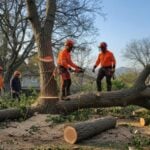
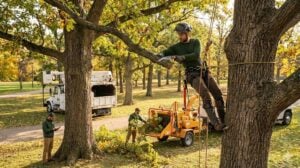
Correct equipment and safety protocols — harnesses, rigging hardware, cranes for complex removals, and PPE — lower the chance of injury and property damage and ensure professional results. Good safety practice includes pre‑job assessments, a clear felling plan, secure rigging for lowering heavy limbs, and controls for traffic and bystanders. When you get an estimate, ask which equipment will be used, how the crew is trained, and whether industry safety standards will be followed. Confirm they’ll wear safety gear and use the planned protocols on the job day. Verifying equipment and safety protects people, trees, and your property value.
If you want a licensed, insured local provider with clear pricing and written estimates, contact Pedro’s Tree Service to request a free estimate and schedule tree work; we offer transparent quotes, reliable service, and emergency availability to help protect your property.
Frequently Asked Questions
What should I look for in a tree service contract?
Look for a clearly defined scope of work (what will be removed, pruned, ground), an itemized price breakdown, insurance and permit responsibilities, and payment and cancellation terms. The contract should state cleanup expectations and any warranties. Clear language prevents misunderstandings and gives you proof if problems arise.
How can I ensure the tree service I hire is reputable?
Check recent online reviews with photos, ask for references from similar jobs, and review before-and-after photos. Verify licensing and insurance, and see how the company responds to complaints. A reputable company is open with documents and willing to answer detailed questions.
What are the benefits of hiring a certified arborist?
Certified arborists bring tested knowledge of tree biology, pruning standards, pest management, and safety. Their expertise helps trees stay healthier longer and reduces risk during work. They’re also more likely to follow industry best practices and make species-appropriate decisions.
How can I compare different tree service bids effectively?
Compare written, itemized estimates, not just the bottom line. Look at scope, equipment, crew size, permit and disposal responsibilities, timeline, and insurance coverage. Check references and reviews so you can match quality and value across bids.
What should I do if I notice red flags in a tree service company?
If you see vague quotes, pressure to sign, cash-only offers, or no proof of insurance, ask for documentation immediately. If the company is evasive, walk away and get quotes from licensed providers. It’s not worth risking safety or liability.
Why is it important to verify a tree service’s insurance coverage?
Confirming insurance protects you from financial responsibility if there’s property damage or a worker is injured. General liability covers property damage; workers’ compensation covers employee injuries. Always ask for a current COI and verify it with the insurer before work starts.
Conclusion
Picking the right tree service in El Cajon protects your property, your pocket, and the long-term health of your trees. Avoid common hiring mistakes by prioritizing licensed, insured professionals who provide written estimates, clear contracts, and verifiable references. For a local, family-run option that offers transparent quotes and reliable service, contact us for a free estimate. Your trees deserve careful, professional care — and the right team makes all the difference.