Healthy trees don’t happen by accident — they need regular care. This guide walks you through the main services professional crews provide: trimming and pruning, health inspections, pest and disease control, stump work, and emergency response. Read on to understand what each service does and how it keeps your trees safe, attractive, and long-lived.
Homeowners and property managers often struggle with overgrown or unhealthy trees, which can create safety risks and hurt curb appeal. Hiring experienced tree care pros solves those problems and protects your landscape investment. Below we explain the key parts of tree maintenance and why many San Diegans trust Pedro’s Tree Service for local tree care.
Core components of professional tree maintenance
Professional tree maintenance includes several focused tasks that keep trees healthy and safe. Typical services are trimming and pruning, routine health checks, pest control, fertilization, stump grinding, and emergency work. Each task supports long-term tree health and reduces hazards around your property.
How trimming and pruning help tree health and safety
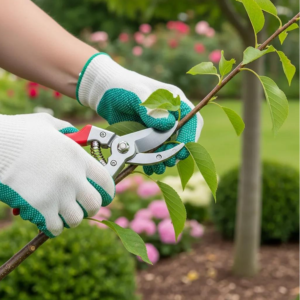
Trimming removes dead, broken, or crowded branches to reduce fall risk and improve the tree’s shape. Pruning targets diseased or damaged limbs and helps direct growth. Both practices open the canopy to light and air, which lowers disease pressure and encourages stronger, healthier growth.
What a tree health assessment covers
A tree health assessment is a step-by-step check of a tree’s leaves, crown, trunk, roots, and nearby soil. Arborists look for signs of stress, pests, disease, structural problems, and root issues. When needed, they use tools to test soil and inspect roots. Regular assessments catch problems early so treatments are more effective and less costly.
Studies and monitoring protocols provide practical methods for assessing tree condition in urban settings.
Roadside Tree Health Assessment & Monitoring
A methodology combining GIS mapping, rights-of-way definitions, and forest health monitoring components was used to assess roadside trees across several urban Maryland jurisdictions. The study found that about 14% of roadsides were lined with trees and that those trees generally scored well on crown health and damage indicators.
Forest health monitoring protocol applied to roadside trees in Maryland, MF Galvin, 1986
How pest and disease management fits into tree care
Pest and disease control is part of a proactive maintenance plan. It starts with identifying common pests and illnesses, then using targeted treatments and preventive practices to protect trees. Early detection and tailored responses limit damage and preserve tree vigor.
Research underscores the value of coordinated strategies for managing pests and diseases in urban trees.
Urban Forest Pest & Disease Management Strategies
Long-term studies comparing management approaches for Dutch elm disease showed varying ecological and economic outcomes across control scenarios. These findings help guide management for other serious pests, like emerald ash borer, and inform practical strategies for urban forest protection.
… management of future invasive pests affecting urban forests: The ecological and economic effects of varying Dutch elm disease management practices for street trees …, RJ Hauer, 2020
Common pests and diseases that affect San Diego trees
San Diego trees face pests such as aphids, spider mites, and bark beetles, which weaken trees by feeding on leaves or boring into bark. Diseases like oak root fungus (Armillaria) and sudden oak death can also be serious. Knowing symptoms early — wilting, dieback, unusual bark or leaf spots — helps prompt effective treatment.
Treatment and prevention methods that work
Treatments range from targeted insecticides and fungicides to organic and biological options chosen for the pest and tree species. Preventive care — correct watering, mulching, pruning, and soil care — keeps trees resilient. Regular monitoring and quick action make the biggest difference.
How fertilization supports long-term tree vitality
Fertilization supplies trees with nutrients they need when soil tests show deficiencies. A balanced application of nitrogen, phosphorus, and potassium (plus micronutrients when required) improves growth, root strength, and stress resistance. Tailoring fertilizer to the species and soil condition avoids overfeeding and keeps trees healthy.
Stump grinding and removal: what’s included
After a tree is removed, stump grinding or removal finishes the job. Services usually include grinding the stump below grade, removing the wood chips, and prepping the area for replanting or landscaping. Full stump removal is also available when root or site conditions call for it.
Why stump grinding matters
Grinding a stump eliminates trip hazards, prevents suckering or regrowth, and removes a pest attractant. It also frees the area for new plants or hardscaping and improves the overall look of your yard.
Typical costs and considerations for stump grinding
Stump grinding prices vary by stump diameter, location, and accessibility. Expect a typical range of $100 to $400 for most jobs; large or hard-to-reach stumps can cost more. Consider the long-term benefits — safety, aesthetics, and reduced pest risk — when weighing the cost.
When emergency tree services are necessary
Emergency tree service is needed when trees or large limbs pose immediate risk to people, structures, or utilities — often after storms, high winds, or sudden failure. Quick, safe response limits damage and restores safety.
How emergency crews handle storm damage
Emergency teams quickly assess the scene, secure the area, and remove dangerous limbs or fallen trees using trained rigging and removal techniques. Safety and speed are the priorities, followed by debris cleanup and a recommended plan to stabilize remaining trees.
What to expect during emergency tree removal
Expect a professional assessment, a clear safety plan, and efficient removal and cleanup. Crews will secure the site, remove hazardous material, and advise on follow-up care or repairs. If power lines are involved, we coordinate with the utility company before work begins.
Why choose Pedro’s Tree Service for your tree maintenance
Pedro’s Tree Service is a family-owned San Diego crew focused on dependable, careful tree care. We combine local knowledge, licensed professionals, and hands-on experience to keep your trees healthy and your property safe.
Benefits of hiring a licensed and insured local provider
Hiring a licensed, insured company means trained crews, industry-standard safety practices, and financial protection if accidents occur. Local providers also understand regional species, pests, and climate — which leads to better recommendations and results.
How Pedro’s Tree Service delivers 100% customer satisfaction
We aim for clear communication, timely service, and quality workmanship on every job. From the initial estimate through cleanup, we keep you informed and make sure you’re happy with the outcome. Learn more or get in touch through our contact page.
| Service | Description | Benefits |
|---|---|---|
| Tree Trimming | Remove dead or overgrown branches to shape and strengthen trees | Reduces hazards and improves tree health |
| Tree Health Assessment | Detailed inspection of canopy, trunk, roots, and soil | Early detection and targeted care |
| Pest Management | Identify and treat insects and diseases with safe options | Protects long-term tree vitality |
Frequently Asked Questions
What qualifications should I look for in a tree maintenance service provider?
Look for certified arborists, proper licensing, and liability insurance. Certifications mean the crew understands tree biology and safe practices. Also read reviews, ask for references, and request a written estimate that outlines services and pricing.
How often should I schedule tree maintenance services?
It depends on species, age, and site conditions. A yearly health check is a good baseline. Light pruning every 1–3 years keeps most trees in shape; pest treatments are scheduled as needed. We’ll recommend a maintenance plan tailored to your trees.
What are the signs that my tree needs immediate attention?
Immediate concerns include large dead limbs, sudden leaning, deep trunk cracks, root heave, or fungal growth at the base. If a tree shows these signs, contact a professional promptly to assess safety and next steps.
Can tree maintenance services help improve my property value?
Yes. Well-maintained trees boost curb appeal, provide shade, and signal good upkeep to buyers. Healthy trees add aesthetic and environmental value, which can make your property more attractive on the market.
What should I do if a tree falls on my property?
First, ensure everyone is safe. Avoid the area if power lines are involved and call emergency services for injuries. Then contact an emergency tree service to safely remove the tree. Document damage for your insurance company.
Are there eco-friendly options for tree care and pest management?
Absolutely. We use organic fertilizers, targeted biological controls, and cultural practices like mulching and proper watering to support tree health while minimizing chemical use. Ask about eco-friendly options when you schedule services.
Conclusion
Regular, professional tree maintenance keeps your landscape safe, healthy, and attractive. Knowing what’s included — from trimming and inspections to pest control and stump work — helps you choose the right service. Pedro’s Tree Service brings local expertise, licensed crews, and a customer-first approach to every job. Contact us to schedule an assessment and protect the long-term health of your trees.