Healthy trees make your yard look great and help the local environment, but a few common mistakes can shorten their life. This guide will help you spot and avoid those mistakes so your trees stay strong. From poor pruning to watering errors, knowing the most common tree maintenance mistakes makes a big difference for homeowners in El Cajon. Read on for practical tips on pruning, watering, mulching, spotting sick trees, and when to call in the pros.
What Are the Most Harmful Tree Pruning Mistakes to Avoid?
Pruning keeps trees healthy, but the wrong cuts can cause lasting harm. Knowing the pruning errors that do the most damage helps you protect a tree’s structure and long-term health.
Why Is Tree Topping and Lion-Tailing Damaging to Tree Health?
Topping and lion-tailing are two pruning mistakes that often lead to weak regrowth and higher risk of disease. Topping removes large branch terminals, leaving stubs that spur fast, weak shoots. Those shoots break more easily in storms and invite pests and decay. This interrupts the tree’s natural form and strength.
Lion-tailing removes inner branches and leaves foliage only at the tips. That hollows the canopy and shifts weight to the outer branches, increasing wind damage and pest problems. Avoid these techniques and choose methods that support the tree’s natural shape and stability.
Research and field experience both show that topping and lion-tailing compromise a tree’s structure and make it less resilient.
Avoiding Harmful Pruning: Lion-Tailing & Topping
Lion-tailing removes inner branches and can have harmful effects on a tree; it is not an acceptable pruning practice. Topping or severe crown reduction often causes many weak sprouts at cut points — these sprouts can break during storms and lead to further problems.
When Is the Best Time and How to Use Proper Tools for Pruning?
Timing and tools matter. For most deciduous trees, late winter to early spring — when trees are dormant — is the best time to prune. That schedule reduces stress and helps wounds heal. Some species or flowering trees need different timing, so check species-specific advice when in doubt.
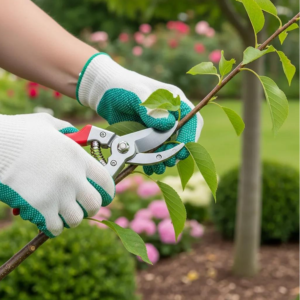
Use the right tools: sharp hand pruners for small stems, loppers for medium branches, and a pruning saw for larger limbs. Keep tools clean and sharp to make clean cuts that heal well. Correct technique and timing make pruning safer and more effective for your trees.
A planned, preventive pruning approach helps preserve the structure and health of mature trees over time.
Developing Preventive Pruning Plans for Mature Trees
A preventive pruning program outlines objectives and pruning types that meet site conditions and expectations. It describes how to set a pruning cycle and implement maintenance for mature trees, helping owners plan long-term care.
—Developing a Preventive Pruning Program in Your Community: Mature Trees: ENH 1063/EP316, 9/2007, 2007
How Can Overwatering and Underwatering Affect Your Trees?
Water is essential, but too much or too little can both be harmful. The right balance keeps roots healthy and the tree vigorous.
What Are the Key Symptoms of Overwatering and Root Rot?
Overwatering creates soggy soil where root-rotting fungi thrive. Roots that sit in water lose oxygen, weaken, and decay — that’s root rot.
Watch for wilting or yellowing leaves, slow decline in vigor, and soft or mushy roots when digging near the dripline. If you see these signs, let the soil dry and change watering practices so roots can recover.
Scientific sources confirm that excess moisture raises the risk of root rot and other diseases.
Overwatering Leads to Root Rot & Plant Diseases
Excessive watering makes plants more vulnerable to root rot diseases, and consistently wet foliage encourages foliar diseases. Nearby infected hosts can spread pathogens into a nursery or landscape.
How to Recognize Signs of Underwatering and Drought Stress?
Underwatering causes drought stress. Trees show dry, brittle leaves, slowed growth, and premature leaf drop. They may also fail to put on new growth in spring. Check soil moisture regularly and water deeply during dry spells to avoid these problems.
What Are Improper Mulching Techniques That Harm Trees?
Mulch helps roots and conserves moisture, but the wrong application can cause damage. Apply mulch thoughtfully and keep it away from the trunk.
Why Is the ‘Mulch Volcano’ a Common Mulching Mistake?
A “mulch volcano” piles mulch against the trunk. That keeps the trunk too wet, hides the root flare, and can suffocate roots or encourage rot. Instead, spread mulch in a flat layer and leave a few inches of trunk exposed.
How to Apply Mulch Correctly to Protect Tree Root Flare?
Use organic mulch like wood chips or bark. Lay 2–4 inches deep and keep it pulled back a few inches from the trunk so the root flare stays visible. This keeps moisture where roots need it, suppresses weeds, and stabilizes soil temperature.
How to Identify and Respond to Signs of Sick Trees at Home?
Spotting illness early gives you the best chance to save a tree. Regular checks help you catch problems before they spread.
What Are Early Indicators of Pest Infestation and Tree Diseases?
Early warning signs include leaf discoloration, stunted or unusual growth, visible insects, fungal growths, cankers, or oozing sap. Make a habit of inspecting trees seasonally so you can act quickly if you see any of these symptoms.
When Should You Seek Professional Tree Health Assessment?
If you notice major declines, structural failure, or signs you can’t identify, it’s time to seek a professional tree health assessment . Licensed arborists give accurate diagnoses and recommend treatments to restore health or reduce risk. Early professional help often saves trees and prevents hazards.
Why Is DIY Tree Care Risky and When Should You Hire Professionals?
DIY tree work can seem tempting, but it carries real risks if you don’t have training or the right gear. Know when to call a pro for safety and the best outcome.
What Are Common Safety Hazards and Property Damage Risks in DIY Tree Care?
DIY hazards include falling branches, improper tool use, and accidental property damage. Without experience or safety equipment, homeowners risk injury and costly mistakes.
How Do Licensed Arborists Provide Safer and More Effective Tree Maintenance?
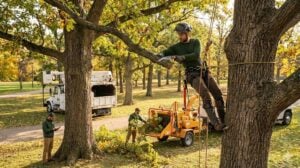
Licensed arborists bring training, proper techniques, and special equipment to the job. For El Cajon homeowners, professional help prevents damage and keeps trees healthier long-term. Pedro’s Tree Service offers skilled tree care to protect your property and trees.
| Pruning Technique | Impact on Tree Health | Recommended Alternative |
|---|---|---|
| Topping | Weakens tree structure, increases disease susceptibility | Selective pruning to maintain natural shape |
| Lion-tailing | Creates imbalance, increases vulnerability to wind | Thinning cuts to promote healthy growth |
| Improper mulching | Suffocates roots, promotes rot | Evenly spread mulch, keeping away from trunk |
This quick reference shows why correct pruning and mulching matter. Avoid harmful methods and choose the recommended alternatives to help your trees thrive.
These best practices offer several key benefits for tree health, including:
- Enhanced Growth: Proper pruning supports strong structure and healthy new growth.
- Disease Prevention: Correct watering and drainage reduce the risk of root rot and drought stress.
- Root Protection: Proper mulching protects roots, retains moisture, and improves soil health.
When you avoid common maintenance mistakes, your trees will live longer and look better in your landscape.
Regular inspections and timely care keep trees resilient and reduce the chance of costly problems down the road.
Frequently Asked Questions
What are the benefits of hiring a professional arborist for tree maintenance?
A professional arborist brings trained expertise in assessing tree health, proper pruning, and pest management. They spot issues early, use safe techniques, and have the right equipment to do the job safely and efficiently. Hiring a licensed arborist means your trees get proper care that protects both the tree and your property.
How can I tell if my tree is suffering from a disease? 4
Signs vary, but common clues are yellowing or wilting leaves, odd growth patterns, visible fungal growth or cankers on the bark, oozing sap, or sudden leaf drop. If you notice these signs, have a professional evaluate the tree so you can get the right treatment.
What is the importance of seasonal tree care?
Seasonal care keeps trees healthy year-round. Pruning in late winter or early spring reduces stress and helps healing. Seasonal checks also let you spot pests, adjust watering, and refresh mulch as needed. Aligning care with the seasons improves growth and resilience.
What are the risks of improper mulching techniques?
Wrong mulching — like piling mulch against the trunk — can suffocate roots, hold excess moisture, and invite rot or pests. Use organic mulch, keep it a few inches from the trunk, and keep the layer 2–4 inches deep to avoid problems.
How often should I water my trees?
Watering frequency depends on species, soil type, and weather. Young trees need more regular watering; established trees need less. A common guideline is a deep watering once a week during dry spells, letting the top few inches of soil dry between waterings. Check soil moisture and adjust for rain and season.
What should I do if I suspect my tree is infested with pests?
Inspect the tree for discoloration, webbing, visible insects, or other signs. For minor issues, you may remove pests manually or use targeted treatments. For larger or unclear infestations, call a professional arborist who can identify the pest and recommend a safe, effective treatment plan.
Conclusion
Avoiding common tree maintenance mistakes helps your trees stay healthy, safe, and attractive. Learn the right pruning, watering, and mulching practices, and bring in a licensed arborist when a job is risky or unclear. If you’d like expert help, explore our services and let Pedro’s Tree Service care for your trees.