Trees give us shade, curb appeal, and cleaner air — but like any living thing, they can show signs of stress or decline. This guide walks you through the common warning signs that a tree needs professional care, how to spot dying-tree symptoms, and when it’s time to call an arborist. Catching problems early can protect your trees, keep your property safe, and save you money on big fixes later. We’ll cover visual cues, structural issues, pests and diseases, and emergencies — plus how a free tree health assessment from Pedro’s Tree Service can help.
What Are the Most Common Signs of Unhealthy Trees?
Knowing what to look for makes it easier to protect your trees. Look for things like dead or dying limbs, leaves that are off-color or thin, and a general loss of vigor. Spotting these signs early gives you options beyond removal.
How to Recognize Dying Tree Symptoms Like Dead or Dying Branches
Dead or dying branches are often the easiest sign to notice. They can be brittle, leafless, or gray-looking compared with healthy branches. A few dead limbs may be manageable, but several can mean the tree is struggling and should be checked by a professional.
What Does Discolored or Sparse Foliage Indicate About Tree Health?
Leaves that are yellowing, browning at the edges, or thinning out can point to problems like nutrient shortages, drought stress, root damage, or disease. Regularly scanning your tree’s canopy for changes helps catch issues before they spread.
How to Identify Tree Structural Problems That Require Professional Attention
Structural faults put people and property at risk. Early recognition of trunk cracks, splits, and notable leaning can prevent dangerous failures and costly damage.
What Do Cracks and Splits in Tree Trunks Reveal About Tree Stability?
Cracks and splits often signal internal decay or weakened wood. Such defects reduce a tree’s ability to stand up to wind and storms. If you see major cracks, getting an arborist’s assessment is the safest next step.
When Is a Leaning Tree a Hazard Due to Root Damage or Soil Erosion?
A slight lean can be normal, but a new or growing lean — especially after heavy rain, nearby excavation, or visible root upheaval — can mean the roots aren’t holding. A professional can determine whether the lean is dangerous and recommend solutions.
How Can You Detect Tree Diseases and Pest Infestations Early?
Catching diseases and pests early is the best way to protect a tree. Watch for unusual growths, fungal patches, dieback, or visible insects — any of these can be a red flag.
What Are the Signs of Common Tree Diseases Affecting San Diego Trees?
Local trees can be affected by issues like root rot and powdery mildew. Symptoms include wilting, odd growths, or fungal patches on bark and leaves. Scheduling routine inspections helps identify and treat these problems before they worsen.
How to Spot Pest Infestations and Their Impact on Tree Health
Pests leave clear clues: chewed leaves, holes, webbing, sticky residue, or clusters of insects. Common offenders in our area include aphids, spider mites, and bark beetles. If you suspect an infestation, a professional diagnosis will point to the safest and most effective treatment.
Pest and pathogen outbreaks don’t just hurt single trees — they can affect neighborhood health, safety, and local budgets.
Impacts of Tree Pests & Pathogens on Urban Trees
We reviewed global studies to understand how insect pests and pathogens affect urban trees. After screening thousands of papers, 100 relevant studies from 28 countries (1979–2021) were organized into three main impact areas: (1) environmental — most studies reported tree damage, mortality, reduced growth, and altered tree function; (2) social — some studies described effects on aesthetics, human health, and safety concerns; and (3) economic — several studies discussed pest management costs and related economic losses.
Tree insect pests and pathogens: a global systematic review of their impacts in urban areas, S Raum, 2023
When Should You Call an Arborist for Professional Tree Maintenance?
Knowing when to reach out makes all the difference. Certain warning signs need a trained eye to evaluate risk and recommend safe, effective solutions. If in doubt, call a pro.
What Critical Tree Conditions Require Immediate Professional Assessment?
Call an arborist right away for major leaning, lots of dead limbs, large trunk damage, or quick-spreading disease. These issues can become emergencies and should be handled by someone with the right training and equipment.
These situations show why professional judgment and formal training matter when assessing tree risk.
Professional Expertise in Tree Risk Assessment
Professional judgment comes from experience, training, and careful observation. Research into tree risk assessment highlights how arboricultural training shapes decision-making and improves the accuracy of risk evaluations across related fields.
How Does a Certified Arborist Diagnose and Treat Tree Health Issues?
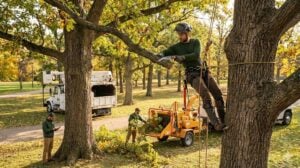
An arborist combines visual inspection with tools like soil tests and decay probes to find root causes. From targeted pruning and fertilization to pest control and soil work, they recommend treatments that restore health while protecting the rest of your landscape.
Arborists bring both broad experience and specific knowledge, which improves diagnosis and treatment outcomes.
Arborist’s Role in Diagnosing Tree Symptoms
A symptom signals a problem — but you need to know what “normal” looks like to recognize it. A municipal arborist who sees many trees in varied conditions can become an excellent diagnostician, though they must still understand tree diseases, injuries, and insect damage to make accurate judgments.
The diagnosis of urban tree disorders, 1980
What Emergency Tree Situations Demand Prompt Professional Services?
Some scenarios require fast action to protect people and property. Knowing what qualifies as an emergency helps you act quickly and safely.
How to Recognize Storm Damage and Hazardous Trees Needing Emergency Removal
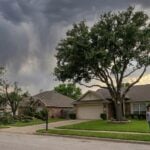
After storms, look for broken limbs hanging in the canopy, split trunks, or trees that are partially uprooted. These are clear hazards — if you see them, don’t try to fix the situation yourself; call an emergency tree service.
What Are the Benefits of Quick Emergency Tree Services in El Cajon?
Fast, professional response can prevent further property damage and reduce safety risks. Skilled crews can stabilize, remove, or trim hazardous trees quickly and safely, often saving you time and money compared with delayed repairs.
How Can You Benefit from a Free Tree Health Assessment by Pedro’s Tree Service?
Our free tree health assessment gives you a clear picture of what’s going on — no pressure, just professional advice. We’ll point out risks, suggest practical fixes, and help you prioritize work based on safety and value.
What to Expect During a Professional Tree Inspection and Diagnosis
During an inspection, an arborist will examine the canopy, trunk, and root zone for disease, structural faults, pests, and soil issues. You’ll get straightforward recommendations and an explanation of next steps.
How Free Estimates Help You Make Informed Tree Maintenance Decisions
Free estimates show the likely costs and options so you can plan wisely. Knowing the scope and price of recommended work helps you decide what to do now and what can wait.
Frequently Asked Questions
What are the long-term benefits of regular tree maintenance?
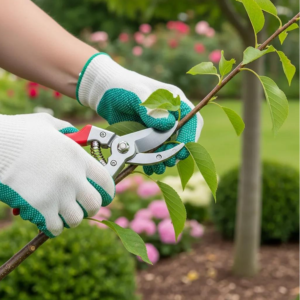
Regular tree maintenance keeps trees healthier, safer, and more attractive. Well-cared-for trees live longer, provide better shade and air quality, and boost property value. Routine pruning and inspections also reduce the chance of big problems and unexpected costs.
How often should trees be inspected for health issues?
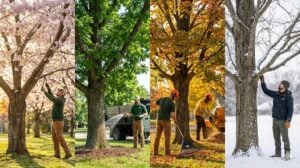
At minimum, inspect trees once a year. Some trees — especially older, fast-growing, or storm-exposed specimens — benefit from twice-yearly checks. An arborist can recommend a schedule based on species, age, and site conditions.
Can tree diseases spread to other plants in my garden?
Yes. Fungal, bacterial, and viral diseases can move between plants, and insects can carry pathogens too. Watch for symptoms across your landscape and consult an arborist if you see signs like wilting or unusual discoloration.
What should I do if I suspect my tree is infested with pests?
Inspect carefully for visible insects, webbing, chewed leaves, or bark damage. If you spot signs or the infestation seems advanced, call a certified arborist for ID and treatment options — from targeted sprays to biological controls.
Are there specific tree species that require more maintenance than others?
Certain species grow quickly or are more disease-prone and therefore need more attention. Trees like willows and poplars often require regular pruning, while some species are more vulnerable to specific pests. Knowing each tree’s needs helps you plan care.
What are the signs that a tree may need to be removed?
Signs that removal may be necessary include lots of dead branches, major trunk damage, severe leaning, large cavities, or untreatable pest/disease infestations. A certified arborist can assess whether removal is the safest and most practical option.
Conclusion
Spotting the signs early — from dead limbs and discolored foliage to structural defects and pests — gives you more choices and better outcomes for your trees. A certified arborist provides the expertise to diagnose issues and recommend the right treatments. Don’t wait for a problem to become an emergency — contact Pedro’s Tree Service today for a free tree health assessment and straightforward advice.