Tending trees in El Cajon means matching the right timing and technique to each species so they stay healthy, safe, and good-looking. This guide breaks down the difference between trimming (routine shaping and small growth control) and pruning (deeper, structural cuts for tree health), explains how our Mediterranean-influenced climate affects timing, and gives a straightforward care plan homeowners can follow. You’ll learn what warning signs to watch for, when to schedule big versus light cuts, and a practical pruning rhythm for common local trees like oaks, palms, and fruit trees.
We also highlight urgent signs that need immediate attention and provide a simple seasonal calendar you can use when asking for a professional opinion. If you’d rather have a crew handle it, Pedro’s Tree Service is a family-owned, licensed, and insured team serving El Cajon and greater San Diego — we offer free estimates and emergency response. Mention the free estimate when you call.
The sections below walk through the benefits of regular care, seasonal timing, species-specific schedules, how to diagnose problems, hiring advice, and a step-by-step seasonal plan to keep your trees in great shape.
Why Is Regular Tree Trimming and Pruning Essential in El Cajon?
Routine trimming and pruning are proactive steps that keep trees healthier, reduce risks, and keep your yard looking its best. Removing deadwood, balancing crowns, and correcting crossing limbs improves airflow and sunlight through the canopy — that cuts down on fungi and pests and strengthens the tree’s structure. In El Cajon’s warm, dry summers and mild winters, planned pruning eases drought stress, prepares trees for seasonal storms, and reduces the chances pests exploit weakened tissue. Regular care also preserves sightlines, lowers liability from falling limbs, and helps curb appeal — which can support property value. For bigger or riskier jobs, licensed and insured professionals follow safety-first practices and proper disposal to limit hazards.
How Does Tree Pruning Improve Tree Health and Safety?
Pruning removes damaged or diseased wood and reshapes the crown so weight is more evenly distributed across main branches — that reduces the chance of failures in wind or storms. Cutting out deadwood stops decay from spreading and removes hiding spots for pests, while selective thinning brings more light and air into the canopy to reduce humidity pockets that favor fungi. Structural pruning — for example correcting weak branch attachments — guides stronger growth and lowers future maintenance. Knowing these effects helps homeowners prioritize structural work during dormancy and schedule lighter maintenance during growth so trees recover quickly.
What Are the Aesthetic and Property Value Benefits of Tree Maintenance?
Regular pruning improves curb appeal, clears sightlines, and helps trees fit the scale of your landscape — all things buyers notice. Trimming low branches that block walkways, shaping trees to highlight form, and keeping branches away from structures or utilities prevent code violations and costly emergency work. Those neat, healthy-looking trees not only make your yard more inviting but also protect property value by reducing future problems.
What Is the Best Time to Prune Trees in San Diego and El Cajon?
The general rule: late winter to early spring is best for most structural pruning, with a few important exceptions based on species and flowering schedules. Pruning during dormancy lowers sap flow and reduces disease risk because trees are less active. In El Cajon, late winter cuts set trees up for spring growth while avoiding the early-season surge in pests. Some flowering trees should be pruned right after they bloom to protect this year’s flowers, and palms use different techniques and timing altogether. Always factor species-specific timing into major pruning and leave fine shaping for active growth when wounds close faster.
Which Seasons Are Optimal for Tree Trimming in El Cajon’s Climate?
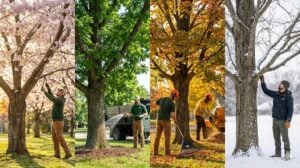
Match actions to the tree’s growth cycle: winter for structural pruning, spring for shaping, summer for light maintenance and removing deadwood, and fall to prepare for storms and moisture shifts. Late-winter pruning targets bigger cuts when sap flow is low, while spring pruning after leaf-out lets you see structure clearly for final shaping. Summer cuts should be conservative — heavy pruning in hot, dry weather slows healing and increases pest risk. Fall work focuses on removing diseased material, clearing gutters, and checking root collars ahead of winter storms. Following these seasonal phases makes an annual plan that works with tree biology.
How Does Dormancy Affect Pruning Frequency and Timing?
Dormancy is when a tree’s metabolism slows, and pruning in or just before this period limits sap loss and reduces the chance for pathogens to take hold in fresh wounds. For many local deciduous trees the practical dormancy window runs from late fall through late winter, making that the best time for major structural cuts. Some species, including certain oaks and flowering trees, have different dormancy or bloom timing, so plan pruning around blooms and local pest cycles. Knowing dormancy windows helps you schedule work to speed recovery and lower disease risk while keeping an effective pruning rhythm.
How Often Should You Trim or Prune Different Tree Species in El Cajon?
Pruning frequency depends on species, tree age, and your goals: structural pruning is less frequent and more intensive; maintenance trimming for clearance and form happens more often. Young trees need formative pruning every 1–3 years to build strong structure. Mature shade trees usually benefit from a structural check every 3–7 years with light maintenance each year. Palms, fruit trees, and fast-growing ornamentals follow different patterns — palms need hazardous fronds removed as they appear and general grooming yearly; fruit trees typically get annual pruning to manage canopy and fruiting; oaks require cautious, less-frequent structural work because of disease sensitivities. Tailoring intervals to species helps avoid over-pruning and supports long-term health.
Research underscores how formative pruning fixes common structural defects in young trees, setting them up for long-term stability and health.
Formative Pruning for Tree Structure & Defect Correction
A study examined the need and cost of formative pruning for newly planted street trees. While overall health was similar across species, the form and structure varied. The most frequent defects were codominant stems (68%) and included bark (40%) in the canopy or trunk, common issues that formative pruning can address.
Intro to species comparison table: The table below summarizes recommended pruning frequency and preferred season for several common El Cajon species so you can plan sensible maintenance.
| Species | Recommended Frequency | Best Season |
|---|---|---|
| Oak | Structural every 3–7 years; minor checks annually | Late winter |
| Palm | Hazardous frond removal as-needed; routine maintenance annually | Year-round maintenance; major work in cooler months |
| Fruit trees | Annual pruning to shape and encourage fruiting | Late winter/early spring |
| Evergreen ornamentals | Light shaping 1–2 times per year; structural cuts every 3–5 years | Late winter or early spring |
This quick table shows how pruning schedules vary: oaks need careful structural timing, palms require safety-driven upkeep, and fruit trees do best with yearly shaping to support harvests.
What Is the Pruning Schedule for Oak, Palm, and Fruit Trees?
Oaks: schedule major structural pruning in late winter to reduce oak-wilt risk and help wounds compartmentalize; focus on removing deadwood and crossing limbs carefully. Palms: remove hanging or hazardous fronds promptly and perform routine grooming annually — palm pruning centers on safety and sanitation rather than branch structure. Fruit trees: prune annually in late winter to open the canopy for light and air, manage fruiting wood for better harvests, and control height for easier picking. Following these species-specific schedules reduces stress and supports each tree’s purpose in your landscape.
How Does Pruning Frequency Differ Between Deciduous and Evergreen Trees?
Deciduous trees typically receive structural or corrective pruning during dormancy, often yearly or every other year, depending on growth and landscape goals — dormant cuts reduce stress and encourage strong spring growth. Evergreens usually need lighter, more frequent shaping to keep form and clearance, while heavy structural cuts are spaced farther apart to avoid large wounds. The strategy for each group balances timing, frequency, and natural growth to protect long-term structure and minimize repeat large cuts.
What Are the Signs That Your Trees Need Pruning or Trimming?

Look for clear indicators to prioritize pruning: dead or hanging branches, included bark or cracks at unions, heavy sucker growth, and an unbalanced canopy are all signs you should intervene to prevent hazards and preserve health. Regular checks can also catch early disease signs like discolored leaves, cankers, or fungal fruiting bodies — these call for targeted pruning to remove infected tissue. Overgrowth that interferes with structures, sightlines, or utilities needs trim work for safety and compliance. Leaning trunks or storm damage are emergency situations that require immediate attention. Matching symptoms to urgency helps you decide between routine maintenance, scheduled professional pruning, or emergency removal.
Intro to diagnostic table: The table below links common symptoms to risk level and recommended action so you can triage problems effectively.
| Symptom | Risk Level | Recommended Action |
|---|---|---|
| Dead Branches | High | Schedule pruning ASAP to remove hazards |
| Cracks or Split Unions | Very High | Call professional for urgent assessment |
| Fungal Growth on Trunk | Medium-High | Isolate and prune infected wood; inspect root health |
| Excessive Sucker Growth | Low-Medium | Perform maintenance trimming and root-zone evaluation |
This simple mapping helps prioritize interventions: structural instability and cracks need the fastest response, while minor growth issues can wait for regular maintenance.
How to Identify Dead Branches, Overgrowth, and Disease Symptoms?
Run a few quick checks: use a scratch test to see if the cambium under the bark is green, inspect leaves for unusual color or early drop, and look for fungal conks or oozing sap that signal infection. Dead wood won’t show flexible green tissue under bark when scratched; diseased limbs may have cankers, sunken bark, or gummy exudate. Overgrowth that creates heavy limb extensions or multiple co-dominant leaders is visible and can be measured against nearby structures or lines. Regular seasonal observations help catch small problems before they become major safety or health issues.
When Should Homeowners Schedule Emergency Tree Pruning?
Call for emergency pruning if limbs are cracked, hanging over occupied areas, or if a tree suddenly leans after a storm — these situations are immediate hazards. If a large limb has failed but remains partly attached, or the root plate is heaving and the trunk is tilting, keep people away and get a professional out quickly. Storm-damaged trees with unstable limbs should be stabilized or pruned by trained crews who follow safety protocols to prevent secondary damage and injury.
Knowing these emergency triggers helps homeowners act fast to protect people, property, and any salvageable tree structure.
Why Choose Professional Tree Trimming Services in El Cajon?
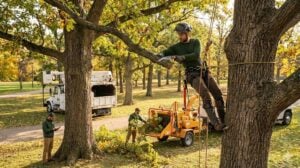
Hiring pros gives you expertise in proper pruning technique, risk assessment, and local compliance that protect both trees and property. Professionals bring the right equipment and insurance to limit homeowner liability and make sure debris is disposed of properly. Licensed arborists understand how different species respond to pruning and will recommend a maintenance schedule that balances short-term needs with long-term health. They also handle permits and large removals safely, and their crews follow established safety protocols to protect your family and property. For complex jobs or emergencies, a licensed, insured local provider is the safest choice to preserve tree value.
What Are the Benefits of Hiring Licensed and Insured Arborists?
Licensed, insured arborists lower risk by carrying liability coverage and following safety standards, which protects you from claims if something goes wrong during work. Professionals make pruning cuts that favor tree health (correct collar cuts, selective thinning) instead of damaging practices like topping. Experienced crews also provide realistic risk assessments and aftercare suggestions, such as mulching or irrigation tweaks to help wounds heal. These advantages make professional services a smart investment for larger or complicated trees.
How Do Free Estimates and Customer Satisfaction Guarantees Work?
A free estimate usually includes a visual inspection of tree structure, hazard identification, a recommended scope of work and timeline, and a cost estimate for labor and disposal — so you can compare options with no upfront charge. Reputable companies often offer satisfaction guarantees that commit to meeting agreed standards and addressing follow-up questions or corrections within a set period. When you get an estimate, ask what’s included (debris removal, stump disposal, emergency response) and verify licensing and insurance. Clear estimates and guarantees make planning maintenance simpler and give you peace of mind.
How Can You Create a Seasonal Tree Care Plan for El Cajon Properties?
A seasonal tree care plan lays out tasks by dormancy, growth, and stress periods so you can schedule pruning, inspections, and pest checks before problems arise. Start by listing the species on your property, their preferred pruning seasons, and any special notes (fruiting cycles, oak sensitivities, palm grooming). Add spring and fall inspections, formative pruning for young trees, biennial structural checks for mature specimens, and immediate removal of storm damage. Combine this calendar with proper watering and mulching to reduce drought stress and help wounds recover after cuts.
What Does a Seasonal Pruning Calendar Look Like for Local Tree Species?
A simple seasonal calendar ties months or seasons to recommended actions: late winter for structural pruning of oaks and fruit trees, immediate removal of hazardous palm fronds year-round, spring for light shaping, and summer/fall for sanitation and pest checks. Here’s a quick at-a-glance calendar:
- Late Winter (Jan–Mar): Structural pruning and major cuts for deciduous trees.
- Spring (Apr–Jun): Final shaping and light thinning after leaf-out.
- Summer (Jul–Sep): Light maintenance, remove deadwood, avoid heavy cuts in heat.
- Fall (Oct–Dec): Storm prep, remove diseased wood, inspect root collars.
This schedule helps you plan bigger work during dormancy and leave refinements for growth windows so trees recover more easily.
How to Incorporate Pest Management and Disease Prevention in Tree Maintenance?
Good pest management fits into your pruning schedule: inspect during growth spurts, prune out infected tissue quickly, and avoid heavy cuts during peak pest activity to limit infestation risk. Watch for signs like discolored foliage, boreholes, or fungal fruiting bodies, and call in a pro when symptoms look systemic. Keep trees vigorous with proper watering, mulching, and by protecting roots during landscaping — healthy trees resist pests and compartmentalize wounds better. If prevention isn’t enough, licensed arborists can recommend targeted treatments that follow integrated pest management principles.
Pedro’s Tree Service helps El Cajon homeowners with on-site assessments, free estimates, emergency response, and seasonal maintenance planning. We’re licensed, insured, and committed to safe disposal and a 100% customer satisfaction guarantee. To arrange a free estimate or discuss emergency pruning, contact Pedro’s Tree Service and tell us which species you have and what issues you’ve noticed so we can suggest the best schedule.
Frequently Asked Questions
What tools are essential for tree trimming and pruning?
Basic pruning tools include hand pruners, loppers, pruning saws, and pole saws. Hand pruners work for small branches; loppers handle thicker limbs; pruning saws take care of larger cuts; and pole saws help reach higher branches without a ladder. Don’t forget safety gear — gloves, eye protection, and a hard hat are important. Quality tools make cleaner cuts, and cleaner cuts heal better.
How can I tell if my tree is healthy enough for pruning?
Look for a full canopy, steady growth, and minimal pest or disease signs. Check for dead or dying branches and do a scratch test on the bark — green cambium under the bark usually means the branch is alive. If you spot stress or disease, get a professional opinion before pruning so you don’t make things worse.
What are the risks of over-pruning trees?
Over-pruning stresses trees, reduces their ability to photosynthesize, and makes them more vulnerable to pests and disease. Removing too much foliage can also expose bark to sunscald and weaken structure, and bad practices like topping cause long-term damage and higher maintenance needs. Stick to recommended pruning limits to keep trees healthy.
Can I prune my trees myself, or should I hire a professional?
Homeowners can do small pruning jobs on low-risk branches, but for larger trees, complicated cuts, or anything near structures and power lines, hire a licensed arborist. Pros have the training, equipment, and insurance to do the job safely and correctly. When in doubt, call a professional.
What should I do if I notice pests or diseases on my trees?
Identify the issue first — look for discolored leaves, unusual growths, or visible insects. Simple problems can be handled with pruning of affected areas, but serious infestations or diseases are best treated by a professional arborist who can recommend targeted treatments. Regular inspections and timely action will keep issues from spreading.
How can I maintain my trees between pruning sessions?
Keep up with seasonal inspections, proper watering, and mulching. Check trees for stress, disease, or pest activity and address problems early. Mulch around the base to hold moisture, suppress weeds, and stabilize soil temperature. Avoid damaging roots during landscaping, and consider fertilizing only if trees show nutrient deficiencies. These habits help trees stay strong between prunings.
Conclusion
Regular trimming and pruning in El Cajon keep trees safer, healthier, and more attractive — and it protects your property value. By following the right timing and techniques for each species, homeowners can reduce risks and help trees thrive. For tailored advice or professional help, reach out to licensed arborists who can assess your trees and recommend the best plan. Start building a seasonal care plan today to keep your landscape looking its best.
Ready to protect and enhance your trees? Contact us now for expert tree trimming and pruning services in El Cajon!