Removing a tree at the right time of year can protect your landscape, reduce costs, and improve long-term tree health, especially in El Cajon’s milder San Diego microclimate. This article explains seasonal tree removal, why dormant-season work often delivers the best outcomes, and how timing interacts with disease cycles, wildlife activity, and weather-driven hazards. Homeowners and property managers will learn practical decision criteria for choosing winter, spring, summer, or fall removal, plus clear indicators that signal emergency action. The guide also compares seasonal cost and scheduling trade-offs, presents checklists and tables for quick assessment, and outlines when to call a professional versus scheduling a planned removal. Finally, when appropriate, the article points to local service options and next steps for readers ready to request evaluations or emergency help in El Cajon. Understanding these timing factors helps you minimize landscape disruption and get better value from professional tree removal services.
What Is the Best Time for Tree Removal in El Cajon?
The best time for most non-emergency tree removal in El Cajon is during the dormant season—generally late fall through early spring—because reduced sap flow, leafless canopies, and lower pest activity improve safety and recovery potential. Dormancy lowers the tree’s metabolic response to wounds, reducing stress on nearby vegetation and speeding healing for residual plants; crews also gain clearer sightlines for rigging and directional felling. Local climate nuance matters: El Cajon’s mild winters shorten strict dormancy windows compared with colder regions, so crews tailor timing by species and tree condition to avoid nesting seasons or unusually wet ground. Planning removals in the dormant window typically yields better scheduling flexibility and can reduce the risk of disease spread. Below are concise reasons why dormant-season timing often provides the best balance of health, safety, and cost control.
How Does Tree Dormancy Affect Removal Timing?
Tree dormancy is a physiological period when growth slows, sap movement drops, and metabolic processes conserve energy, making trees less reactive to cutting or removal. This reduction in activity limits the movement of pathogens and pests that exploit fresh wounds, decreasing the likelihood of secondary infections after removal. Dormant, leafless canopies also improve visibility for climbers and ground crews, which reduces the time and complexity of rigging and lowers property-risk during felling. For species common around El Cajon—many of which enter a milder dormancy—this timing helps crews assess structural defects without foliage obscuring cracks or cavities. Recognizing dormancy across species guides the decision to schedule removals while balancing wildlife and ground-condition considerations for safe operations.
Why Is Winter Considered the Optimal Season for Tree Removal?
Winter, as the core dormant period, is preferred because pathogens and many insect pests are inactive, visibility for safe rigging is maximized, and ground conditions can be firmer for heavy equipment—reducing landscape compaction. Lower residential demand during winter months often creates scheduling opportunities, meaning property owners can arrange work sooner without peak-season delays. In El Cajon’s mild winter climate, crews still watch for rainy spells and root-saturated soils that may complicate access, but overall the operational advantages remain strong. Winter removals can reduce the need for post-removal pest treatments and minimize disturbance to neighboring trees, translating into better long-term landscape outcomes. These practical benefits make winter the most commonly recommended season for planned, non-emergency tree removal projects.
What Are the Key Benefits of Winter Tree Removal?
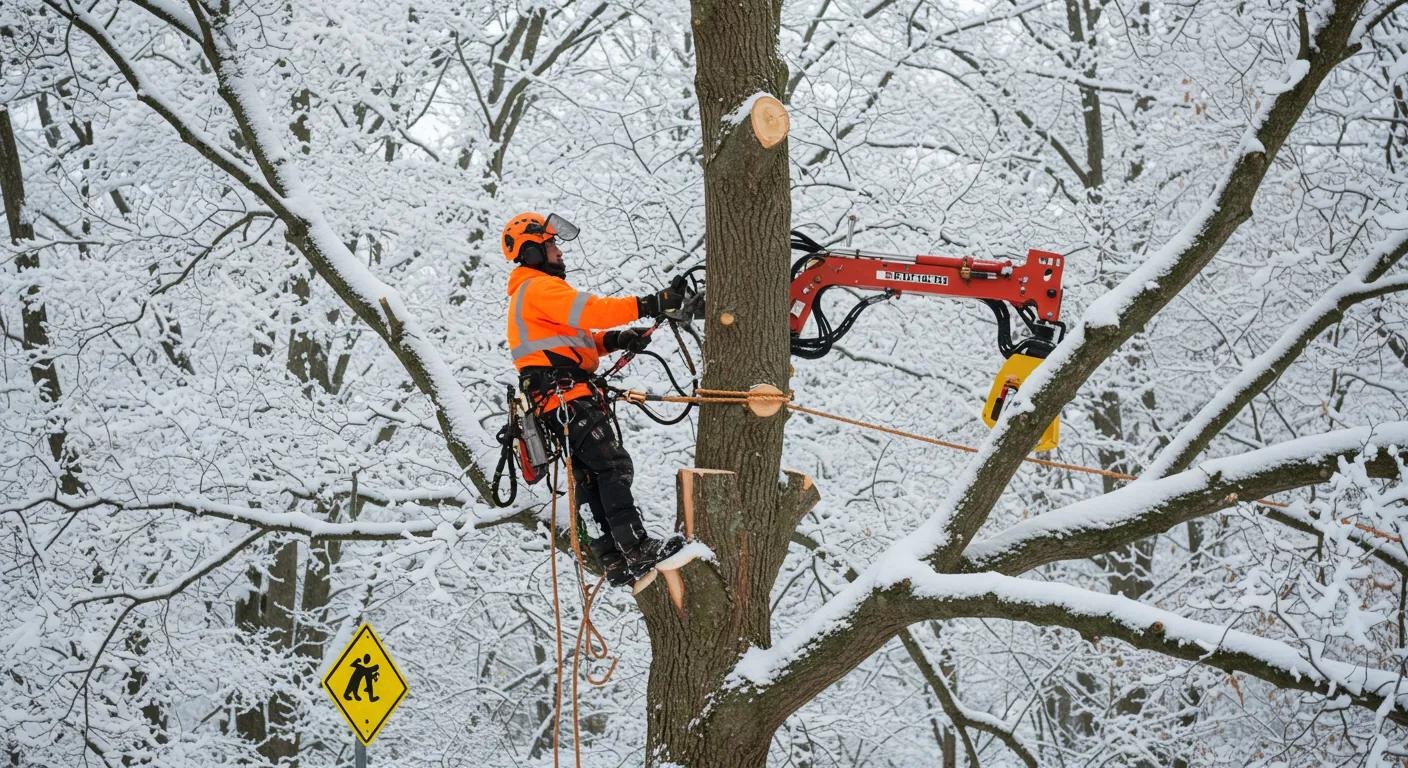
Winter tree removal delivers measurable benefits in safety, disease control, cost, and reduced landscape impact, making it a strategic choice for planned removals and pre-storm hazard mitigation. Removing trees while they are dormant lowers the chance of spreading pathogens and minimizes attractants for insects that could colonize fresh cuts. Crews can work more safely with leafless branches, improving rigging accuracy and lowering damage risk to structures and groundcover. Below is a focused list of the primary benefits so homeowners can quickly compare winter removal advantages.
- Improved Safety: Leafless canopies provide better sightlines for climbers and rigging crews, reducing accidental strikes and collateral damage.
- Reduced DiseaseRisk: Many pathogens and insects are inactive in winter, making fresh cuts less likely to become infection sites.
- Cost and Scheduling Advantages: Off-peak demand often enables faster scheduling and sometimes lower pricing than peak summer months.
These benefits combine to make winter removals a cost-effective and health-conscious option for many properties in the El Cajon area.
Before the table below, this quick comparison highlights how winter removal stacks up against other seasons across key outcome categories. The table summarizes benefits like safety, disease risk, cost, and landscape impact to help you prioritize timing for a given property.
| Benefit Area | Winter (Dormant) | Impact vs. Other Seasons |
|---|---|---|
| Safety & Visibility | High — leafless canopies improve rigging | Reduces accidental property damage |
| Disease & Pest Risk | Lower — pathogens/insects mostly inactive | Lowers post-cut treatment needs |
| Cost & Scheduling | Better flexibility, off-peak availability | Potential for lower quotes and quicker dates |
| Landscape Impact | Lower when ground firmer | Less soil compaction and vegetation damage |
This comparison shows winter removals typically reduce risk and can improve scheduling and cost outcomes compared with spring and summer options. For homeowners who want an evaluation of timing and expected costs, a free professional estimate can confirm whether winter timing is the best choice for their specific trees and landscape. Pedro’s Tree Service provides local assessments and scheduling guidance that help align timing with both tree physiology and property logistics.
How Does Winter Tree Removal Improve Safety and Visibility?
Leafless branches during winter create clearer sightlines for climbers and ground crews, which simplifies rigging paths and reduces the chance of falling debris striking hidden obstacles. Clear crowns allow teams to identify structural defects, weak unions, or internal decay that might be obscured in leaf-on months, enabling safer cutting decisions. Better visibility shortens job time by reducing guesswork and allows precise directional felling that protects nearby structures, utilities, and plantings. Safety protocols paired with experienced crews minimize property risk; choosing licensed and insured operators further protects homeowners financially and legally. Improving safety through winter timing therefore supports both immediate hazard reduction and long-term landscape preservation.
How Does Winter Timing Reduce Disease and Pest Spread?
Winter dormancy suppresses many fungal pathogens and insect vectors that thrive during warmer months, so fresh wounds from removal are less likely to become infection sites or attract wood-boring insects. This biological quiet period reduces the need for immediate remedial treatments after cutting and lowers the risk that nearby trees will become compromised by opportunistic pathogens. Industry guidance favors dormancy work for species prone to disease transmission via pruning wounds, as the reduced metabolic activity limits sap flow that can carry contaminants. Choosing removal dates that align with pathogen and pest cycles helps protect residual landscape health and reduces follow-up interventions.
Can Winter Tree Removal Save You Money?
Scheduling removals in winter often improves cost-effectiveness through lower seasonal demand and better crew availability, which can translate into more competitive quotes and fewer rush charges. With improved scheduling flexibility, property owners avoid overtime and compressed timelines common in peak season, and crews can plan efficient multi-site runs that reduce mobilization costs per job. While regional market rates vary, industry trends indicate conservative savings when work is booked outside peak summer months; the actual dollar savings depend on tree size, complexity, and local market conditions. For a precise estimate tailored to your property, request a free estimate from a licensed local provider to compare pricing and scheduling options for winter versus other seasons.
What Seasonal Challenges Affect Tree Removal in Spring, Summer, and Fall?
Each non-winter season presents distinct operational and ecological challenges that affect tree removal cost, timing, and tree recovery; understanding these trade-offs helps homeowners pick the best window for removal. Spring brings active growth and nesting wildlife that can restrict timing or require surveys, increasing complexity. Summer raises demand and heat-related crew safety concerns that can lengthen job time and raise labor costs. Fall offers an opportunity for pre-winter hazard removal as leaf drop reveals structural issues, but rainy periods can complicate heavy equipment access. Below is a season-by-season analysis to help evaluate trade-offs for El Cajon properties.
- Spring: Active sap flow, new growth complexity, and nesting bird protections can delay or limit removal work.
- Summer: Peak demand, full foliage complexity, and heat-safety protocols increase cost and scheduling constraints.
- Fall: Leaf drop reveals hazards and enables pre-winter work, but wet soils and storm windows may affect timing.
This seasonal overview highlights practical considerations that property owners should weigh when planning removals and when seeking professional assessments for timing and permit needs.
Before presenting the comparative table, here is a checklist homeowners can use to evaluate seasonal trade-offs for their property: assess canopy visibility, check for nesting signs, review ground access and soil conditions, and consider local storm patterns for fall scheduling. The table below summarizes primary challenges and their impacts on cost, timing, and tree health.
| Season | Primary Challenge | Impact on Cost/Timing/Tree Health |
|---|---|---|
| Spring | Sap flow & nesting wildlife | Potential delays, increased debris and post-work stress |
| Summer | Full foliage & high demand | Higher quotes, slower work, heat-safety limitations |
| Fall | Rain windows & leaf drop | Good hazard detection but access may be limited by wet soil |
This comparison helps prioritize scheduling choices: if nesting surveys or high foliage complexity are present, delay to dormancy; if storm risk is imminent in fall, prioritize pre-storm removal.
What Are the Risks of Spring Tree Removal in El Cajon?
Spring removals face elevated sap flow and active growth that can increase stress on surrounding vegetation and create messy sap-related cleanups. Nesting birds and other protected wildlife may be active, legally restricting removal windows and requiring surveys or adjusted timing. New foliage complicates climbing and rigging by hiding defects and adding bulk to cuts, which increases time on site and potential for equipment complexity. These factors can raise costs and extend schedules compared with dormant-season work. Given these complications, many property owners weigh spring removals only when immediate safety or construction timelines make it necessary.
Why Is Summer Tree Removal More Difficult and Costly?
Summer brings peak demand as many homeowners schedule landscaping projects, which drives up pricing and reduces scheduling flexibility for tree crews. Full foliage increases canopy weight and complexity, making rigging and limb-by-limb removal slower and more labor-intensive. Heat forces additional safety protocols for crews, such as shorter shifts, extra hydration breaks, and altered start times, which can extend job durations and increase labor costs. Combined, these operational pressures make summer removals generally more expensive and logistically challenging than dormant-season alternatives.
How Does Fall Tree Removal Prepare Your Property for Winter?
Fall offers a valuable planning window: leaf drop reveals structural defects, weak unions, and dead branches that were hidden during the growing season, enabling targeted hazard removal before winter storms. Performing removals in fall reduces the chance that wind and rain will turn a questionable tree into an immediate emergency, protecting roofs, vehicles, and outbuildings. Fall assessments also help prioritize which trees should be removed in the early dormant season to take advantage of firmer ground and lower demand. Scheduling removals in early fall, ahead of major storm cycles, reduces emergency call-outs and protects landscape investments into winter.
When Is Emergency Tree Removal Necessary Compared to Seasonal Planning?
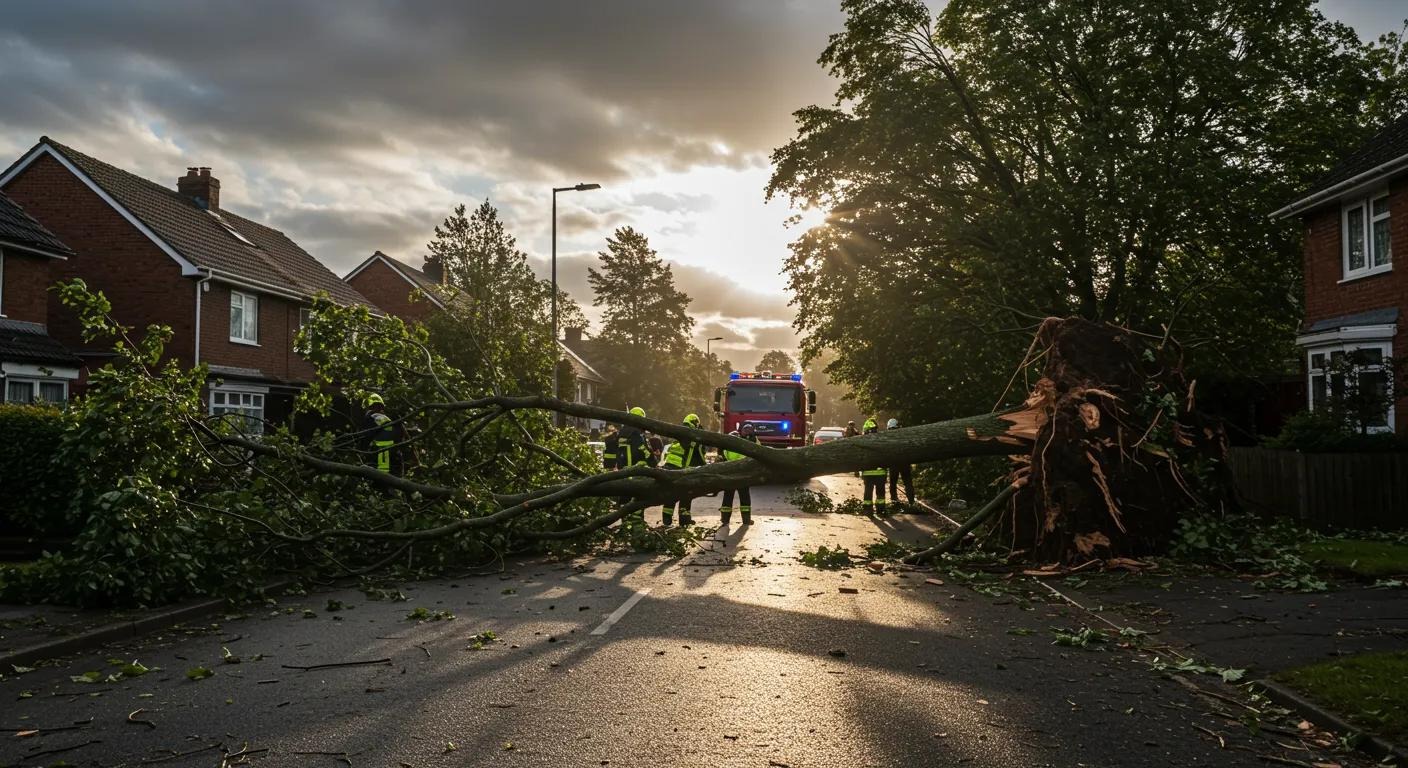
Emergency removal is distinct from planned seasonal work: it addresses immediate hazards that threaten life, property, or critical infrastructure and requires prompt professional response. Examples include trees uprooted or severely split by storms, large limbs suspended over occupied structures, or rapidly leaning trunks that present imminent collapse risk. Assess urgency by scoring hazards: immediate danger (collapse imminent), high risk (serious structural failure probable), and moderate risk (requires soon scheduling). Proper seasonal maintenance and hazard assessment reduce emergency occurrences, but reliable emergency response protocols remain essential for public safety and property protection. The guidance below helps homeowners decide whether to call for emergency services or schedule planned removal.
- Immediate Danger: Active failure with people or structures at risk — contact emergency services and a tree professional immediately.
- High Risk: Significant structural damage or large suspended limbs — schedule immediate professional response.
- Moderate Risk: Identified hazard without imminent collapse — plan expedited seasonal removal.
Following these triage levels helps homeowners take appropriate immediate steps, secure the area, and engage qualified professionals who can stabilize the situation and prevent secondary damage.
| Situation (Hazard Type) | Urgency Level | Recommended Response |
|---|---|---|
| Uprooted or fallen tree blocking access | Immediate | Secure area, contact emergency arborist |
| Large split trunk over structure | Immediate | Evacuate nearby area, request urgent removal |
| Hanging limbs after storm | High | Schedule immediate expert removal or stabilization |
| Leaning tree near property | Moderate to High | Assess with professional; plan removal if risk escalates |
This matrix clarifies when immediate action is required versus when seasonal planning can address the problem with less disruption.
What Situations Require Immediate Tree Removal in El Cajon?
Immediate removal is warranted when a tree or large branch poses a clear and present danger—examples include uprooted trunks leaning toward occupied structures, major splits exposing inner wood, and storm-damaged limbs suspended over high-traffic areas. In these cases, the priority is to cordon the hazard zone, prevent access beneath the tree, and contact emergency tree professionals who can safely stabilize or remove the threat. Prompt action prevents secondary damage such as roof collapse, vehicle loss, or injury. After immediate stabilization, follow-up planning should schedule comprehensive assessments to prevent recurrence and address root causes like disease or compromised root systems.
How Does Pedro’s Tree Service Support Year-Round Emergency and Seasonal Removal?
Pedro’s Tree Service offers emergency response as part of its service mix and integrates rapid intervention with seasonal planning to reduce future risks and costs. As a family-owned local firm serving El Cajon and surrounding San Diego communities, the company emphasizes licensed, insured operations and 100 percent customer satisfaction while handling both urgent removals and planned projects. Their emergency capability helps stabilize dangerous situations quickly, and follow-up seasonal planning addresses structural concerns or landscape recovery to prevent repeat incidents. Homeowners needing immediate help or a free estimate for follow-up work can contact Pedro’s Tree Service to request assessment and scheduling—this ensures hazards are handled promptly and future timing aligns with tree health considerations.
How Does Seasonal Timing Impact Tree Health and Property Safety?
Timing removals with tree physiology and weather patterns affects wound recovery, adjacent root health, and the broader landscape, influencing both immediate safety and long-term ecosystem outcomes. Removing during dormancy reduces sap loss and physiological stress on residual trees, improving wound closure rates and enabling healthier recovery for neighboring plants. Carefully timed removal helps preserve soil structure and plantings by avoiding wet-ground heavy equipment lifts, and it respects wildlife considerations such as nesting seasons. The following guidance covers how proper timing supports both tree health and property protection so homeowners can plan interventions that minimize harm.
- Timing affects wound response and recovery rate, with dormancy reducing metabolic stress.
- Seasonal choices influence root and soil impact; firmer ground lessens compaction.
- Respecting wildlife seasons minimizes habitat disruption while fulfilling safety needs.
These considerations tie directly to selection of removal windows, post-removal care, and strategies for restoring affected landscape areas after work is completed.
How Does Proper Timing Minimize Tree Stress and Promote Recovery?
Removing trees during dormancy minimizes sap loss and metabolic disruption, helping adjacent trees conserve energy for wound closure and root maintenance. Dormant timing reduces the physiological shock to the surrounding root systems and lowers the likelihood of opportunistic pathogens exploiting fresh wounds. Post-removal care—such as mulching, targeted watering schedules, and avoiding heavy equipment over root zones—supports recovery and preserves the health of remaining trees. By coordinating removals to align with these biological recovery windows, property owners can protect the broader landscape and reduce long-term maintenance costs associated with stressed vegetation.
How Does Seasonal Removal Protect Your Landscape and Wildlife?
Strategic timing balances hazard removal with habitat preservation by avoiding active nesting seasons and using mitigation like pre-work surveys to relocate wildlife if necessary. Performing removals when ground conditions are favorable and crews can minimize disturbance reduces soil compaction and protects understory plants. Techniques such as sectional dismantling, staged removals, and isolating critical root zones help protect surrounding vegetation and preserve beneficial soil structure. Combining seasonal sensitivity with careful operational methods protects both landscape assets and local wildlife populations while meeting safety objectives.
Why Choose Pedro’s Tree Service for Seasonal Tree Removal in El Cajon?
Pedro’s Tree Service is a family-owned and operated local provider serving El Cajon and surrounding San Diego communities, offering comprehensive tree services that include tree removal, trimming, stump grinding, and emergency response. The company operates as a lead generation and information hub focused on getting homeowners safe, timely professional help while emphasizing safety and customer satisfaction. Pedro’s is fully licensed and insured, which supports secure, code-compliant work and financial protection for clients during both seasonal projects and emergency interventions. For property owners seeking evaluations, Pedro’s offers free estimates and scheduling flexibility that align with dormant-season advantages and emergency response needs.
- Family-owned local expertise serving El Cajon and nearby communities.
- Services: tree removal, trimming, stump grinding, emergency services.
- Fully licensed and insured with a focus on safety and 100 percent customer satisfaction.
What Makes Pedro’s Tree Service a Trusted Local Expert?
Pedro’s Tree Service emphasizes local experience and responsiveness for El Cajon properties, combining hands-on knowledge of regional climate patterns with qualified crews who follow safety-first practices. Being family-owned and focused on community needs, the firm stresses licensed and insured operations to protect clients and ensure professional standards. Their service range—removal, trimming, stump grinding, and emergency support—matches the typical lifecycle needs of residential and small commercial landscapes in the San Diego area. These credentials support reliable seasonal planning and follow-up care designed to preserve tree health and minimize landscape disruption.
How Can You Get a Free Estimate for Seasonal Tree Removal?
To request a free estimate, homeowners can contact Pedro’s Tree Service to arrange an on-site safety assessment and scheduling consultation; the evaluation typically includes a visual hazard review, scope of required work, and rough cost and timing options. During the free estimate, expect the crew to discuss optimal timing—such as recommending dormant-season removal for reduced disease risk—and outline follow-up care like stump grinding and landscape protection measures. Free estimates help property owners compare seasonal cost and scheduling trade-offs and make informed decisions about whether to proceed with immediate safety work or schedule planned winter removals. Requesting an estimate is the easiest way to align professional recommendations with your property’s specific needs and timing preferences.
Frequently Asked Questions
What are the signs that a tree needs to be removed?
Signs that a tree may need removal include visible decay, large cracks in the trunk, dead branches, and significant leaning. Additionally, if the tree is infested with pests or diseases that compromise its structural integrity, it may pose a risk to nearby structures and people. Other indicators include root damage, soil erosion around the base, and if the tree is obstructing power lines or pathways. Regular inspections by a professional arborist can help identify these issues early and determine the best course of action.
How can I prepare my property for tree removal?
Preparing your property for tree removal involves several steps. First, clear the area around the tree of any obstacles, such as furniture, vehicles, or garden decorations, to ensure a safe working environment. Next, inform your neighbors about the scheduled removal, especially if the tree is close to property lines. Additionally, consider marking any underground utilities to avoid damage during the removal process. Finally, ensure that pets and children are kept indoors or away from the work area for their safety.
What should I expect during the tree removal process?
During the tree removal process, you can expect a professional team to arrive with the necessary equipment, such as chainsaws, ropes, and safety gear. The crew will assess the tree and surrounding area before beginning work. They will typically start by removing branches to reduce the tree’s height and weight, followed by cutting the trunk into manageable sections. Safety protocols will be followed to protect both the crew and your property. After removal, the team will clean up debris and may offer stump grinding services if requested.
Are there any regulations for tree removal in El Cajon?
Yes, there are regulations regarding tree removal in El Cajon, particularly for protected species or trees located in certain zones. Homeowners may need to obtain a permit before removing specific trees, especially if they are considered significant to the local ecosystem or community. It’s essential to check with the local city or county regulations and consult with a professional arborist who can guide you through the permitting process and ensure compliance with local laws.
What are the benefits of hiring a professional for tree removal?
Hiring a professional for tree removal offers numerous benefits, including safety, expertise, and efficiency. Professionals are trained to assess the condition of trees and determine the safest removal methods, reducing the risk of accidents or property damage. They also have the right equipment and experience to handle complex removals, especially in tight spaces or near structures. Additionally, professionals can provide advice on post-removal care and help with stump grinding or landscaping restoration, ensuring a comprehensive approach to tree management.
How can I maintain the health of my remaining trees after removal?
To maintain the health of your remaining trees after removal, focus on proper care and monitoring. Ensure that the soil around the remaining trees is well-aerated and not compacted, as heavy equipment can damage root systems. Regularly water the trees, especially during dry spells, and apply mulch to retain moisture and suppress weeds. Monitor for signs of stress or disease, and consult an arborist for any necessary treatments. Additionally, consider planting new trees to enhance your landscape and promote biodiversity.
Conclusion
Understanding the optimal timing for tree removal in El Cajon can significantly enhance your landscape’s health and safety while also saving you money. By choosing to remove trees during the dormant season, you minimize risks associated with disease and ensure a smoother recovery for surrounding vegetation. For homeowners looking to make informed decisions, requesting a free estimate from a local expert can provide tailored insights and recommendations. Take the next step towards a healthier landscape by contacting Pedro’s Tree Service today. Request your free estimate now and get expert guidance tailored to your property!