Tree removal costs in El Cajon, CA, depend on factors such as tree size, species, condition, accessibility, and permit requirements. In 2026, typical local ranges reflect San Diego County labor and equipment rates. This guide explains how prices are calculated, what optional services add to the invoice, when permits are required, and how emergency response changes pricing—so you can assess likely costs before requesting a Free Estimate. Homeowners will learn species-specific examples for palms, oaks, and eucalyptus, step-by-step permit guidance for El Cajon, and transparent emergency surcharge mechanics. The article also shows how stump grinding, debris hauling, and restricted access affect final pricing and offers clear next steps to request an on-site, no-obligation Free Estimate. Read on for quick-reference tables, checklist-style guidance, and practical tips that help you budget and prepare for a safe, compliant tree removal in El Cajon.
What Are the Average Tree Removal Costs in El Cajon, CA for 2026?

Average tree removal costs in El Cajon in 2026 generally reflect local labor rates, required equipment, and landfill/debris handling fees; small jobs can run a few hundred dollars while very large or complicated removals approach several thousand dollars. The following breakdown gives a quick local reference for budgeting and planning, and it highlights common add-ons like stump grinding and debris hauling that typically appear on final invoices. Understanding the cost bands helps homeowners decide whether to trim, prune, or fully remove a tree and prepares them for permit or access-related charges. After reviewing these ranges, many readers opt to request a Free Estimate to get a precise, on-site price from a licensed provider.
Common El Cajon tree size categories and associated local price bands are shown below for quick comparison.
| Tree Size Category | Typical Cost Component | USD Range |
|---|---|---|
| Small (up to 30 ft) | Felling, basic cleanup | $300 – $700 |
| Medium (30–60 ft) | Multi-crew, chip/haul | $700 – $1,600 |
| Large (60–100 ft) | Lift or crane, extra crew | $1,600 – $4,000 |
| Extra-large (100+ ft / complex) | Crane + extended crew & permits | $4,000 – $9,000+ |
This table shows typical local ranges; actual price depends on access, species, and hazard level. If you want a precise, site-specific quote, request a Free Estimate from a licensed local provider using the contact details provided later in this article.
What Is the Typical Price Range for Small, Medium, and Large Trees?
Small trees—generally under 30 feet—are the most affordable to remove because they require less rigging and can often be handled by a two-person crew using chainsaws and utes for debris.
Medium trees (30–60 feet) typically need additional labor hours, a chipper, and sometimes a boom lift; costs rise due to increased crew time and disposal weight.
Large trees (60–100 feet) may require aerial lifts, sectional felling, extra crew, or even crane work when space is constrained, which significantly increases the price. These size-based cost drivers reflect equipment thresholds and safety protocols that directly translate into hourly labor and specialized gear fees.
How Do Stump Grinding and Debris Removal Affect Total Costs?
Stump grinding and debris removal are common optional services that add predictable line items to a tree removal invoice, and they are priced differently depending on stump diameter, proximity to structures, and haul distance. Stump grinding is often charged by diameter and can add a few hundred dollars for small stumps to several hundred for large or root-bound stumps. Debris removal pricing varies by the amount of green waste—some companies charge by truckload, others by cubic yard or hourly labor; hauling to green waste facilities or municipal transfer stations also adds disposal fees. When preparing a budget, include both stump grinding and debris hauling as separate estimates to avoid surprises on the final bill.
What Key Factors Influence Tree Removal Prices in El Cajon?
Tree removal pricing in El Cajon is driven by a predictable set of factors: size and height, species and trunk structure, tree health and hazard level, location and accessibility, and permit or inspection requirements. Each factor interacts—large trees near powerlines or houses often trigger the need for specialized crews and equipment, which multiplies base costs. Knowing how these variables affect pricing helps homeowners prioritize safety, prepare site access, and plan for permit-related delays or fees. Where optional services like stump grinding, debris hauling, or permit assistance are needed, working with a licensed and insured provider ensures those tasks are completed efficiently and within local regulations.
Key cost drivers include the following:
- Tree size and height increase required labor and equipment.
- Species and trunk complexity affect time to section and remove.
- Health and hazard levels raise safety precautions and insurance exposure.
- Location and access determine whether cranes or manual labor are needed.
- Permit requirements can add fees and processing time to projects.
These cost drivers form the foundation of every formal estimate and highlight why accurate on-site assessments are essential before committing to a removal plan.
How Does Tree Size and Height Impact Removal Costs?
Tree size and height directly determine necessary crew size, working hours, and equipment—small jobs often require a two-person crew and a chipper, while taller trees can need a bucket truck, multiple climbers, or a crane for safe removal. For example, trees exceeding 60 feet frequently require sectional removal using lifts or cranes, which increases mobilization and hourly costs substantially. Larger trees also generate more debris to chip and haul away, which affects disposal fees and truck time. When estimating, companies calculate labor hours, equipment rental, and disposal per size bracket, resulting in the size-to-price relationship homeowners see on quotes.
Which Tree Types in El Cajon Affect Removal Pricing?
Species matter: palms, oaks, and eucalyptus—common in El Cajon—each present unique removal challenges that affect labor and method. Tall palms are labor-intensive because of height and the need to remove heavy fronds safely, while multi-trunk oaks require careful sectioning to avoid property damage and often take longer to dismantle. Eucalyptus trees can shed heavy limbs unpredictably and may demand additional rigging or hazard mitigation. Species-specific wood density and trunk form influence cutting time and chip volume, which in turn affect total cost estimates for removal.
How Does Tree Condition and Health Change the Cost?
Unhealthy, dead, or structurally compromised trees raise risk levels and typically increase the price due to mandatory safety protocols, extra crew, and sometimes specialized rigging to control unpredictable breaks. Diseased trees may require more careful sectional removal to prevent falling debris from causing damage, and rot can force crews to use different cutting strategies that are slower but safer. Insurance considerations for hazardous removals can translate into surcharges, and the added time to stabilize or brace a tree before cutting is reflected in higher labor totals. Protecting property and people justifies these increased costs.
How Does Location and Accessibility Affect Pricing?
Accessibility determines whether crews can use standard equipment or must resort to manual lowering, specialized lifts, or cranes; narrow side yards, gated properties, and proximity to buildings or powerlines increase labor and equipment needs. For example, a backyard that requires hand-lowering and small-bundle removal will take more hours than a front-yard tree with direct truck access. Restricted access often requires more manual labor and time, adding to the invoice, while convenient sites can be completed faster with lower costs. Planning clear access paths and removing obstacles beforehand helps reduce on-site time and total cost.
What Are the Permit Requirements for Tree Removal in El Cajon?
Certain removals in El Cajon trigger municipal permits—especially for protected species, street trees, or trees above specified diameter thresholds—and permit requirements can add both fees and processing time to a project. Permit scenarios include public-right-of-way removals, protected native species, and trees that require replacement or mitigation plans; when a permit is needed, expect an application, review period, and inspection. Permit fees vary, and processing timelines can affect scheduling; confirming permit needs early in a project reduces delays and unexpected costs. For complex situations, professional assistance with permit paperwork can streamline the process.
Before applying for permits, follow this checklist of typical triggers:
- Protected trees or native species removal requests.
- Street or public-right-of-way tree work.
- Trees exceeding local diameter thresholds or requiring mitigation.
Consulting the city before scheduling removal helps avoid rework and additional fees that can inflate project costs.
How Are Tree Removal Permits Obtained in El Cajon, CA?
Obtaining a tree removal permit in El Cajon involves identifying whether a tree meets criteria for protection, preparing documentation or photos, submitting an application to the appropriate city department, and awaiting review and possible inspection. The process balances conservation goals with private property rights, and when a permit is required the city typically assesses whether removal is justified and whether mitigation is needed. Understanding the local steps reduces surprises and allows homeowners to anticipate processing time and associated fees. Many residents choose to have a licensed tree service help prepare the application and handle inspections to ensure compliance.
Follow these numbered steps to navigate the permit process efficiently:
- Photograph the tree and measure trunk diameter at the standard height.
- Check whether the species or location (e.g., street tree) triggers a permit.
- Complete the city application and provide supporting documentation and photos.
- Submit the application and schedule any required inspection.
- Receive approval or conditions, then schedule the removal within permit terms.
Using a contractor familiar with local permit protocols often reduces processing time and avoids application errors that could delay the project.
When Is a Permit Required for Tree Removal?
Permits are generally required for street trees, protected species, and trees that exceed local diameter thresholds, and when removal affects public-right-of-way or requires mitigation planting. If you are unsure whether a tree is protected, a quick check of species and trunk diameter against city guidelines clarifies permit likelihood. Homeowners should assume that trees adjacent to sidewalks or public easements may need review. When in doubt, submit preliminary photos and size notes to the city or consult a licensed arborist to confirm whether a formal permit application is necessary.
What Is the Process and Cost for Getting a Tree Removal Permit?
The process typically includes application submission with photos and property details, municipal review that may include site inspection, and issuance of approval or denial with any mitigation conditions; fees vary based on scope and whether replacement is required. Typical permit fees can be modest for single-tree removals but rise when professional assessments or mitigation planting plans are necessary. Turnaround times depend on workload and whether an inspection is scheduled; plan for review windows when scheduling a removal. Hiring a licensed, insured company that offers permit assistance can simplify paperwork and reduce scheduling delays.
How Much Does Emergency Tree Removal Cost in El Cajon?
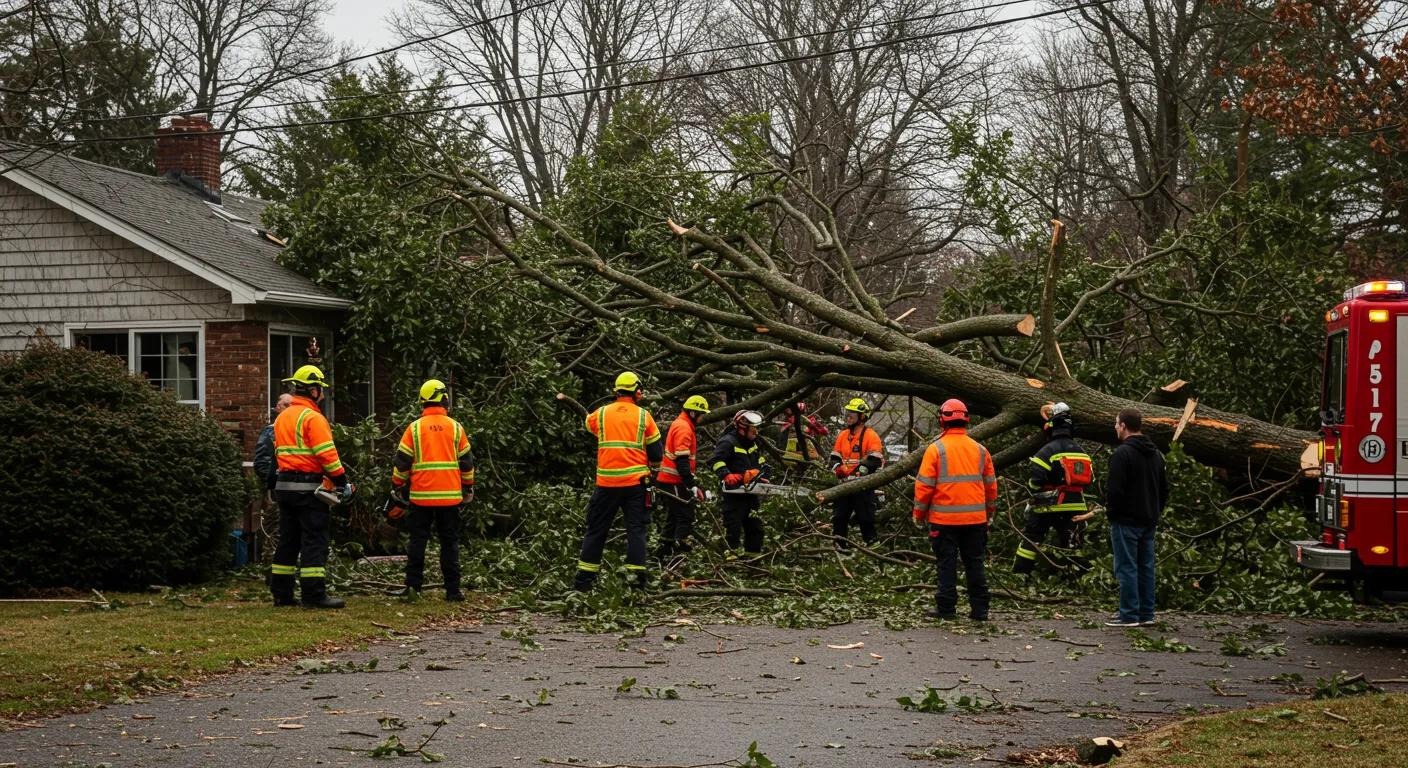
Emergency tree removal in El Cajon often costs more than scheduled removals because crews must mobilize quickly, sometimes outside normal working hours, and take additional safety precautions to stabilize hazardous trees. Emergency pricing generally reflects higher labor rates for rapid response, possible overtime premiums for nights or weekends, and the urgent need for specialized rigging or extra crews to protect people and property. Understanding typical emergency surcharges and the factors that increase urgency helps homeowners prepare realistic budgets and decide when to call for immediate help. If a tree poses imminent danger, contact a qualified emergency tree service promptly to reduce risk.
| Emergency Factor | Typical Additional Cost Type | Example Surcharge |
|---|---|---|
| Response time / immediate dispatch | Mobilization & overtime | 20%–50% of base cost |
| Time of day (night/weekend) | Shift premium | Flat fee or 25%–75% increase |
| Hazard level (powerlines / structural risk) | Extra crew & rigging | $300–$1,500+ depending on risk |
| Weather conditions | Safety delay or rescheduling | Variable; may add labor days |
This table clarifies how urgency and hazard elevate costs; for critical hazards, prioritize immediate contact with a licensed emergency tree service.
What Factors Cause Higher Costs for Emergency Tree Removal?
Higher emergency costs stem from immediate mobilization, overtime pay, added safety equipment, and potential coordination with utilities when powerlines are involved. Nighttime or weekend responses often incur premium charges because crews are called outside normal schedules and must work under less-than-ideal conditions. When trees threaten structures or electrified lines, additional rigging, traffic control, or utility coordination can substantially increase labor and administrative fees. These realities explain why emergency responses are priced differently from planned removals and why early prevention or routine maintenance can be more cost-effective than emergency intervention.
How Can You Get Fast, Affordable Emergency Tree Services?
To reduce emergency costs, prepare clear access routes, remove parked vehicles near the tree, and provide photos and exact location details when calling so responders can plan equipment needs before arrival. Prioritizing hazards—securing immediate threats to people or utilities—lets crews focus resources efficiently and may lower time-on-site compared with attempting full cleanup during the first visit. Working with a locally licensed, insured emergency provider that offers quick assessment and transparent pricing helps manage costs; in urgent cases, call the provider by phone for the fastest response and mention the immediate hazard to expedite dispatch.
If you have an urgent tree hazard, calling the company phone number directly speeds assistance: 619-257-2458. For non-urgent estimate requests, email photos and details to pedrostreeservice751@gmail.com and request a Free Estimate.
Why Choose Pedro’s Tree Service for Affordable Tree Removal in El Cajon?
Choosing a local, licensed, and insured provider reduces risk, ensures compliance with municipal requirements, and often speeds permitting and scheduling—factors that directly influence final cost and project success. Pedro’s Tree Service offers Free Estimates, stump grinding, debris hauling, trimming, and emergency tree services, combined with a customer-satisfaction guarantee that addresses both quality and value. Family-owned and operated with local San Diego area experience, the company emphasizes clear quotes, licensed crews, and insured operations to protect property and people. A reliable contractor reduces unexpected expenses by identifying permit needs, recommending the appropriate scope of work, and handling disposal and documentation.
Key trust signals and service features include the following:
- Free Estimates: On-site assessment and transparent pricing with no-obligation quotes.
- Licensed & Insured: Professional coverage that protects homeowners and crews.
- Emergency Availability: Rapid response options for hazardous trees and storm damage.
These features help homeowners budget accurately and reduce surprises during and after tree removal.
What Makes Pedro’s Tree Service Reliable and Licensed?
Pedro’s Tree Service is presented as a family-owned, locally focused company serving the San Diego area with standard professional credentials and insurance coverage, which mitigates liability during tree work. Licensed and insured crews follow safety protocols, carry appropriate equipment for most residential and some complex jobs, and provide documented estimates that outline scope, exclusions, and optional services like stump grinding. The combination of local knowledge, clear communication, and formal insurance helps homeowners manage risk and ensures that removals are performed to municipal standards. Working with a licensed provider also simplifies permit coordination when that is required.
How Does Pedro’s Offer Free Estimates and Quick Service?
Pedro’s Tree Service provides Free Estimates by scheduling an on-site visit to evaluate tree size, access, species, and any permit implications, then delivering a written, no-obligation quote that outlines recommended actions and optional add-ons. Scheduling is typically done by phone for the fastest response or by email for photos and preliminary assessments; providing images and property access notes in advance speeds the on-site visit. The Free Estimate includes a scope of work breakdown, recommended safety measures, and optional stump grinding or debris removal pricing, enabling homeowners to compare options and make informed decisions without pressure.
How Can You Get a Free Tree Removal Estimate in El Cajon, CA?
Requesting a Free Estimate is the most effective way to convert general cost ranges into a precise, site-specific quote that accounts for size, species, access, hazards, and permit needs. To obtain an accurate Free Estimate, prepare photos and measurements, note access constraints, and decide whether you want add-on services such as stump grinding or debris hauling. Many homeowners find that emailing photos in advance or calling by phone expedites scheduling and helps the estimator bring the right tools to the site. Clear preparation and sharing relevant information beforehand reduces on-site assessment time and improves estimate accuracy.
The following checklist helps you prepare before requesting a Free Estimate:
- Photos of the tree from multiple angles including base to canopy.
- Approximate tree height and trunk diameter (or a tape measure reading).
- Notes on proximity to structures, fences, driveways, and powerlines.
- Access details: gate width, backyard entry, and parking availability.
- Indication whether stump grinding and debris hauling are desired.
What Information Do You Need to Request an Accurate Estimate?
An accurate Free Estimate requires clear photos, approximate height and trunk diameter, and notes about nearby structures, utilities, and access constraints so the estimator can anticipate equipment and crew needs. Including whether you want stump grinding or debris removal in the initial inquiry helps the estimator present a full-cost scenario. Mention any recent tree damage or signs of disease to highlight potential hazards that affect pricing and safety. Providing this information in advance reduces on-site inspection time and improves the precision of the written, no-obligation estimate.
How to Contact Pedro’s Tree Service for Your Free Estimate?
For the fastest response in El Cajon, call Pedro’s Tree Service at 619-257-2458 to describe your needs and request a Free Estimate; for non-urgent inquiries you may email photos and details to pedrostreeservice751@gmail.com to begin the assessment process. When calling, describe the tree species if known, approximate height and trunk diameter, access notes, and whether there is an immediate hazard; this helps the scheduling team allocate appropriate resources. Requesting a Free Estimate triggers an on-site visit where a licensed professional will provide a written quote with scope, permit guidance, and optional service pricing.
Frequently Asked Questions
What are the common additional services offered during tree removal?
In addition to tree removal, many companies offer services such as stump grinding, debris hauling, and tree trimming. Stump grinding involves removing the tree stump below ground level, which can prevent regrowth and improve aesthetics. Debris hauling is the process of removing branches and leaves from the site, which can be charged by weight or volume. Tree trimming may also be recommended to maintain the health of surrounding trees or to improve visibility. These services can add to the overall cost, so it’s important to discuss them during the estimate process.
How can I prepare for a tree removal estimate?
To prepare for a tree removal estimate, gather relevant information about the tree, including its height, trunk diameter, and species. Take clear photos from multiple angles, noting any nearby structures or obstacles that may affect access. Additionally, consider whether you want additional services like stump grinding or debris removal. Providing this information upfront can help the estimator give a more accurate quote and save time during the on-site assessment.
What should I do if my tree is leaning or damaged?
If you notice that a tree is leaning or has sustained damage, it’s important to assess the situation promptly. Leaning trees can pose a risk to nearby structures and people, especially during storms. Contact a licensed tree service company to evaluate the tree’s condition and determine if removal or stabilization is necessary. In some cases, a professional may recommend cabling or bracing to support the tree, but if it poses a significant hazard, removal may be the safest option.
Are there any seasonal considerations for tree removal?
Yes, seasonal factors can influence tree removal costs and scheduling. For instance, tree removal is often more challenging during wet or snowy conditions, which can increase labor time and equipment needs. Additionally, some tree species are best removed during their dormant season to minimize stress on the surrounding ecosystem. Planning your tree removal during the off-peak season can also lead to lower costs and better availability of tree service providers.
What are the risks of DIY tree removal?
DIY tree removal can be dangerous and is often not recommended, especially for large or hazardous trees. Risks include personal injury from falling branches, improper use of equipment, and potential damage to property. Additionally, without proper knowledge of tree biology and local regulations, homeowners may inadvertently violate laws or cause environmental harm. Hiring a licensed professional ensures safety, compliance, and proper handling of the removal process.
How can I ensure the tree removal service is reputable?
To ensure you hire a reputable tree removal service, check for licensing and insurance, read customer reviews, and ask for references. A reliable company should provide clear, written estimates and be willing to explain their processes and safety measures. Additionally, look for certifications from professional organizations, which indicate a commitment to industry standards. Trust your instincts; if something feels off during the initial consultation, it may be best to seek another provider.
How Much Does It Cost to Cut Down a Tree in El Cajon?
A typical single-tree removal in El Cajon usually falls between $300 for small trees and several thousand dollars for very large, complex removals; exact costs depend on size, access, species, and hazard. For precise pricing, request a Free Estimate with photos and access notes so the estimator can calculate labor, equipment, and disposal. This range helps homeowners decide whether to trim, remove, or pursue other mitigation strategies based on budget.
Do I Need a Permit for Tree Removal in El Cajon?
Yes—permits are commonly required for street trees, protected species, or trees above specific diameter thresholds; check local regulations or consult a licensed arborist to confirm whether your tree requires a permit. If a permit is required, expect application steps, review, and possible mitigation conditions that affect scheduling and cost. Getting permit guidance early prevents delays and potential fines.
How Much Does Stump Grinding Cost in El Cajon?
Stump grinding typically ranges from a low few hundred dollars for small stumps to several hundred dollars for large or difficult-to-access stumps, with costs driven by diameter and proximity to structures. Factors such as root depth, hard soil, and restricted access can raise grinding time and equipment needs. Ask for stump grinding pricing in your Free Estimate to include it clearly on the written quote.
What Factors Affect Tree Removal Prices the Most?
The top cost factors are tree size/height, accessibility/location, species and trunk structure, tree health/hazard level, and permit requirements—each adding equipment, labor, or administrative time. These drivers determine whether lifts, cranes, extra crew, or permit assistance are necessary and are the main variables that make one quote differ from another. Understanding these factors helps you interpret estimates and reduce unnecessary costs.
Are Emergency Tree Removal Services More Expensive?
Yes. Emergency services typically cost more due to rapid mobilization, overtime or off-hour premiums, and added safety measures required to stabilize hazards quickly. To minimize emergency costs, maintain regular tree inspections and clear access, and call an experienced emergency provider immediately when a dangerous situation arises. For urgent hazards, call 619-257-2458 for fastest assistance and to request emergency response.
Conclusion
Understanding the costs associated with tree removal in El Cajon empowers homeowners to make informed decisions about their property. By considering factors such as tree size, species, and accessibility, you can better anticipate expenses and avoid surprises. For a precise, no-obligation quote tailored to your specific needs, reach out for a Free Estimate today. Trusting a licensed provider like Pedro’s Tree Service ensures compliance and quality service for your tree removal project.
Ready to take the next step? Contact Pedro’s Tree Service now and schedule your hassle-free tree removal consultation today!