Tree removal for residential and commercial properties in El Cajon and greater San Diego requires a blend of safety, regulatory know-how, and the right equipment to protect people and assets. This guide explains how residential tree removal differs from commercial tree removal, breaks down local permit and cost considerations, and walks through emergency response and stump grinding best practices. Homeowners and property managers will learn when a removal is necessary, which cost drivers to expect, and how permits and municipal coordination affect timelines. The article maps key decision points—differences in scale and logistics, transparent cost ranges and an EAV comparison, permit workflows for El Cajon and San Diego County, emergency triage, and the role of professional stump grinding—so you can plan effectively. Read on for practical steps, checklists, and tables that make it easier to assess a removal project and take the next action.
Pedro’s Tree Service is a local, family-owned provider serving San Diego with licensed and insured arborist-led crews that handle residential and commercial tree removal, emergency response, and stump grinding. For property owners in El Cajon and surrounding neighborhoods seeking a clear, professional assessment, Pedro’s Tree Service offers free estimates to help determine scope, permits needed, and scheduling. Call 619-257-2458 or email pedrostreeservice751@gmail.com to request a free estimate and schedule services in San Diego County. This local contact option ensures a timely on-site evaluation before reviewing costs and compliance steps described below.
Why Choose Pedro’s Tree Service for Residential and Commercial Tree Removal?
Licensed and insured crews reduce liability and ensure safety when removing trees near homes, businesses, and public spaces. Choosing a provider with verified coverage and trained arborists mitigates risk to people and property, and licensed teams follow municipal regulations that often affect scheduling and permit approvals. This section outlines core trust signals and service features that help property owners decide between conventional providers and a locally focused, compliance-minded crew. Read on for specific credentials, satisfaction measures, and examples of how those practices protect your site and speed project completion.
Pedro’s Tree Service emphasizes licensed and insured operations, clear estimates, and emergency availability to support both homeowners and commercial property managers. Certified arborists perform site assessments that document hazards, required permits, and mitigation measures, while insurance protects property owners from on-site incidents and work-related damage. The company’s approach centers on safety protocols, equipment checks, and written estimates that outline scope and cleanup, which reduces surprises during mobilization. These practices also help streamline permit submissions and contractor coordination that often complicate commercial removals.
This provider supports customer confidence through a service model focused on satisfaction and property protection, which includes pre-job protection plans, careful debris handling, and documented completion checks. The satisfaction guarantee is backed by follow-up communication and a commitment to thorough cleanup and site restoration to municipal standards. For businesses and HOAs, the same safety protocols extend to traffic control and staged removals that minimize disruption during daytime operations. These operational details set the stage for understanding why commercial projects require different logistics than residential jobs.
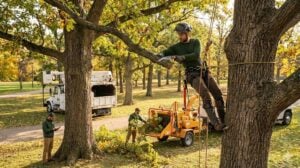
What makes licensed and insured arborists the best choice is their training, equipment familiarity, and adherence to safety standards essential for complex removals. Trained arborists can evaluate tree health, structural risk, and the need for engineered rigging, cranes, or traffic control, which is especially relevant for commercial sites and trees near utilities. This expertise reduces the chance of collateral damage and ensures removals proceed efficiently. The next section explores how these operational differences translate into distinct removal needs between residential and commercial properties.
What Makes Our Licensed and Insured Arborists the Best Choice?
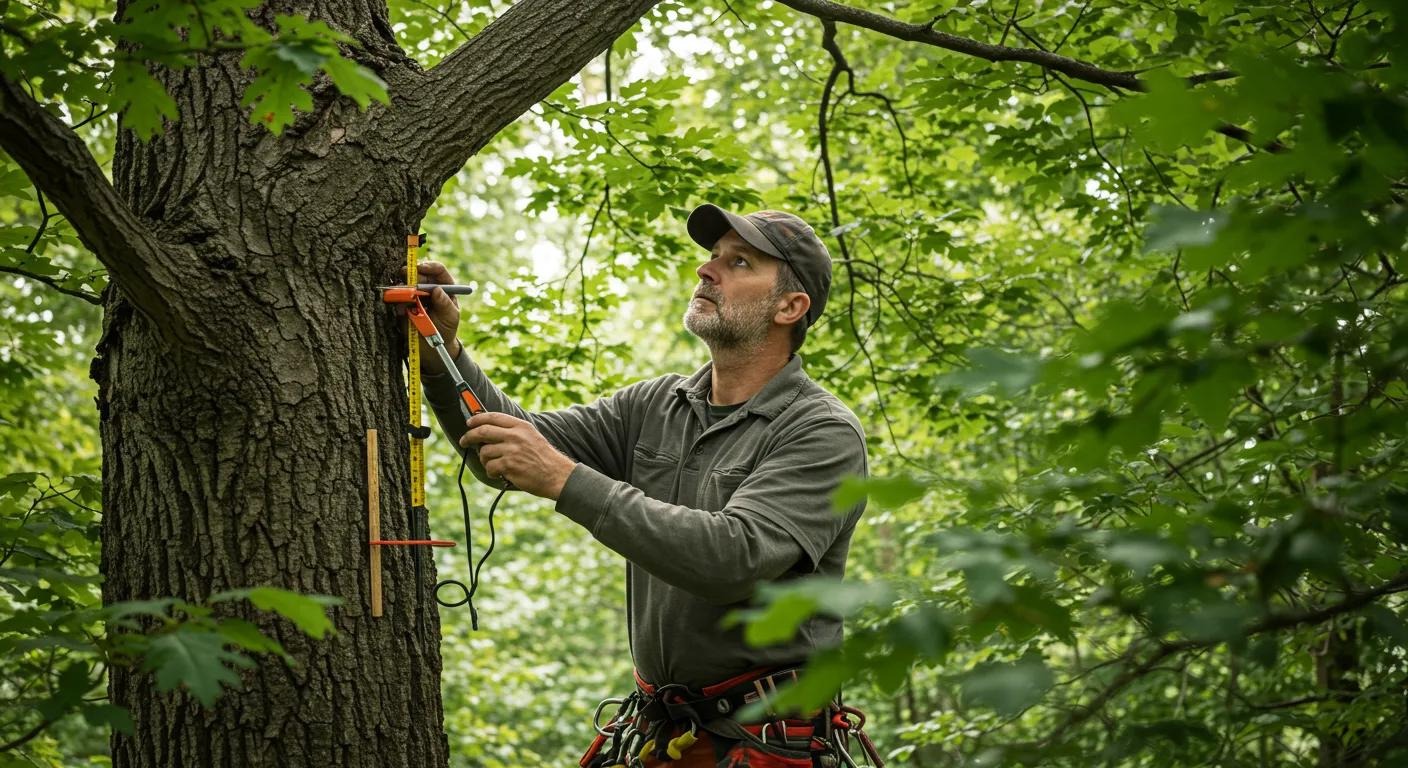
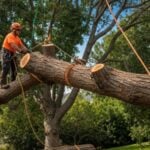
Licensed arborists combine formal credentialing with hands-on experience to assess tree health and design safe removal plans for both yards and large sites. Their training covers rigging, aerial rescue awareness, and equipment selection—skills that matter when trees are near structures, roads, or utilities. Insurance coverage complements licensing by protecting property owners from liability related to on-site incidents and third-party damage, providing a clear risk-transfer mechanism. Because of this combined expertise and protection, licensed arborists can often complete jobs faster and with fewer surprises, enabling smoother permit coordination and safer outcomes.
How Do We Ensure 100% Customer Satisfaction and Property Protection?
A consistent pre-job workflow—site assessment, written estimate, protection plan, and agreed cleanup standard—creates predictable results and reduces disputes on scope. Physical protections such as trunk wrapping, root-zone barricades, and staged debris haul-off preserve landscaping and hardscapes during removal operations. Post-job follow-up and documentation confirm that the work met agreed standards and that any municipal inspection requirements are satisfied. This customer-focused process shortens the path from estimate to invoice while protecting property value and occupant safety, which leads into how residential and commercial needs diverge in planning.
What Are the Key Differences Between Residential and Commercial Tree Removal?
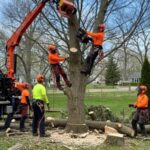
Residential and commercial tree removal differ in scale, regulations, equipment needs, cost structure, and scheduling constraints. Residential jobs typically focus on single trees or small groups within a yard, where access and aesthetics matter most, while commercial projects often involve multiple trees, land clearing, or removals near public right-of-way that require traffic control and municipal coordination. Understanding these differences helps property owners and managers request the right services and anticipate permit, safety, and logistics requirements. The following list highlights the most actionable contrasts to help you evaluate a given job.
- Scale and scope: Residential removals usually involve one or a few trees in private yards; commercial removals can include dozens of trees across larger parcels or development sites.
- Equipment and logistics: Residential work often uses compact cranes or aerial lifts; commercial projects may require large cranes, haul-off trucks, and additional staging for debris.
- Regulatory oversight: Commercial removals commonly trigger environmental reviews, traffic permits, and public works coordination; residential removals usually involve simpler municipal checks.
- Scheduling and impact: Commercial projects prioritize minimizing business disruption and often work in staged windows; residential work emphasizes homeowner convenience and landscaping restoration.
These operational differences influence cost, timeline, and safety planning, which leads into the typical reasons each property type schedules removals and how that affects permit and equipment choices.
What Are Common Reasons for Residential Tree Removal in San Diego?
Homeowners commonly remove trees that pose a hazard to structures, show disease or deadwood, interfere with utilities, or obstruct planned construction and landscaping improvements. Trees with root systems damaging foundations, sidewalks, or irrigation systems often prompt removal rather than repeated repairs, especially when the tree’s health is compromised. Pest infestations and persistent decay are also frequent drivers because they increase risk of limb failure during San Diego storms. Recognizing these homeowner-focused reasons helps prioritize safety and maintenance measures before a full removal is necessary.
What Are Typical Commercial Tree Removal Needs in El Cajon?
Commercial removals often support land development, right-of-way safety, phased construction, and routine maintenance for HOAs and business complexes. Projects can include site clearing for new construction, removals to meet municipal visibility standards, or mitigation of liability near high-traffic public spaces. Commercial jobs require coordination with contractors, traffic control plans, and sometimes environmental mitigation to preserve protected species or comply with stormwater rules. Anticipating these commercial-specific demands is essential for accurate quotes and timely permit approvals.
How Much Does Tree Removal Cost for Residential and Commercial Properties in San Diego?
Costs for tree removal in San Diego vary by tree size, access, equipment needs, permit requirements, and disposal logistics; residential jobs tend to have straightforward pricing while commercial work includes mobilization and project management fees. Providing transparent price ranges and the main cost drivers helps property owners set budgets and know when to request a detailed, on-site estimate. Below is an EAV-style comparison to clarify typical ranges and the attributes that most influence final quotes for residential versus commercial scenarios.
| Property Type | Cost Drivers | Typical Range |
|---|---|---|
| Residential | Tree size (height, trunk diameter), backyard access, proximity to structures, simple permit needs | $300 – $1,800 per tree |
| Commercial | Number of trees, site mobilization, traffic control, engineered rigging, environmental compliance | $1,500 – $15,000+ per project |
| Stump Grinding (residential) | Stump diameter, depth required, access | $100 – $400 per stump |
This cost table illustrates how scale and logistics drive pricing and why an on-site assessment produces the most accurate estimate.
Major cost factors to consider include tree height and trunk diameter, proximity to structures and utilities, access constraints, permit and inspection fees, and debris disposal or wood recycling requirements. Residential jobs often fall at the lower end of the ranges when access is good and only basic equipment is needed, while commercial sites add costs for staging, traffic control, and environmental mitigation. For precise pricing tailored to your property and compliance needs, request a free estimate from a licensed provider who can account for local permit implications.
What Factors Influence Residential Tree Removal Costs?
Residential costs hinge on tree dimensions, backyard or side-yard access, and hazards near structures or lines. A small ornamental tree removed from an open yard costs far less than a multi-stem, mature eucalyptus adjacent to a house or power line. Access that requires removal through a fence, rooftop staging, or sidewalk protection increases labor and time, adding to the estimate. Understanding these factors helps homeowners decide whether pruning, selective removal, or full excavation is the appropriate solution for cost-effectiveness.
How Are Commercial Tree Removal Prices Determined?
Commercial pricing incorporates project mobilization, number of trees, engineered rigging, traffic control, and required municipal permits or environmental studies. Site logistics—such as lane closures, coordination with contractors, and restricted work hours—translate to higher labor and equipment costs. Large developments may be quoted as multi-phase contracts with per-tree or per-acre pricing and include contingency allowances for protected species or stormwater protection. Accurate commercial bids start with a comprehensive site assessment and permit review.
What Are the Permit Requirements for Tree Removal in El Cajon and San Diego?
Permits in El Cajon and San Diego County depend on tree species, location (private property versus public right-of-way), and whether the tree is designated as protected or a heritage specimen. Checking with city urban forestry or county planning departments is a necessary step because permit triggers and documentation differ by jurisdiction. A clear, localized permit workflow reduces delays and ensures compliance with municipal ordinances that protect certain species or street trees. The following table maps common permit scenarios and next steps for property owners and managers.
| Scenario | When Permit Is Needed | Typical Next Step |
|---|---|---|
| Residential private property | Protected species, large or heritage tree designations | Consult City of El Cajon Urban Forestry; submit application with arborist report |
| Commercial parcels | Development-related removals, environmental review triggers | Coordinate with planning department and public works; include mitigation plan |
| Public right-of-way / street trees | Any removal of street or park trees | Submit request to municipal public works or urban forestry division; arrange inspection |
Understanding the applicable authority and initial documentation requirement speeds approvals and avoids work stoppages during removal.
When assessing permit needs, gather basic documentation such as property maps, tree species and size, and an arborist assessment if available, then contact the relevant municipal division for confirmation. Professional arborists can prepare required reports and often submit permit applications on behalf of property owners, which shortens processing time and reduces the risk of incomplete submissions. This permitting foundation is essential before scheduling major removals or mobilizing heavy equipment.
When Do Residential Properties Need Tree Removal Permits?
Residential permits are commonly required for trees classified as heritage, within a public right-of-way, or belonging to protected species; local ordinances define thresholds by trunk diameter or species. Homeowners should check with the City of El Cajon or San Diego County planning resources to confirm whether a permit or arborist report is required before removal. When a permit is needed, the process typically involves documentation of the tree’s condition, photos, and an explanation of hazards or mitigation plans. A professional assessment helps ensure the application includes all necessary information to avoid delays.
What Are Commercial Tree Removal Regulations and Compliance Steps?
Commercial projects face layered compliance: municipal permits, possible environmental review, and coordination with public works for traffic control or utility notifications. Developers and property managers should expect to submit detailed site plans, arborist reports, and sometimes mitigation or replacement plans for removed trees. Timing matters: permit review cycles affect project schedules, so integrate removal approvals into the overall construction timeline. Using a licensed arborist who can liaise with authorities reduces administrative burden and aligns removal plans with regulatory expectations.
When Should You Call for Emergency Tree Removal Services in San Diego?
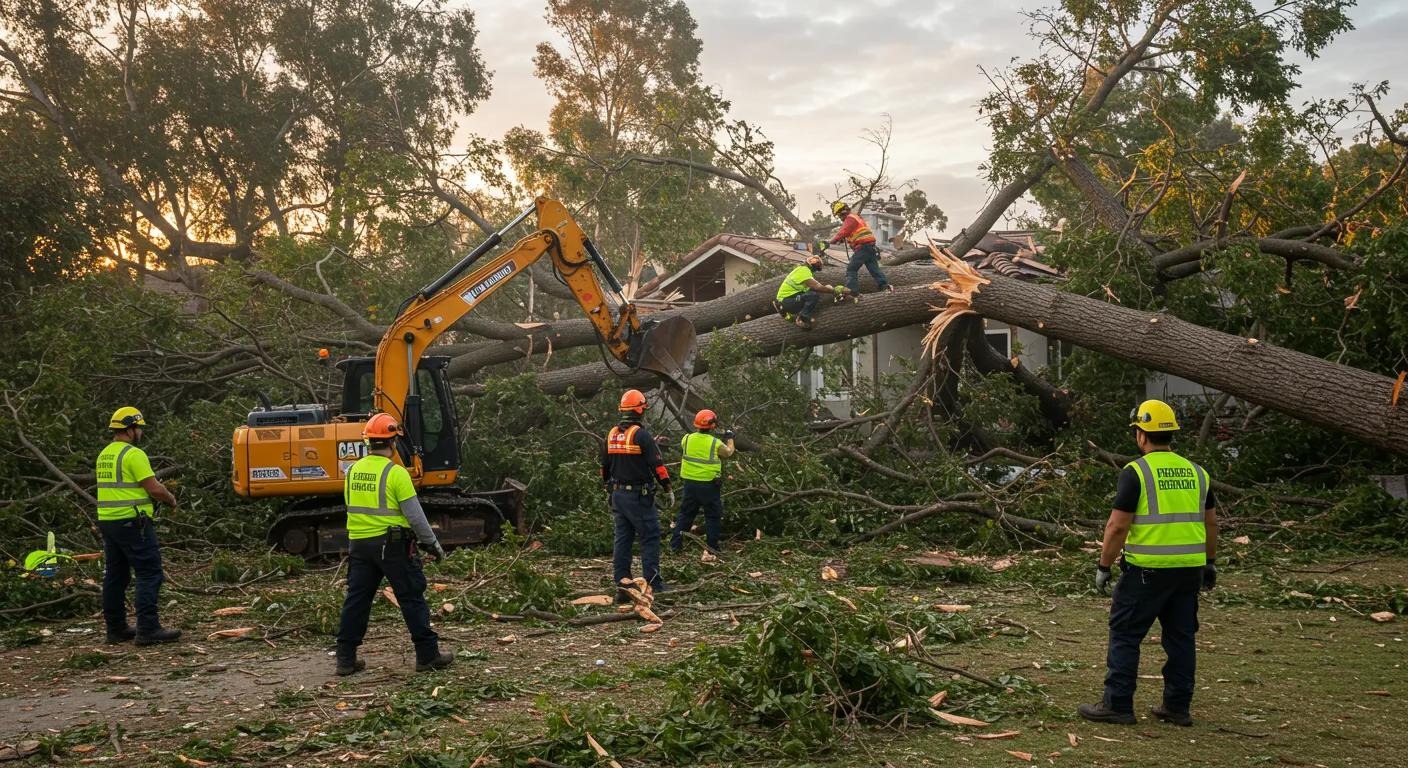
Emergency tree removal is necessary when a tree presents an immediate threat to life, property, or critical infrastructure; prompt professional intervention secures the site and prevents escalation. Emergency scenarios include trees or large limbs fallen on structures, trees leaning on power lines, or obstructions blocking roads and access points. This section offers a quick triage table and a yes/no style checklist to help property owners decide when to call a licensed emergency crew, and explains typical response steps taken by emergency teams.
- A tree or limb is actively resting on or through a structure or vehicle.
- A tree is leaning heavily toward occupied buildings or public areas and shows signs of imminent failure.
- Large branches have fallen and block driveways, roads, or critical access points.
- Trees are entangled with power lines creating an immediate electrical hazard.
If any of these conditions apply, prioritize safety—keep people clear, contact emergency services if there are downed live lines, and then contact a licensed emergency tree service for stabilization and removal.
Below is a triage EAV table summarizing typical emergency situations and recommended response times:
| Situation Type | Immediate Risk | Recommended Action |
|---|---|---|
| Tree on structure | High (collapse, injury) | Evacuate, stabilize, contact emergency tree service immediately |
| Tree on vehicle | Moderate-high (hazard to occupants) | Ensure no one is trapped, secure area, request immediate removal |
| Tree near power lines | Very high (electrocution/fire) | Do not approach; notify utility and contact licensed crew for safe mitigation |
| Road obstruction | High (public safety, traffic) | Arrange rapid removal and traffic control to restore access |
This triage guidance helps owners and managers prioritize safety actions and engage a licensed, insured emergency crew that can stabilize and remove hazards quickly.
Emergency response by professional crews typically begins with remote triage (photo or phone assessment), followed by on-site stabilization, safe rigging, and debris removal coordinated with utility or public safety agencies when applicable. Crews focus on minimizing risk first, then proceed to full removal and cleanup, with documentation helpful for insurance or municipal reporting. For emergency tree services in San Diego, call 619-257-2458 or email to request an urgent assessment and to arrange immediate stabilization and removal.
What Situations Require 24/7 Emergency Tree Removal?
Situations that require 24/7 emergency response include trees that have fallen across roadways or driveways, trees leaning dangerously against occupied structures, and large limbs entangled with power lines. These conditions pose immediate threats to public safety and property integrity and should be treated as urgent. After ensuring human safety, property owners should prevent access to the hazard area and arrange for a licensed crew to assess structural stability and removal options. Rapid intervention reduces secondary damages such as water intrusion or further collapse.
How Does Pedro’s Tree Service Respond to Emergency Tree Removal Requests?
Pedro’s Tree Service follows a triage-first protocol: remote assessment to determine urgency, immediate stabilization as required, and then safe removal with debris haul-off and site protection. Crews prioritize safety and coordination with utility providers or municipal agencies when downed lines or public right-of-way issues are involved. The emergency workflow emphasizes minimizing downtime for businesses and restoring safe access for residents, followed by documentation for insurance claims or municipal records. To request emergency assistance, contact 619-257-2458 or pedrostreeservice751@gmail.com for rapid evaluation and service scheduling.
Why Is Professional Stump Grinding Important After Tree Removal?
After a tree is removed, professional stump grinding eliminates trip hazards, reduces pest and fungal risk, and prepares the site for replanting or construction. Removing the visible stump improves aesthetics and lawn usability while grinding to an appropriate depth prevents suckering and regrowth that can complicate landscaping. For commercial sites, thorough stump removal accelerates site preparation and reduces liabilities associated with uneven surfaces in parking lots or pedestrian corridors. The following sections explain benefits and the typical equipment and process used by professional crews.
Stump grinding delivers several tangible benefits for both homeowners and property managers:
- Safety and usability: Grinding removes tripping hazards and restores usable surface area.
- Pest and disease reduction: Eliminating old wood reduces insect harborage and fungal growth.
- Aesthetic and property value: Clean sites support landscaping plans and visual appeal.
- Faster site readiness: For construction or replanting, grinding accelerates next-phase work.
These core advantages explain why stump grinding is often included in removal contracts and why professional equipment matters for effective results.
What Are the Benefits of Stump Grinding for Residential and Commercial Properties?
Grinding stumps improves safety by removing tripping hazards and reclaiming yard or paved areas for practical use, which is particularly valuable for families and businesses with pedestrian traffic. It also reduces habitats for wood-boring pests and fungal pathogens that can threaten nearby plantings or structures. Aesthetically, a ground stump allows for clean lawn restoration or new plantings, contributing to curb appeal and usable landscape design. For commercial properties, these benefits translate into reduced liability and faster turnaround for redevelopment or maintenance contracts.
How Is Stump Grinding Performed Using Specialized Equipment?
Professional crews select stump grinders by access, stump size, and project scale—compact grinders for tight yards, larger tracked units for commercial sites and deep grinding. The process involves cutting the stump below grade with rotating blades, removing grindings, and optionally filling the hole with topsoil to grade. Safety measures include stabilizing equipment, protecting surrounding vegetation, and using dust control where necessary. Efficient stump grinding combined with proper disposal prepares the site for immediate restoration or construction with minimal disruption.
- Contact Pedro’s TreeService for a free estimate: Call 619-257-2458 to schedule an on-site assessment.
- Ask about permit assistance: Licensed arborists can help identify permit triggers and prepare documentation.
- Request emergency response if needed: For urgent hazards, reach out for immediate triage and stabilization.
Frequently Asked Questions
1. What should I consider before removing a tree on my property?
Before removing a tree, consider its health, location, and potential risks. Assess whether the tree poses a hazard to structures, power lines, or other trees. Additionally, evaluate the tree’s condition—if it’s diseased or dead, removal may be necessary. Check local regulations regarding tree removal permits, especially for protected species. Consulting with a licensed arborist can provide insights into the best course of action, ensuring safety and compliance with municipal guidelines.
2. How can I prepare for a tree removal service?
Preparing for a tree removal service involves several steps. First, clear the area around the tree of any obstacles, such as furniture, vehicles, or decorations. Inform neighbors about the scheduled removal, especially if it may cause noise or disruption. Ensure that pets and children are kept indoors for safety. Lastly, have any necessary permits ready, and discuss the removal plan with the arborist to understand the process and timeline.
3. What happens to the tree after it is removed?
After a tree is removed, the stump can be ground down or left in place, depending on your preference. Stump grinding is often recommended as it eliminates tripping hazards and prepares the area for replanting or landscaping. The wood from the tree can be recycled or disposed of according to local regulations. It’s essential to discuss with your tree removal service what will happen to the tree and stump to ensure it aligns with your property plans.
4. Are there any environmental considerations for tree removal?
Yes, environmental considerations are crucial when removing trees. Certain species may be protected by local laws, requiring permits for removal. Additionally, trees play a vital role in local ecosystems, providing habitat for wildlife and contributing to air quality. Before removal, consider the ecological impact and explore alternatives, such as pruning or relocating the tree. Consulting with an arborist can help assess the environmental implications and ensure compliance with regulations.
5. How can I ensure the safety of my property during tree removal?
To ensure safety during tree removal, hire a licensed and insured tree service with trained arborists. They will follow safety protocols and use appropriate equipment to minimize risks. Clear the area of people and pets, and communicate with the crew about any nearby structures or hazards. Additionally, ensure that the service has a plan for debris removal and site restoration to prevent damage to your property during and after the process.
6. What are the signs that a tree needs to be removed?
Signs that a tree may need to be removed include visible decay, dead branches, or significant leaning. If the tree has extensive damage from storms or pests, it may pose a risk to safety. Additionally, if roots are damaging foundations or sidewalks, removal might be necessary. Regular inspections by a licensed arborist can help identify these issues early, allowing for timely intervention and safer property management.
7. How does tree removal impact property value?
Tree removal can impact property value both positively and negatively. While removing a hazardous or diseased tree can enhance safety and aesthetics, excessive removal of healthy trees may detract from curb appeal and reduce shade, which can be valuable in hot climates. It’s essential to balance tree management with landscaping goals. Consulting with a real estate professional or arborist can provide insights into how tree removal may affect your specific property value.
Conclusion
Choosing professional tree removal services ensures safety, compliance, and efficiency for both residential and commercial properties in El Cajon and San Diego. Understanding the nuances of tree removal, including permit requirements and cost factors, empowers property owners to make informed decisions. For a seamless experience, consider reaching out to licensed arborists who can provide expert assessments and support throughout the process. Contact Us today to schedule your free estimate and take the first step towards a safer, more beautiful property.