Timing matters for tree maintenance. The right schedule helps your trees live longer, stay safer, and look better. This guide walks you through when to plan common tree care tasks, with seasonal tips that reduce disease risk, encourage strong growth, and protect your property. Many homeowners aren’t sure when to trim or fertilize, which can lead to unnecessary damage and expense — we’ll clear up the confusion and explain how tree species and the season affect timing. You’ll also find practical, season-by-season advice and how professional help from Pedro’s Tree Service can keep your schedule on track.
What Are the Key Benefits of Scheduling Tree Maintenance at the Right Time?
Scheduling tree maintenance at the right moment protects tree health, improves safety around your property, and keeps your landscape looking its best. Doing the right work at the right time reduces stress on the tree and prevents small problems from becoming big ones.
How Does Proper Timing Improve Tree Health and Safety?
When maintenance is timed well, trees are less likely to pick up pests and diseases and more likely to respond well to pruning. For example, pruning during dormancy lets cuts heal with less stress and lowers the chance of disease spread. Timely care also prevents weak or overgrown branches from becoming hazards in storms.
What Risks Arise from Improper Tree Maintenance Timing?
Doing the wrong work at the wrong time can invite pests, spread disease, or cause poor regrowth. Pruning at an inappropriate season can leave trees vulnerable or produce ugly growth patterns that reduce curb appeal — and lead to higher costs down the road.
When Should You Schedule Tree Maintenance by Season in El Cajon and San Diego?
Local climate matters. In El Cajon and greater San Diego, mild winters and hot, dry summers shape the best times for different jobs. Each season offers opportunities to protect and strengthen your trees if you know what to look for.
What Are the Best Tree Care Activities for Winter and Their Benefits?
Winter is prime time for dormant pruning. Removing dead, damaged, or crossing branches now helps trees focus energy on healthy spring growth and reduces disease risk during the growing season. Winter is also a good time for a close inspection to spot structural issues before new leaves hide them.
How to Optimize Tree Maintenance During Spring Growth Period?
Spring is growth season. Fertilize as new shoots appear and keep an eye out for insects or diseases that can spread quickly. A balanced fertilizer and early pest monitoring give trees the boost they need to set a strong foundation for the year.
How Does Tree Type Influence the Optimal Time for Pruning and Trimming?
Species-specific care matters. Different trees follow different growth cycles, so pruning and trimming windows shift by type. Knowing the basics for deciduous, evergreen, fruit, and palm trees helps you avoid common mistakes.
When Is the Best Time to Prune Deciduous and Evergreen Trees?
Deciduous trees usually do best with pruning in late winter or very early spring, before buds break. Evergreens often respond well to pruning in late winter to early spring too, though light touch-ups can happen in late spring or early summer — done carefully to avoid stressing the tree or attracting pests.
What Are the Seasonal Maintenance Needs for Fruit and Palm Trees?
Fruit trees are typically pruned in late winter to early spring so they can direct energy to fruiting in the coming season; fertilize as growth resumes. Palms need regular removal of dead fronds and flower stalks year-round, with more major trimming scheduled for late winter or early spring to avoid heat stress.
What Are Essential Tree Maintenance Tips for Each Season?
Follow these simple seasonal tasks to keep trees strong year-round:
- Winter: Dormant pruning to remove dead or diseased limbs and to check structure.
- Spring: Fertilize and monitor for pests as trees leaf out.
- Summer: Deep-water to reduce heat stress and address pest outbreaks promptly.
- Fall: Mulch and hydrate to prepare roots for cooler months and conserve moisture.
Which Winter Tree Maintenance Practices Prevent Disease and Promote Dormancy?
Mulch around the base to keep soil moisture steady and temperature stable, and inspect trunks and branches for disease signs. Early detection and cleanup during dormancy prevent problems from flaring when the growing season starts.
How to Manage Summer Tree Stress and Pest Control Effectively?
Summer demands attention to watering and pests. Use slow, deep watering to encourage deep roots and reduce surface evaporation. Pair that with integrated pest management (IPM) — monitor regularly and use targeted, low-impact controls that protect beneficial insects and the surrounding landscape.
How Can Professional Tree Services Enhance Your Seasonal Tree Care Schedule?
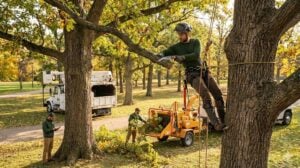
A local pro can tune your schedule to tree species, site conditions, and weather patterns. Hiring trained arborists means safer work, better pruning cuts, and a care plan tailored to your trees’ life stages.
What Expertise Do Certified Arborists Bring to Seasonal Tree Maintenance?
Certified arborists understand tree biology, disease signs, and proper pruning techniques. They spot structural risks early and recommend treatments that preserve the tree’s health and your property’s safety.
How Do Free Estimates and Local Knowledge Benefit Your Tree Care Planning?
Working with a local company like Pedro’s Tree Service gives you insight into what grows well in our area and when to act. Free estimates make it easy to plan work and budget for seasonal needs without surprises.
| Season | Recommended Activities | Benefits |
|---|---|---|
| Winter | Dormant pruning, inspection | Reduces disease risk, improves spring growth |
| Spring | Fertilization, pest monitoring | Supports new growth, prevents infestations |
| Summer | Adequate watering, pest control | Alleviates heat stress, protects tree health |
| Fall | Mulching, hydration | Prepares trees for winter dormancy |
This quick reference highlights the most important seasonal actions to help your trees thrive and avoid common problems.
In short, timing your tree care matters. Follow seasonal guidelines, consider each tree’s needs, and bring in professionals when the job is complex or risky. Pedro’s Tree Service can help you build a seasonal plan that keeps trees healthy, safe, and beautiful year after year.
Frequently Asked Questions
What are the signs that my tree needs maintenance?
Look for yellowing or dropping leaves, dead or hanging branches, visible fungal growth, cracks in the trunk, or an uptick in pests. Regular checks make it easier to catch problems early — if you’re unsure, a certified arborist can give a clear assessment and recommend next steps.
How can I prepare my trees for extreme weather conditions?
Keep trees well-maintained all year: proper watering, timely pruning, and good mulching. Before storms, remove dead wood and secure or remove weak limbs. A pro can suggest species-specific and site-specific measures to reduce wind or drought damage.
What is the best way to water trees during the summer?
Deep, infrequent watering encourages strong root systems. Aim for slow application directly to the root zone — roughly 10–15 gallons per inch of trunk diameter once a week, adjusted for rainfall. Soaker hoses or drip irrigation work best to limit evaporation.
How often should I fertilize my trees?
Most trees benefit from an annual fertilizer application in early spring, but needs vary by species and soil condition. A soil test or arborist recommendation can guide timing and amounts to avoid over-fertilizing.
Can I perform tree maintenance myself, or should I hire a professional?
Simple tasks like watering and mulching are homeowner-friendly. For pruning larger branches, disease treatment, or removals, hire a professional. Certified arborists have the training and equipment to do the job safely and correctly.
What tools do I need for basic tree maintenance?
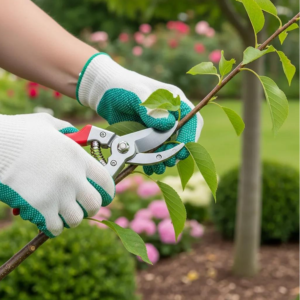
For light work, pruning shears, loppers, and a handsaw are essential. A rake and shovel help with cleanup and mulching. Keep tools clean and sharp to make clean cuts that heal well — and always prioritize safety when tackling tree work.
Conclusion
Knowing when to schedule tree maintenance makes a big difference in tree health, safety, and curb appeal. Use seasonal guidelines, respect each species’ needs, and call in professionals for complex or risky jobs. If you want a personalized plan for your trees, Pedro’s Tree Service is here to help — reach out to explore our tree maintenance options and keep your landscape thriving.